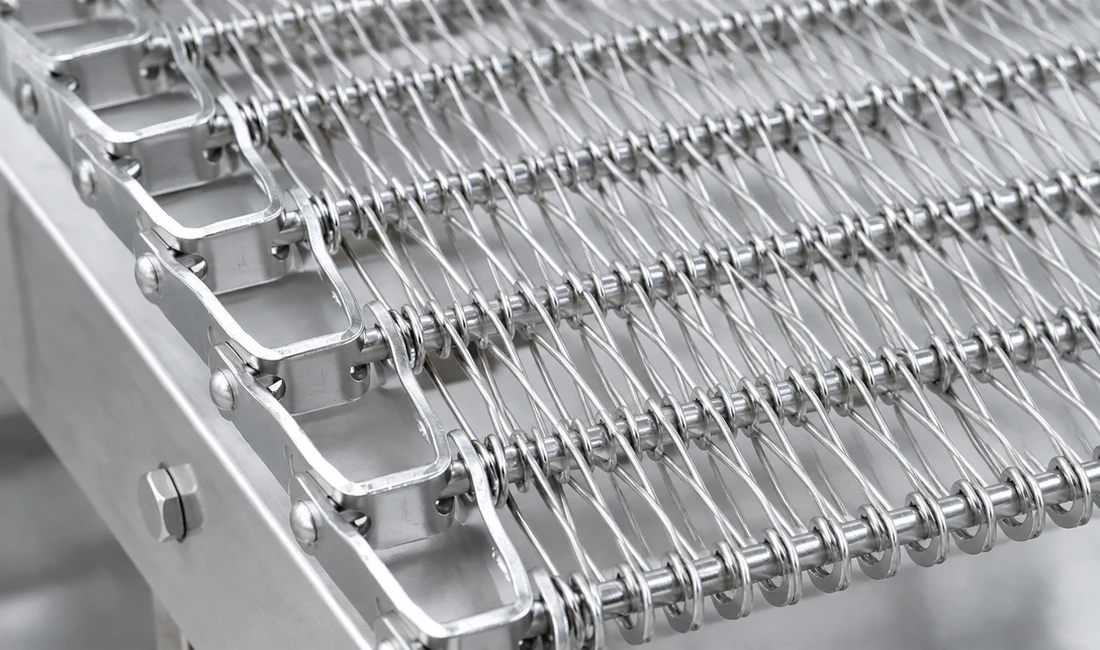
Stainless Steel Mesh Belts for Spiral Freezers: Selection Guide
A stainless steel mesh belt for a spiral freezer must support the food, turn smoothly, and fit the drive system. A belt that matches the

Artículos prácticos de ingeniería sobre la congelación, la cocción, la refrigeración y el almacenamiento en frío de alimentos a nivel industrial, de Square Technology.
A stainless steel mesh belt for a spiral freezer must support the food, turn smoothly, and fit the drive system. A belt that matches the
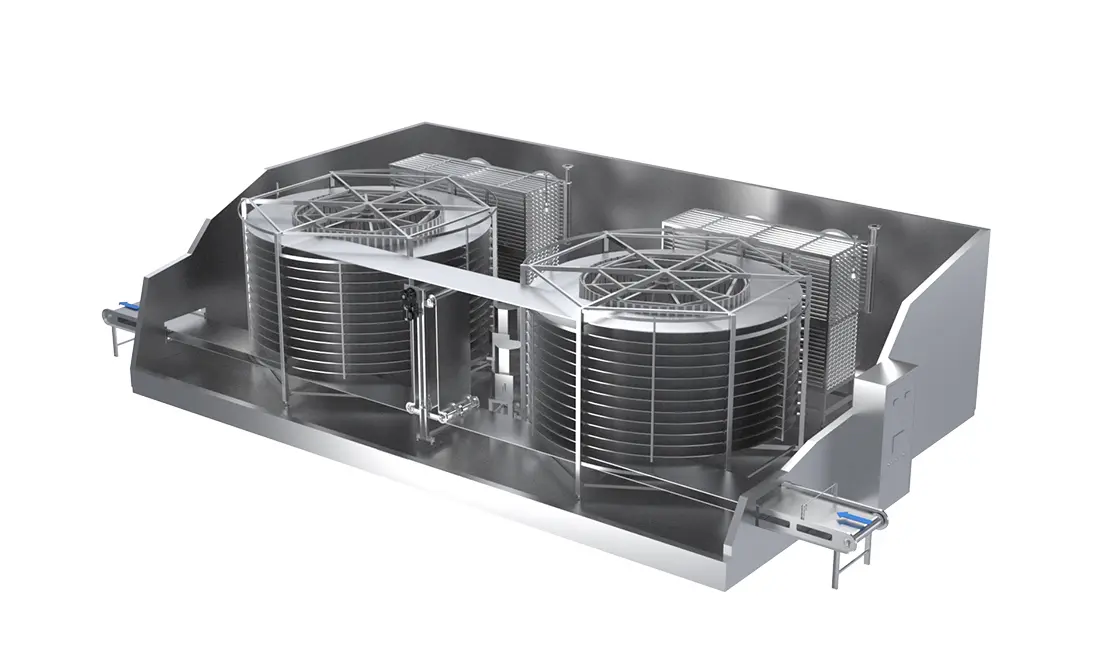
A spiral freezer can only perform as well as the design behind it. Two systems with the same stated capacity may deliver different results when
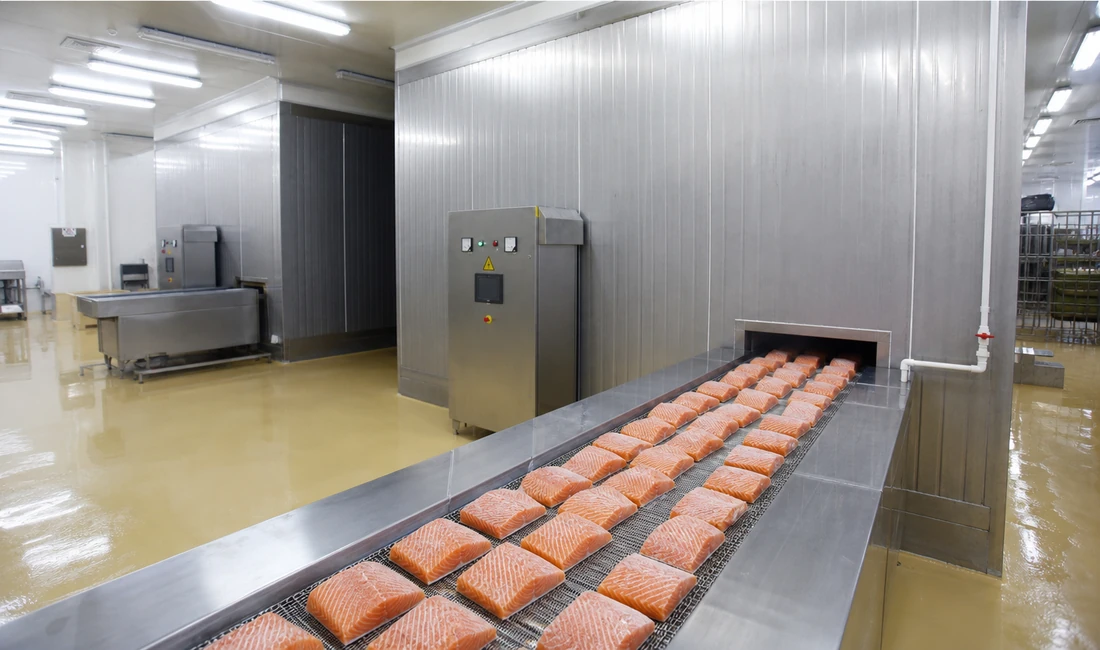
Product dehydration is a common source of yield loss in spiral freezing. It happens when moisture leaves an exposed product during the freezing process. Excess
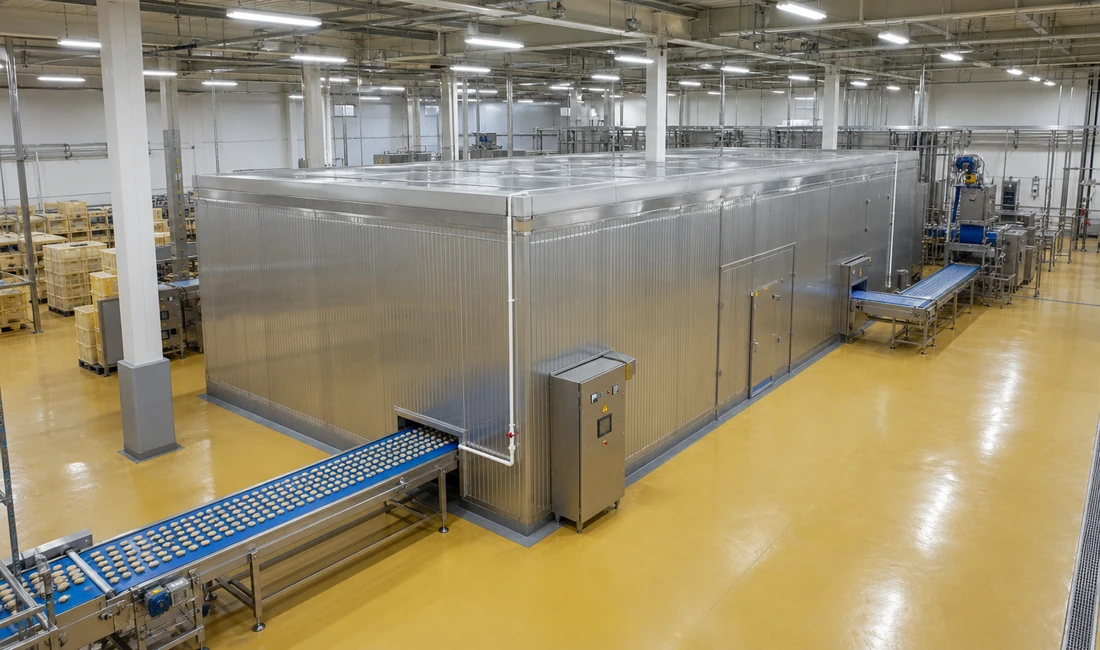
A spiral freezer may have the right capacity and freezing time, yet still be difficult to install. In many projects, the problem is not the
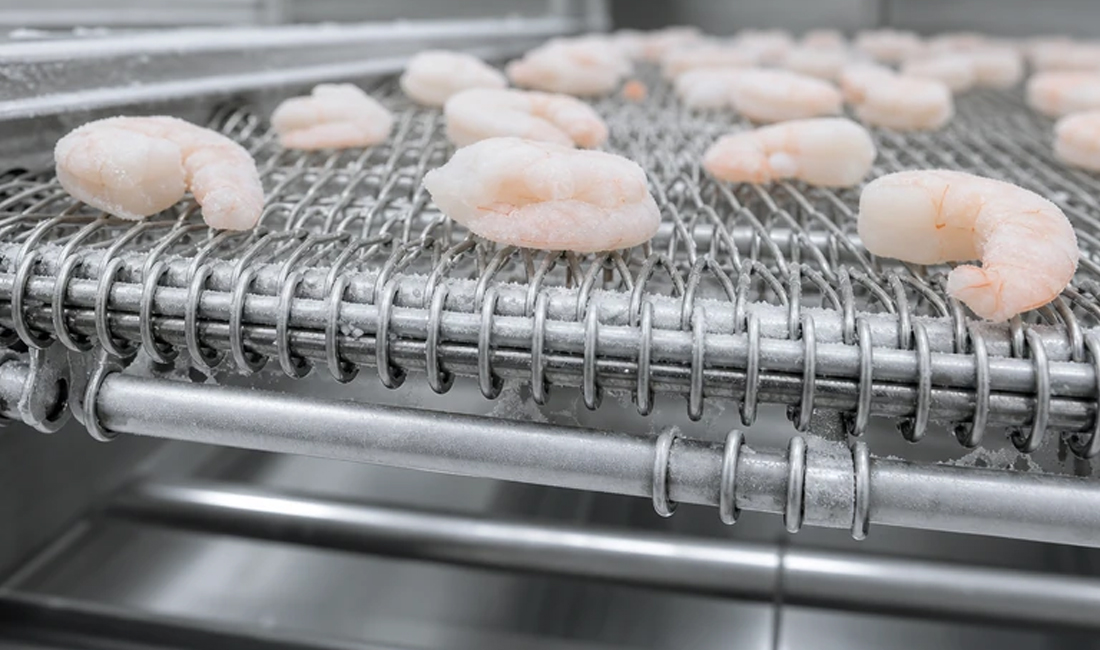
A lower set temperature does not always mean faster freezing. A higher fan speed does not always mean a better result. What matters most is
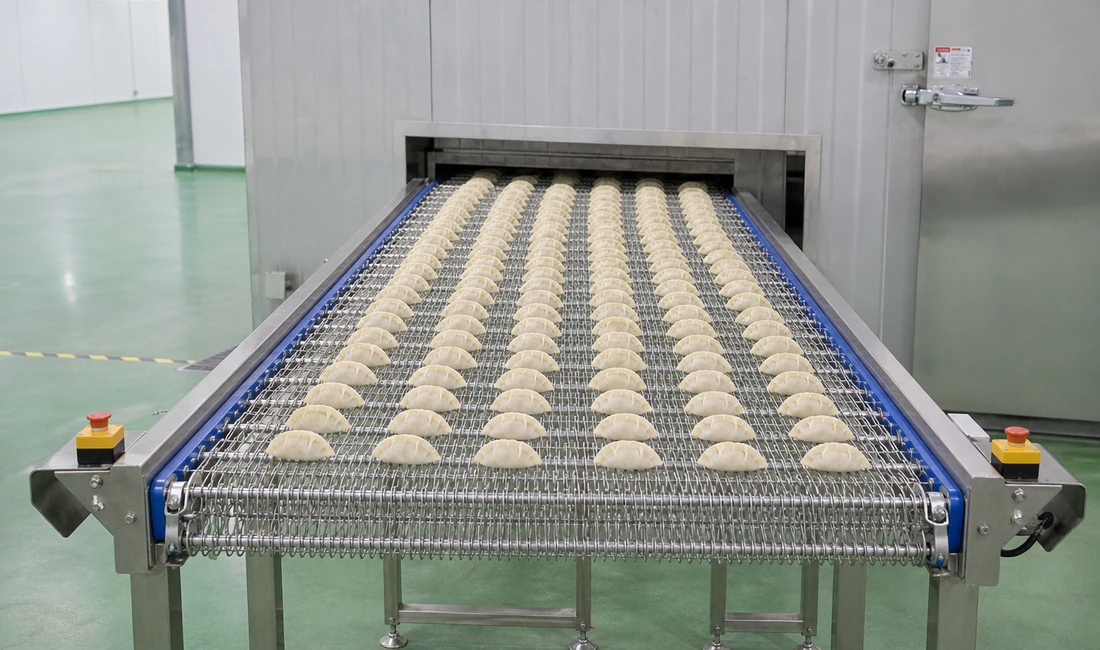
Planning a spiral freezer often starts with one number: the required output in kilograms per hour. That number matters, but it cannot set the freezer
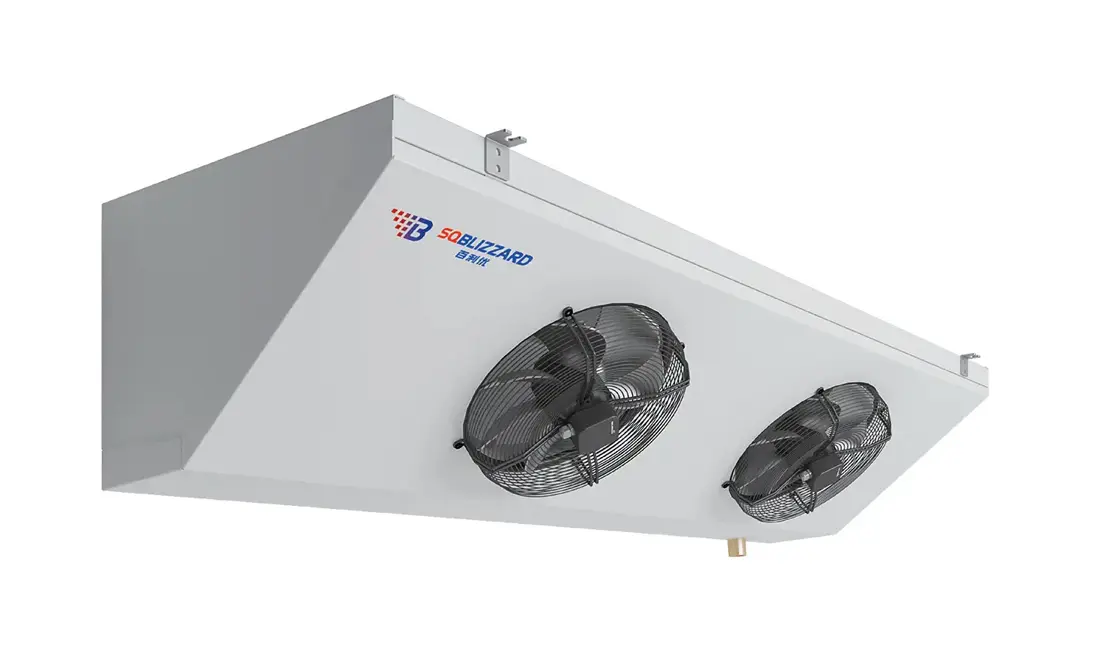
A spiral freezer evaporator removes heat from the air that circulates inside the freezer. It absorbs that heat through the refrigerant or the low-temperature fluid
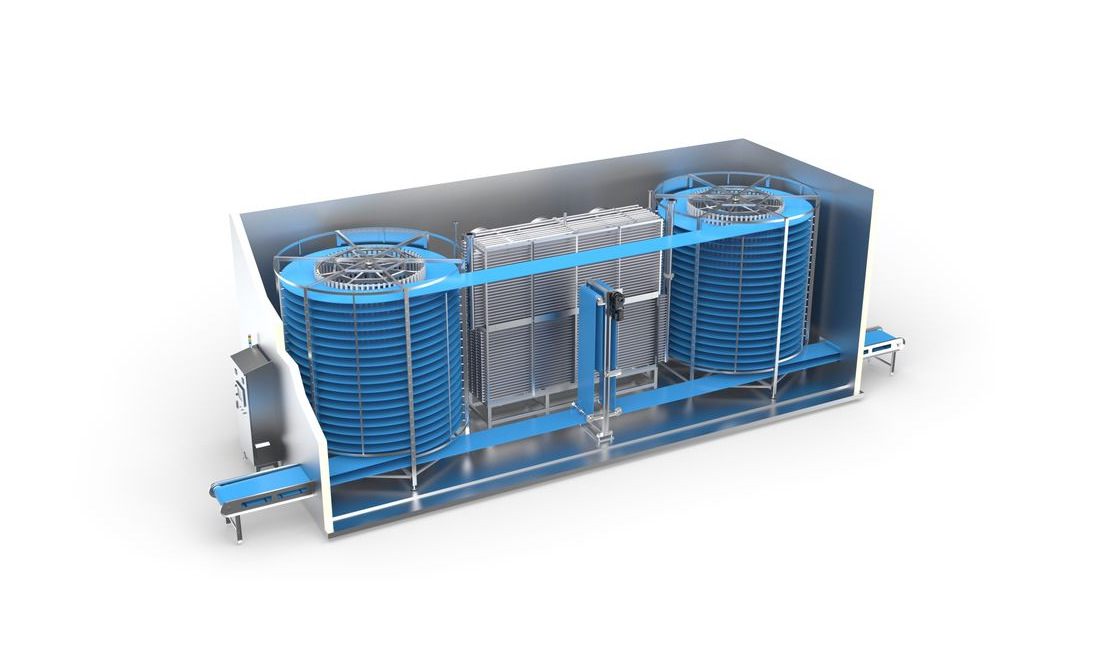
A spiral freezer is a long-term capital asset in a food plant, not a catalogue purchase. Buyers should not select one by brand name or
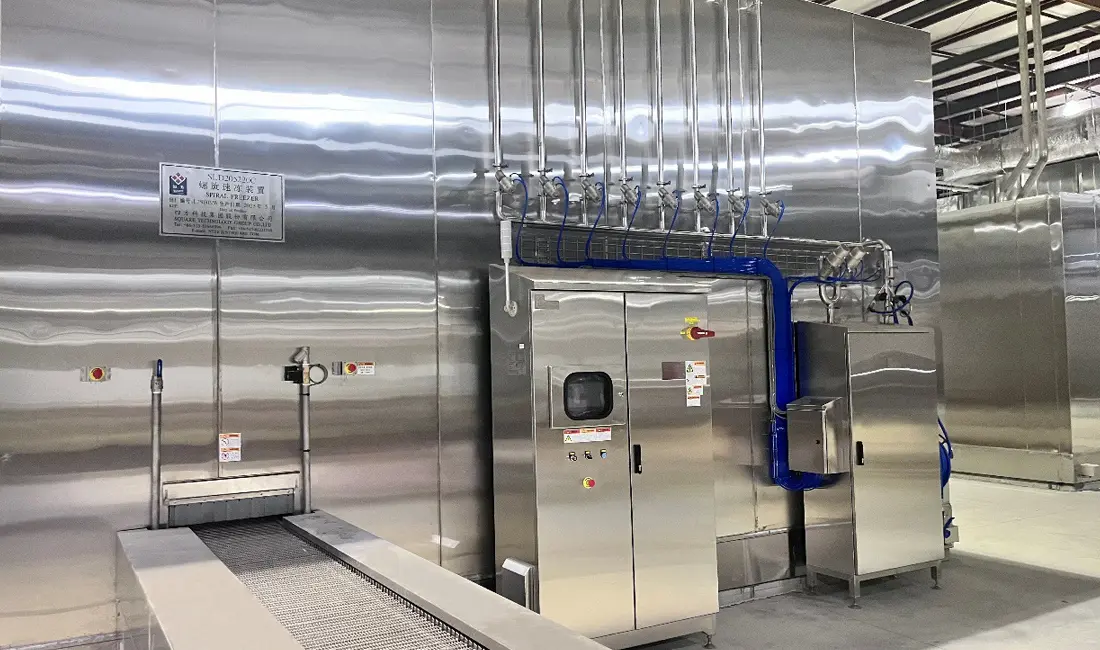
Los congeladores de túnel IQF funcionan a temperaturas entre −30 °C y −40 °C para congelar rápidamente los trozos individuales de alimentos, preservando su textura, color y valor nutricional.
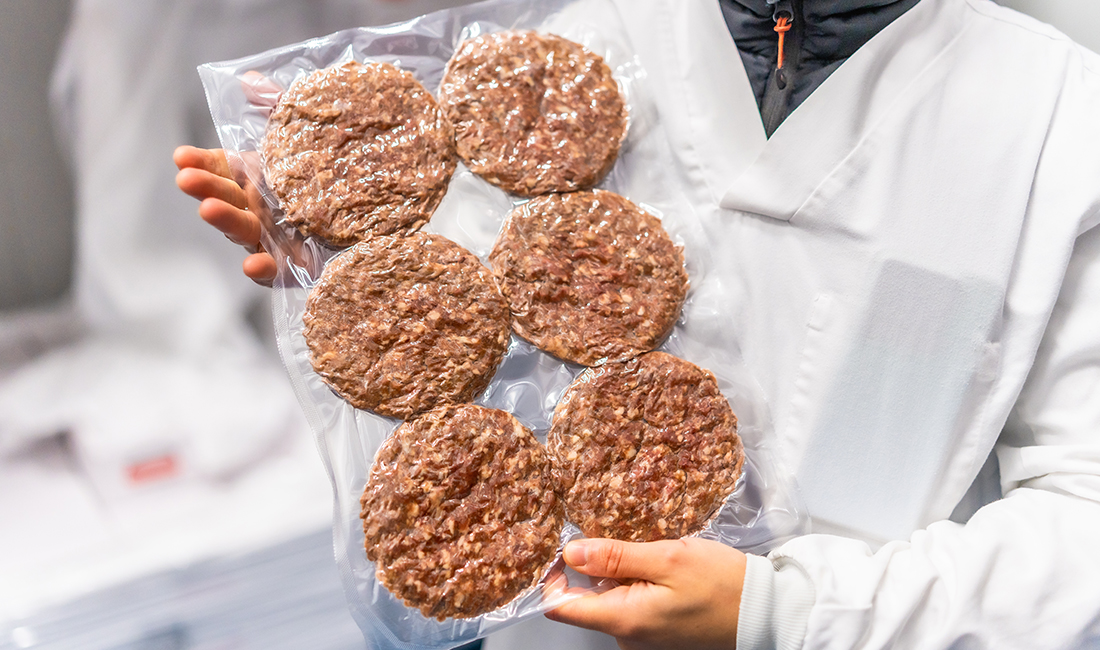
Sí — las hamburguesas de carne cruda se pueden congelar IQF sin pegajosidad. En un congelador IQF industrial, el aire de alta velocidad a -30 °C a -40 °C fija cada pieza.

La prevención de la pérdida de glaseado requiere un control cuidadoso en cada paso: una preparación adecuada antes de la congelación, una aplicación precisa de la capa de hielo, condiciones estables en la cadena de frío y verificaciones rutinarias. Una pérdida de tan solo…
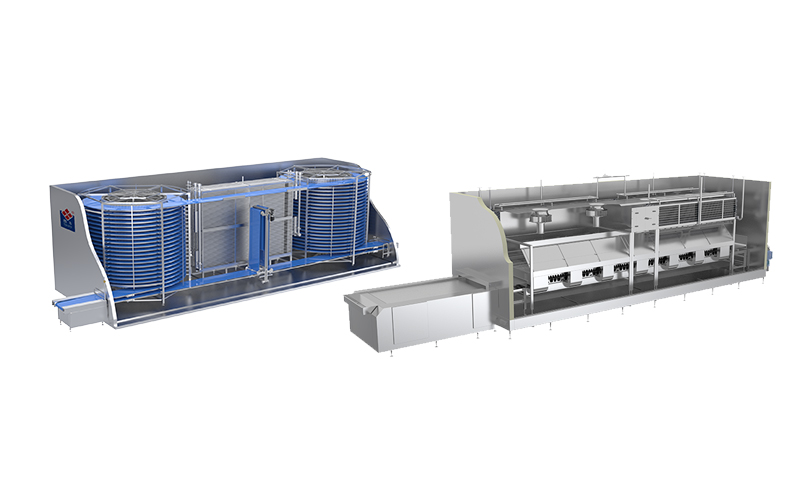
Los congeladores IQF en espiral destacan por su tamaño compacto y su cuidado manejo de los productos, mientras que los congeladores IQF de túnel ofrecen un funcionamiento más sencillo y un coste inicial menor para productos planos y uniformes
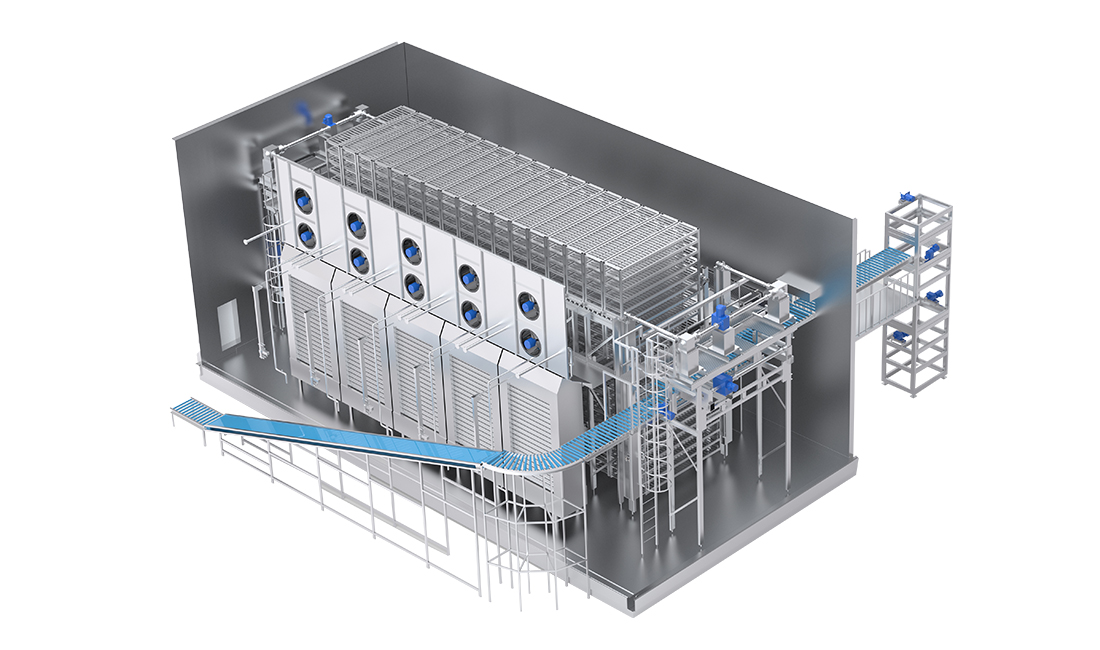
Un congelador IQF industrial cuesta entre 150.000 y 2.000.000 de dólares, y la mayoría de los sistemas industriales de gama media tienen un precio que oscila entre los 300.000 y los 800.000 dólares. El precio final depende del tipo de congelador.
Indíquenos el producto alimenticio y la capacidad deseada. Nuestros ingenieros le recomendarán el sistema más adecuado.