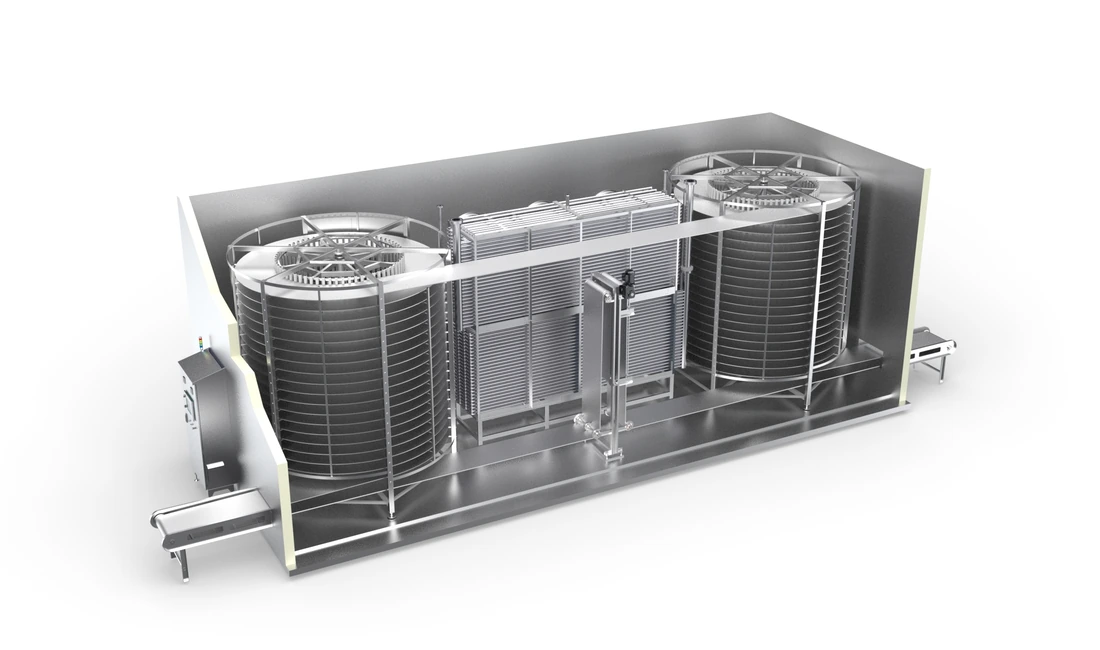
Spiral Freezer Belt Washer: How It Works and How to Choose the Right System
Cleaning a spiral freezer belt is more complex than rinsing a standard food conveyor. The belt follows a long path around the drum, passes through

Practical engineering articles on industrial food freezing, cooking, refrigeration, and cold storage from Square Technology.
Cleaning a spiral freezer belt is more complex than rinsing a standard food conveyor. The belt follows a long path around the drum, passes through
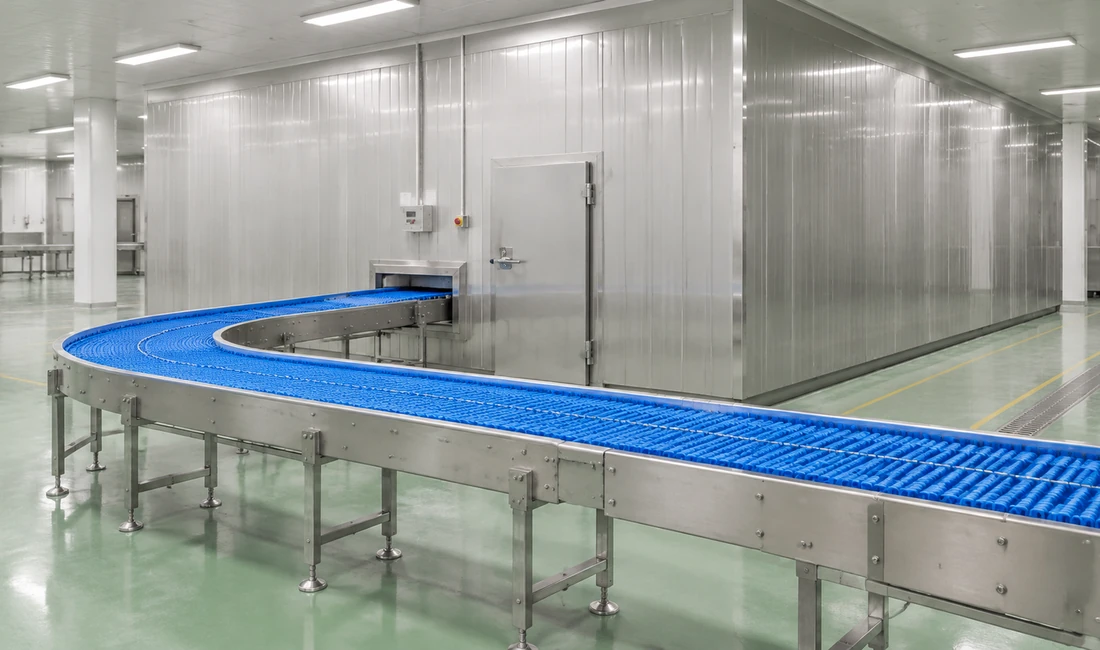
A modular plastic belt spiral freezer combines continuous freezing with a belt made from linked plastic modules. This design offers options for product support and
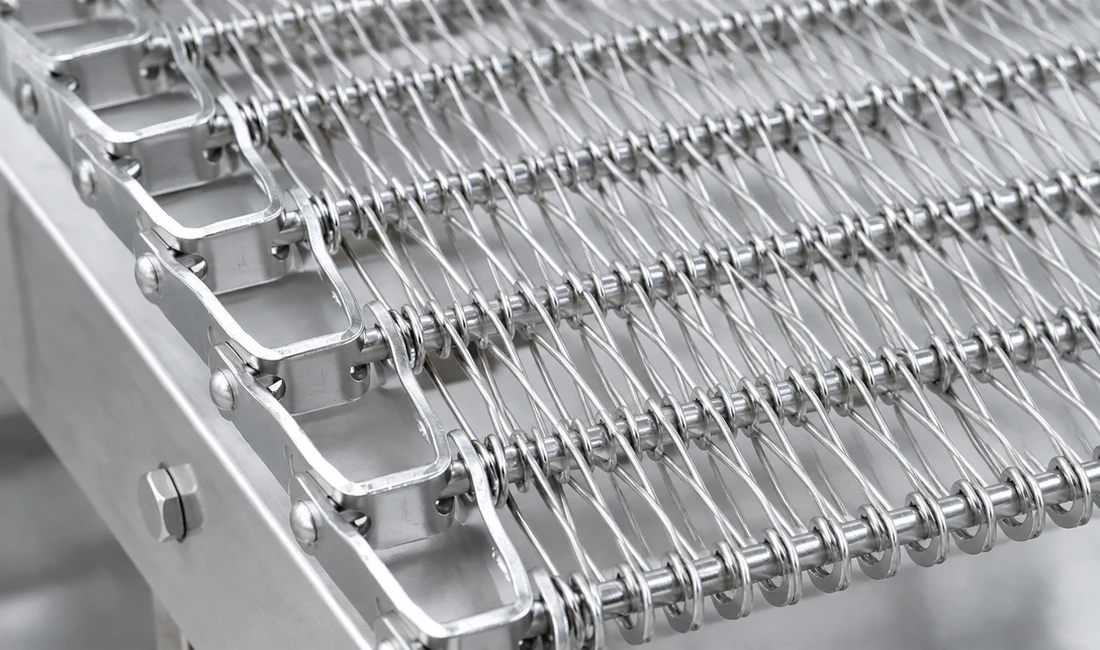
A stainless steel mesh belt for a spiral freezer must support the food, turn smoothly, and fit the drive system. A belt that matches the
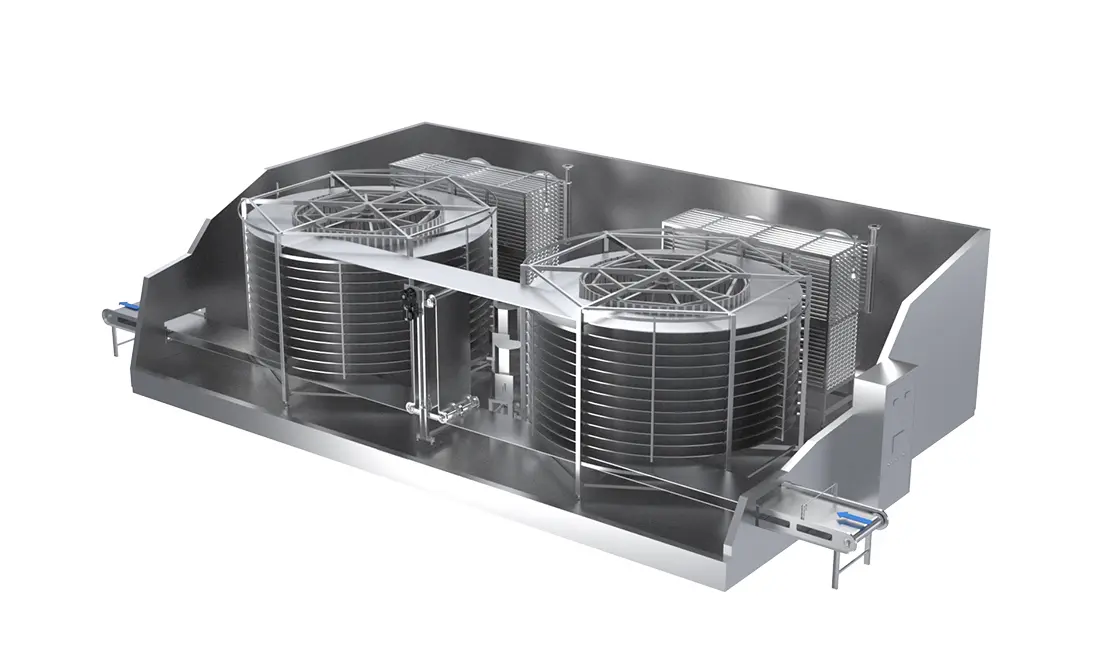
A spiral freezer can only perform as well as the design behind it. Two systems with the same stated capacity may deliver different results when
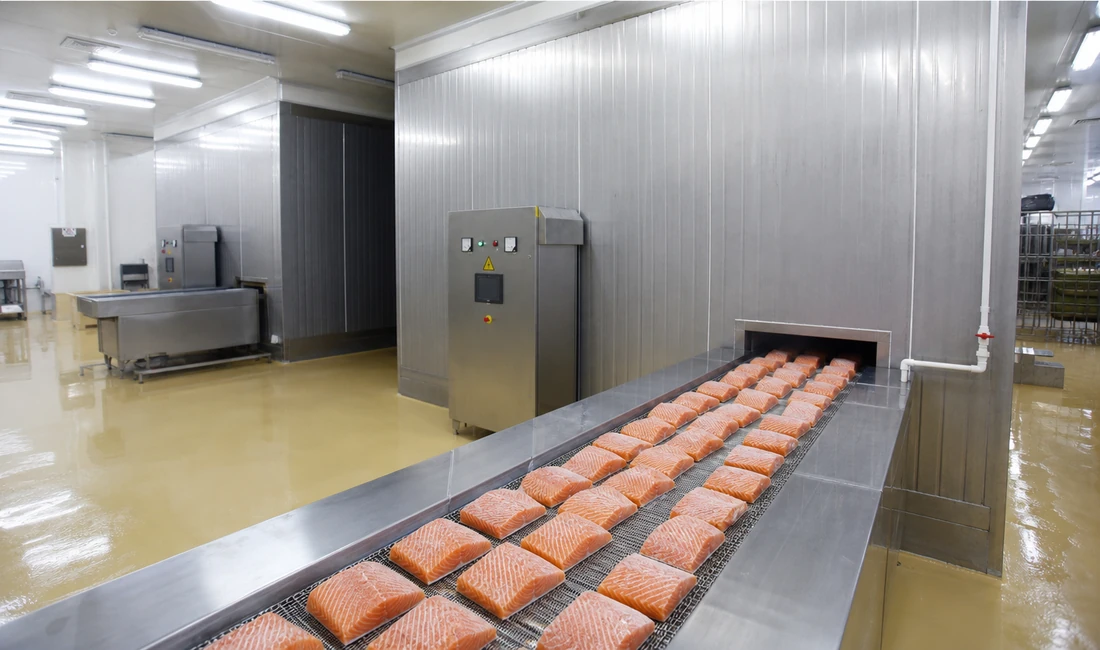
Product dehydration is a common source of yield loss in spiral freezing. It happens when moisture leaves an exposed product during the freezing process. Excess
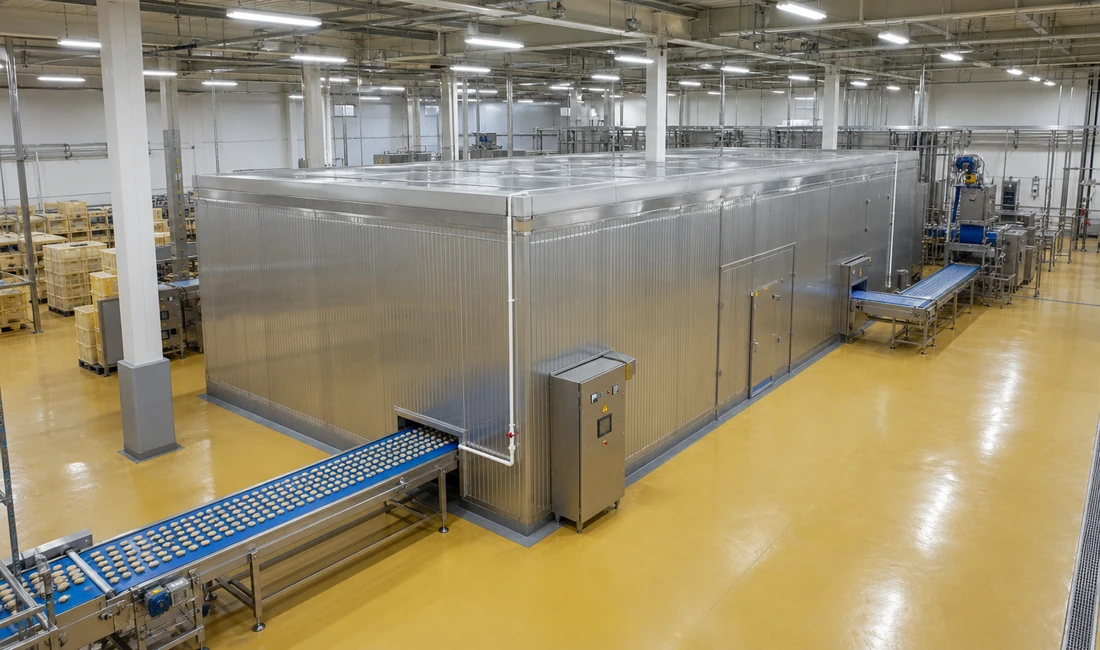
A spiral freezer may have the right capacity and freezing time, yet still be difficult to install. In many projects, the problem is not the
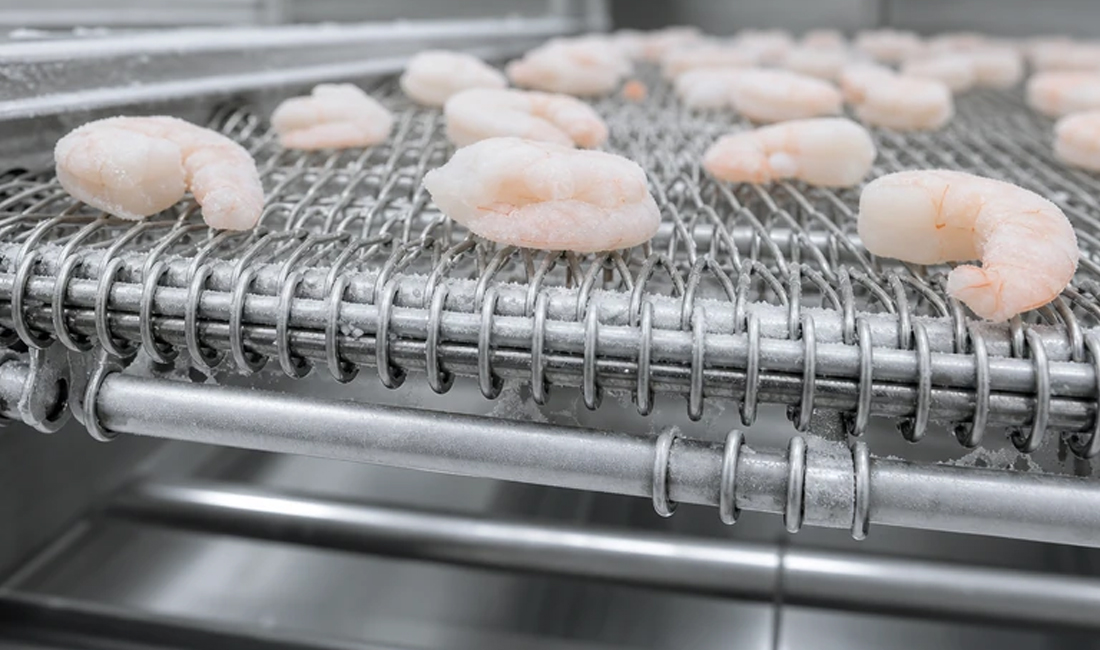
A lower set temperature does not always mean faster freezing. A higher fan speed does not always mean a better result. What matters most is
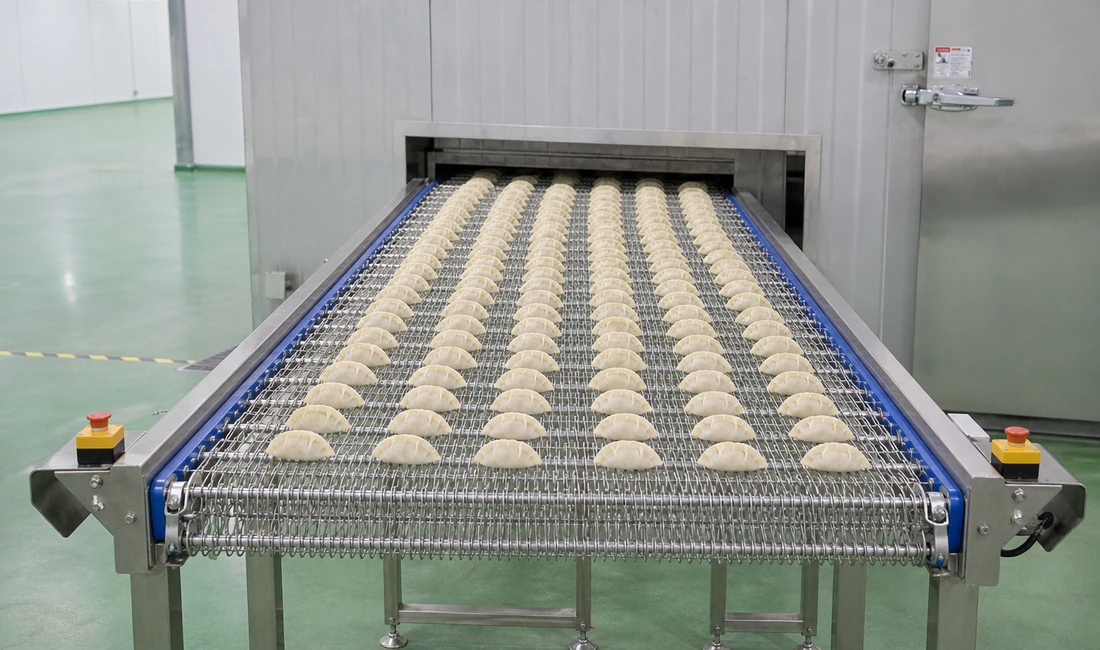
Planning a spiral freezer often starts with one number: the required output in kilograms per hour. That number matters, but it cannot set the freezer
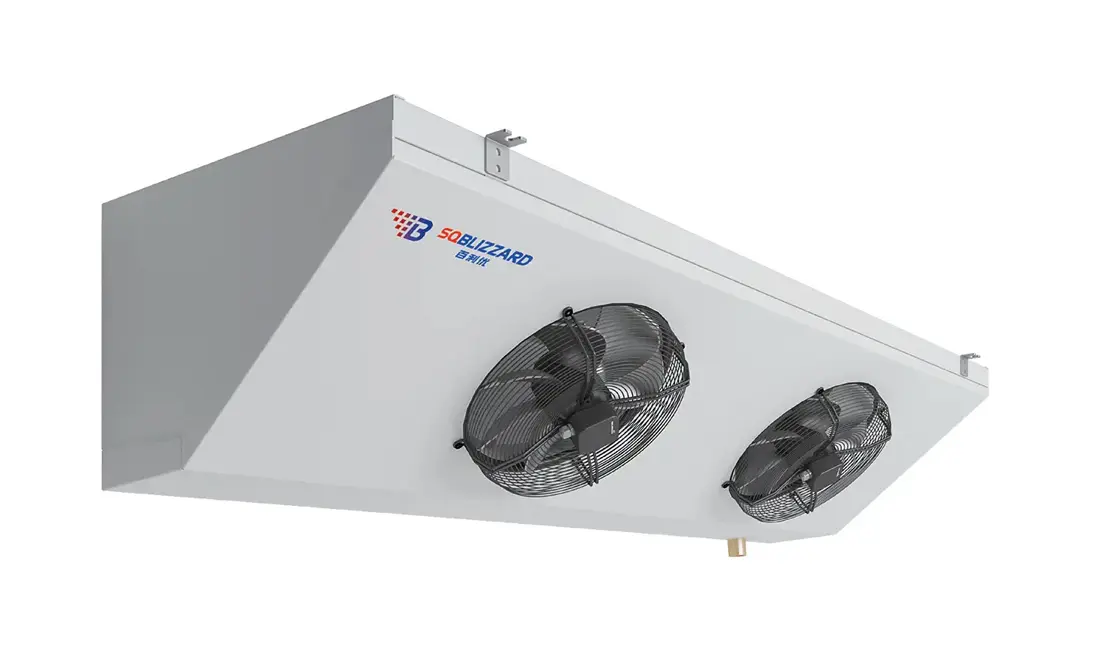
A spiral freezer evaporator removes heat from the air that circulates inside the freezer. It absorbs that heat through the refrigerant or the low-temperature fluid
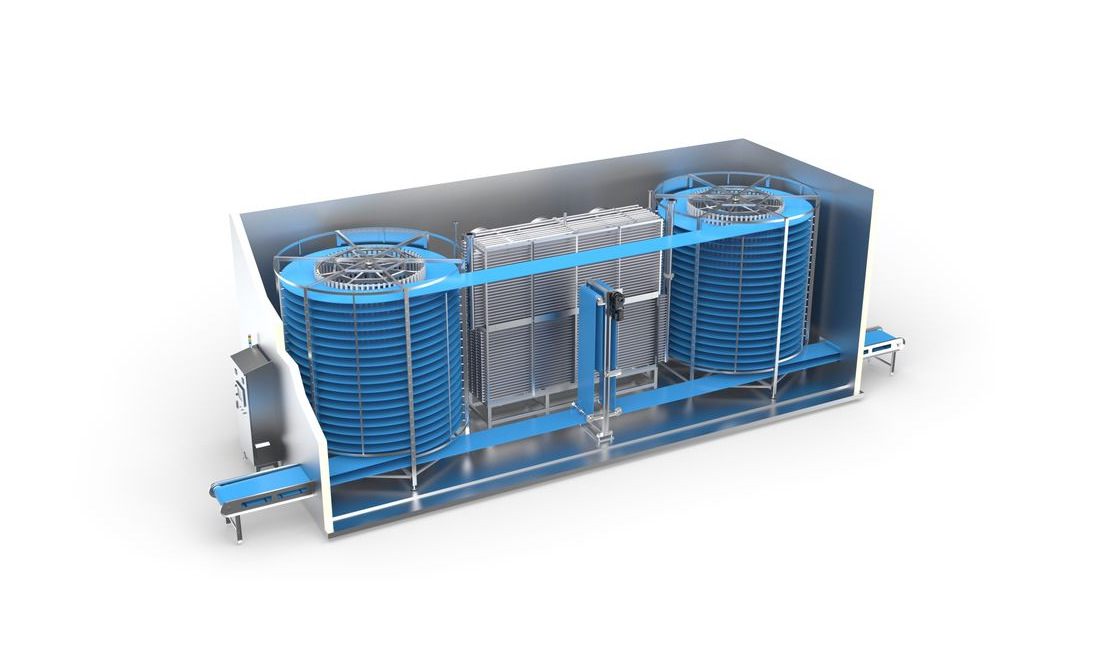
A spiral freezer is a long-term capital asset in a food plant, not a catalogue purchase. Buyers should not select one by brand name or
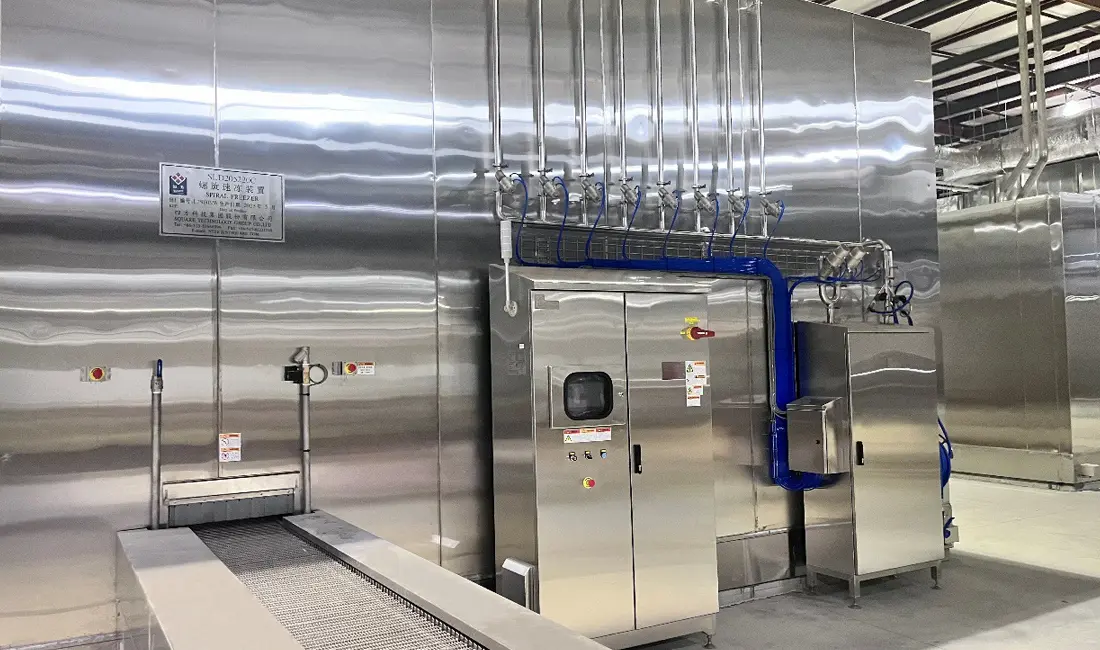
IQF tunnel freezers operate at temperatures between −30 °C and −40 °C to freeze individual food pieces quickly while preserving texture, color, and nutritional value.
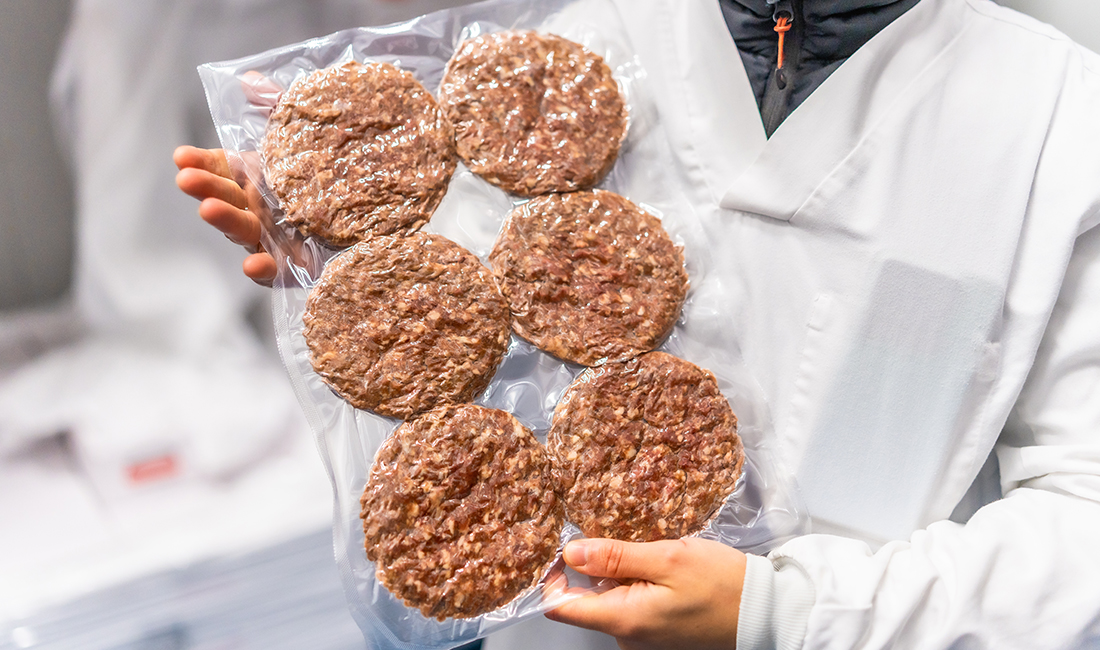
Yes — raw meat patties can be IQF-frozen without sticking. In an industrial IQF freezer, high-velocity air at −30 °C to −40 °C sets each

Preventing glazing loss requires careful control at every step: proper pre-freeze preparation, precise glaze application, stable cold-chain conditions, and routine verification. A loss of even
Tell us your food product and target capacity. Our engineers will recommend the right system.