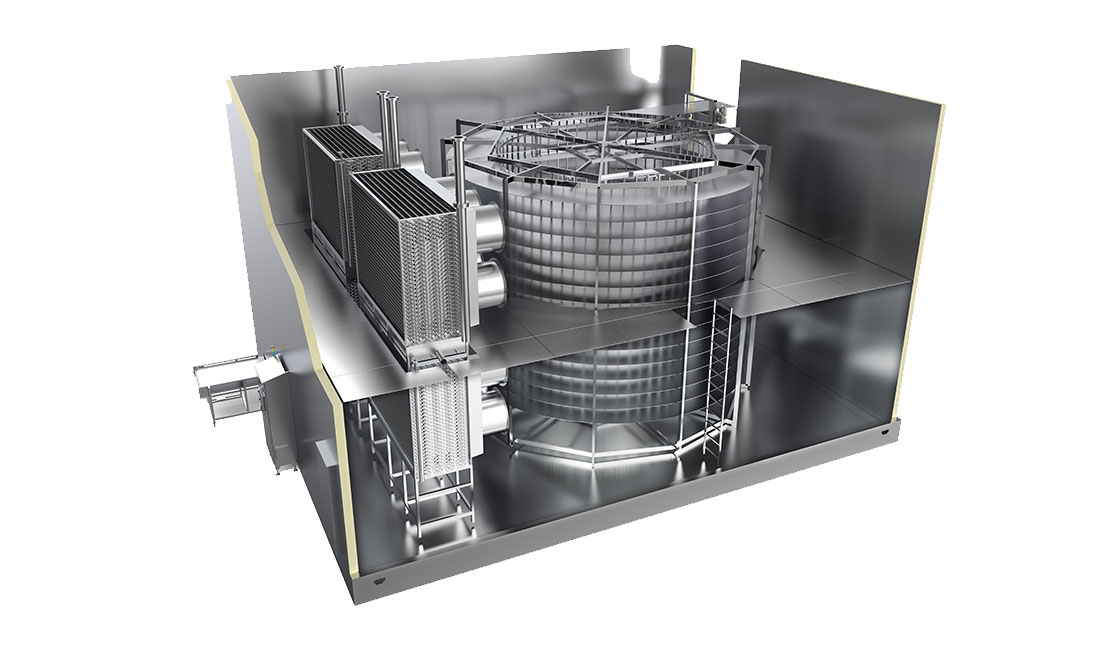
Однобарабанная спиральная морозильная камера хорошо подходит для пекарен среднего размера, которым требуется непрерывная заморозка, но у которых ограничены площадь и бюджет. Она подходит для обработки типичной хлебобулочной продукции, такой как тесто, полуготовый хлеб, круассаны, торты и пирожные. Вертикальная конструкция конвейера позволяет сэкономить площадь, обеспечивая при этом стабильную производительность в диапазоне от 500 до 3 000 кг/ч.
Основываясь на опыте в области промышленного холодильного оборудования и хлебопекарных проектов, данное руководство объясняет основные преимущества однобарабанного спирального морозильника. В нем рассматриваются такие аспекты, как занимаемая площадь, производительность, качество замораживания методом IQF, бережное обращение с продукцией, энергопотребление, контроль времени выдержки, гигиеничный дизайн и непрерывная работа. Кроме того, в руководстве проводится сравнение однобарабанных систем с туннельными морозильниками, двухбарабанными спиральными морозильниками и камерами шоковой заморозки.
Что считается пекарней среднего размера и почему оборудование для заморозки имеет значение для предприятий такого масштаба?
Пекарня среднего размера производит от 500 до 2 500 килограммов в час на одной или двух производственных линиях. Оборудование для замораживания такого масштаба определяет качество продукции, эффективность использования производственных площадей, а также готовность к экспорту или расширению деятельности в сфере общественного питания.
Объемы производства находятся между уровнем ремесленных мастерских и крупных промышленных предприятий. К типичным хлебобулочным изделиям, производимым в таких масштабах, относятся:
- Замороженное тесто и тесто для пиццы
- Полуготовый хлеб и булочки
- Круассаны, датские булочки и слоеное печенье
- Торты с украшениями и пирожные с начинкой
Этот сегмент характеризуется тремя производственными ограничениями:
- Площадь производственных помещений фиксирована, а их расширение сопряжено с большими затратами
- Ассортимент SKU меняется еженедельно в соответствии со спросом в розничной торговле и сфере общественного питания
- Производство ведётся в две или три смены, чтобы уложиться в сроки доставки
Морозильная камера недостаточной мощности создает узкие места в производственном процессе. Морозильная камера избыточной мощности приводит к растрате капитала, который можно было бы направить на финансирование второй линии. Однобарабанная спиральная морозильная камера идеально подходит именно для этого диапазона производительности.
Как на самом деле работает однобарабанная спиральная морозильная камера?
Однобарабанная спиральная морозильная камера транспортирует продукт на ленте из нержавеющей стали вокруг одного вращающегося барабана внутри изолированной камеры. Горизонтальный поток высокоскоростного воздуха замораживает продукт на нескольких ярусах ленты. Система обеспечивает непрерывную производительность вместо периодической обработки.
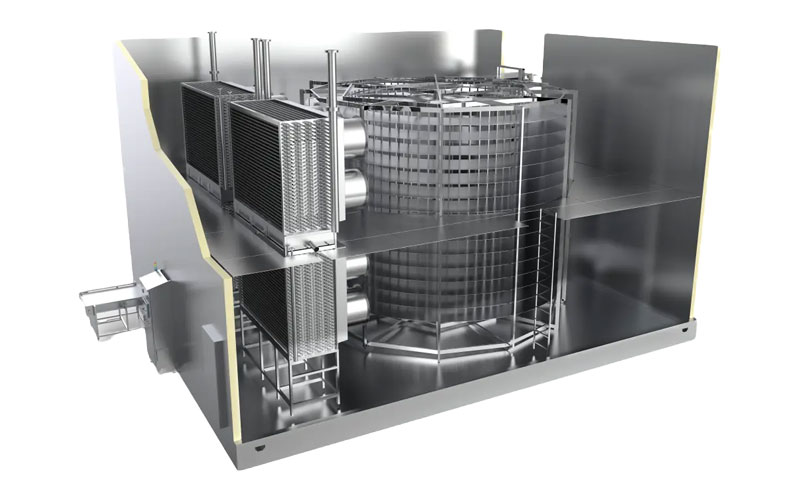
В категории спиральных морозильных аппаратов преобладают три конфигурации:
- Однобарабанные модели подходят для производительности от 500 до 3 000 кг/ч
- Двухбарабанные модели подходят для производительности свыше 4 000 кг/ч
- Туннельные морозильные камеры подходят для линейных конфигураций производительностью до 800 кг/ч
Однобарабанная модель обеспечивает наивысшее соотношение объёма и производительности из всех трёх.Как работает спиральный морозильник подробно описывает механику воздушных потоков.
В чём заключаются 8 преимуществ однобарабанного спирального морозильника для пекарен среднего размера?
Восемь преимуществ решают восемь конкретных проблем хлебопекарной отрасли. Они включают компактность, оптимальную производительность, равномерную заморозку методом IQF и бережное обращение с продукцией. Кроме того, они охватывают снижение затрат на электроэнергию в расчете на килограмм, гибкое регулирование времени выдержки, гигиеничную конструкцию и возможность непрерывной работы.
Преимущество № 1: экономия до 60 % площади без снижения производительности
Однобарабанная спиральная морозильная камера размещает несколько вертикальных ярусов конвейерных лент один над другим внутри одной изолированной камеры. Для обеспечения той же производительности в камере быстрого замораживания требуется от 60 до 80 квадратных метров площади. Однобарабанная морозильная камера обеспечивает ту же производительность на площади от 25 до 35 квадратных метров.
Вертикальное штабелирование решает проблему ограниченной площади:
- Аппарат быстрого замораживания производительностью 1 500 кг/ч занимает 60–80 м²; аналогичная однобарабанная модель помещается на площади 25–35 м².
- На высвободившейся площади размещены туннели для расстойки, миксеры или упаковочное оборудование
- Пекарни увеличивают производственную мощность без расширения площади здания
- Преимущество компактности особенно заметно на фабриках с двумя линиями, где каждый квадратный метр влияет на сбалансированность линии
Преимущество № 2: оптимальная производительность (500–3 000 кг/ч), соответствующая объёмам производства средних предприятий
Однобарабанные спиральные морозильные камеры обеспечивают производительность от 500 до 3 000 килограммов в час, что точно соответствует пропускной способности хлебопекарных предприятий среднего размера. Выбор этого уровня вместо двухбарабанной системы позволяет сократить капитальные затраты на 30–50 процентов и избежать оплаты неиспользуемой холодильной мощности.
Правильный подбор мощности защищает капитал:
- Линейка спиральных морозильных камер Square охватывает производительность от 200 до 10 000 кг/ч; конфигурация с одним барабаном рассчитана на производительность от 500 до 3 000 кг/ч для предприятий среднего размера.
- Системы с двумя барабанами требуют значительно более высоких капитальных затрат и рассчитаны на производительность, превышающую пропускную способность пекарен среднего размера
- Меньшая холодильная нагрузка позволяет уменьшить размеры компрессора, снизить расход воды в конденсаторе и уменьшить требования к электроснабжению
- Стоимость спиральных морозильных камер Square варьируется от 180 000 до 1,5 млн долларов США в зависимости от конфигурации
Преимущество № 3: равномерная заморозка методом IQF, сохраняющая структуру мякиша и корочку
Быстрое равномерное замораживание способствует образованию мелких кристаллов льда внутри теста и выпечки. Мелкие кристаллы сохраняют структуру клеток, текстуру мякиша и целостность корочки. Горизонтальный принудительный воздушный поток обеспечивает минимальную потерю влаги с поверхности в ходе цикла замораживания.
Равномерная заморозка обеспечивает качество хлебобулочных изделий:
- При медленном замораживании образуются крупные кристаллы льда, которые разрушают клеточные стенки и растрескивают корочку
- В системе горизонтальной циркуляции воздуха компании Square используются внутренние перегородки для равномерного охлаждения всех ярусов
- Эффективность теплообмена превышает показатели традиционных конструкций с вертикальным потоком более чем на 20 %
- Полуготовый хлеб сохраняет мякиш после размораживания; круассаны сохраняют слоистость
Преимущество № 4: бережное обращение с ламинированными, декорированными и фаршированными продуктами
Конструкция ленты с низким натяжением и боковые отбойники из нержавеющей стали позволяют обрабатывать деликатные продукты без повреждений от сдавливания. Геометрия с одним барабаном обеспечивает плавные переходы между ярусами. Центральный привод барабана поддерживает постоянную скорость ленты на всем протяжении спирального пути.
Бережная транспортировка защищает хрупкие хлебобулочные изделия:
- Низконатяжной ремень обхватывает каждый ярус, не сдвигая продукт
- Боковые перегородки предотвращают падение продуктов между ярусами
- Постоянная скорость конвейерной ленты исключает рывки, которые приводят к растрескиванию многослойных конструкций
- Материал ленты зависит от типа продукции и может быть изготовлен из нержавеющей стали SUS304 или пищевого пластика.
Преимущество № 5: более низкие затраты на электроэнергию на килограмм замороженного продукта
Горизонтальный воздушный поток, испарители с переменным шагом ребер и система с одним приводом снижают энергопотребление на килограмм замороженного продукта. Эффективность теплообмена повышается более чем на 20 процентов по сравнению с традиционными конструкциями. Экономия усиливается при двух- и трёхсменной работе пекарни.
Энергосбережение обеспечивается за счет трёх инженерных решений:
- Испарители с переменным шагом ребер задерживают образование инея и обеспечивают стабильную теплопередачу
- Трубки, расширенные гидравлическим способом, обеспечивают более плотный контакт трубки с ребром, что улучшает теплообмен
- Система с одним приводом снижает механические потери по сравнению с многобарабанными приводами
Преимущество № 6: гибкое время выдержки при производстве продукции с различными артикулами
Регулировка скорости конвейерной ленты позволяет настраивать время выдержки от 15 минут для сырого теста до более 90 минут для толстых пирожных с начинкой. Один спиральный морозильник с одним барабаном заменяет несколько специализированных морозильных камер. Пекарни среднего размера могут чередовать ассортимент продукции без перенастройки линий.
Одна морозильная камера обрабатывает весь ассортимент хлебобулочных изделий:
- Скорость конвейерной ленты регулируется с помощью сенсорного экрана ПЛК
- В предустановленных программах замораживания сохраняются рецепты для каждого продукта
- Операторы переключаются между выпечкой хлеба, пиццы, круассанов и тортов без каких-либо механических изменений
- Двухрежимная работа позволяет одной и той же установке охлаждать испечённый хлеб с 90 °C до температуры окружающей среды перед упаковкой, заменяя отдельный спиральный охладитель
Преимущество № 7: Гигиеничная конструкция, соответствующая требованиям HACCP и BRC
Полностью сварная конструкция из нержавеющей стали SUS304, наклонные дренажные полы и опциональные системы очистки на месте (Clean-In-Place) соответствуют требованиям аудитов HACCP, BRC и IFS. Санитарная конструкция с открытой решеткой обеспечивает полный визуальный доступ для осмотра.
Гигиеническая конструкция заложена в каждый компонент:
- Полностью сварная конструкция, пол и кожух из нержавеющей стали SUS304
- Наклонный пол с отводом воды к четырём угловым сливным отверстиям для быстрой промывки
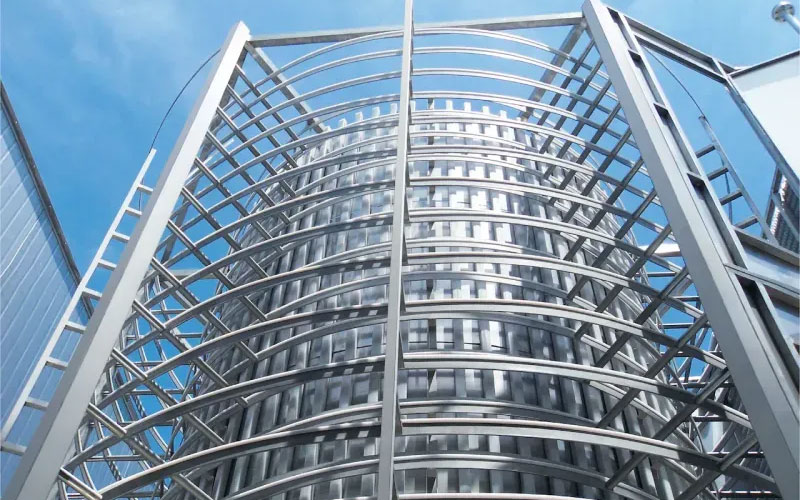
- Конструкция барабана с открытой решеткой позволяет проводить визуальный осмотр без демонтажа
- Опциональная система CIP запускает заранее запрограммированные циклы очистки между партиями продукции
- Сертификаты включают CE, ASME, PED, U2, CSA и CRN
Преимущество № 8: Возможность непрерывной работы в режиме двух- и трёхсменного графика
Последовательная разморозка в сочетании с опциональными системами воздушной разморозки (ADF) позволяет продлить непрерывный производственный цикл до 14 дней. Пекарни среднего размера, работающие в две или три смены, получают возможность непрерывного производства. Системы периодического действия и туннельные системы не могут обеспечить такую продолжительность работы.
Управление обледенением определяет время безотказной работы:
- Последовательная разморозка и удаление наледи очищают теплообменные змеевики без остановки производства
- Дополнительный модуль ADF использует подвижные воздушные сопла для удаления инея в режиме реального времени
- Непрерывный цикл работы длится до 14 дней
Когда однобарабанная спиральная морозильная камера является лучшим выбором по сравнению с туннельной, двухбарабанной или камерой быстрого замораживания?
Однобарабанные установки выигрывают по занимаемой площади и капитальным затратам при производительности менее 3 000 кг/ч. Туннельные морозильные камеры подходят для линейных планировок заводов с производительностью менее 800 кг/ч. Двухбарабанные установки подходят для производительности свыше 4 000 кг/ч. Камеры шокового замораживания подходят для периодических операций без использования непрерывных линий.
В приведенной ниже таблице сравниваются четыре основные категории оборудования для замораживания по показателям, которые наиболее важны для руководителей средних хлебопекарных предприятий:
| Оборудование | Производительность | Габаритные размеры | Уровень капитальных затрат | Идеально подходит для |
| Однобарабанная спиральная | 500–3 000 кг/ч | 25–35 м² | Средний | Среднемасштабное хлебопекарное производство непрерывного цикла |
| Спиральная морозильная камера с двумя барабанами | 4 000–10 000 кг/ч | 50–70 м² | Высокий | Крупная промышленная пекарня |
| Туннельный морозильник | \ | 15–25 м в длину | Низкий–Средний | Небольшие линейные линии |
| Камера шоковой заморозки | Только партиями | 60–80 м² | Низкий | Серийное производство, небольшой ассортимент товаров |
Часто задаваемые вопросы
Какой мощности оборудование необходимо для пекарни среднего размера?
Подбирайте морозильную камеру исходя из пиковой почасовой производительности, а не средней. Обычно выбирают модели с производительностью от 800 до 2000 кг/ч, с 20-процентным запасом на расширение ассортимента. Перед определением размера барабана и ширины ленты уточните температуру на входе, температуру на выходе и время пребывания продукта в камере.
Может ли спиральный морозильник с одним барабаном охлаждать испечённый хлеб перед заморозкой?
Да. Регулировка скорости конвейерной ленты и температуры испарителя позволяет одной и той же установке охлаждать испечённый хлеб с 90 °C до температуры окружающей среды перед упаковкой. Такое использование в двух режимах заменяет отдельный спиральный охладитель и позволяет сэкономить как площадь, так и капитальные затраты.
Чем отличается однобарабанная спиральная морозильная камера от криогенного туннеля с азотом (LN₂)?
Механические однобарабанные морозильные камеры требуют более высоких капитальных затрат, но обеспечивают более низкие эксплуатационные расходы по сравнению с криогенными туннелями на жидком азоте (LN₂). Для непрерывного производства хлебобулочных изделий среднего объема срок окупаемости зависит от загрузки по сменям, местной стоимости энергии и исходного состояния оборудования. Криогенные системы по-прежнему предпочтительны для очень небольших партий или чрезвычайно деликатных продуктов.
Как долго служит однобарабанная спиральная морозильная камера в условиях хлебопекарного производства?
При регулярном техническом обслуживании механические спиральные морозильные камеры, используемые в хлебопекарной промышленности, обычно эксплуатируются значительно дольше десяти лет. Изнашиваемые детали, включая ремни, подшипники и двигатели вентиляторов, заменяются в соответствии со стандартными интервалами технического обслуживания. Полная замена оборудования в течение срока службы требуется крайне редко.
Устанавливает ли компания «Square» спиральные морозильные камеры на месте?
Да. Спиральные морозильные камеры Square поставляются в разобранном виде и собираются непосредственно на территории пекарни, поскольку их размеры не позволяют транспортировать их в собранном виде. Компания Square направляет технических специалистов из своей глобальной сервисной сети для проведения монтажа, ввода в эксплуатацию и обучения операторов.