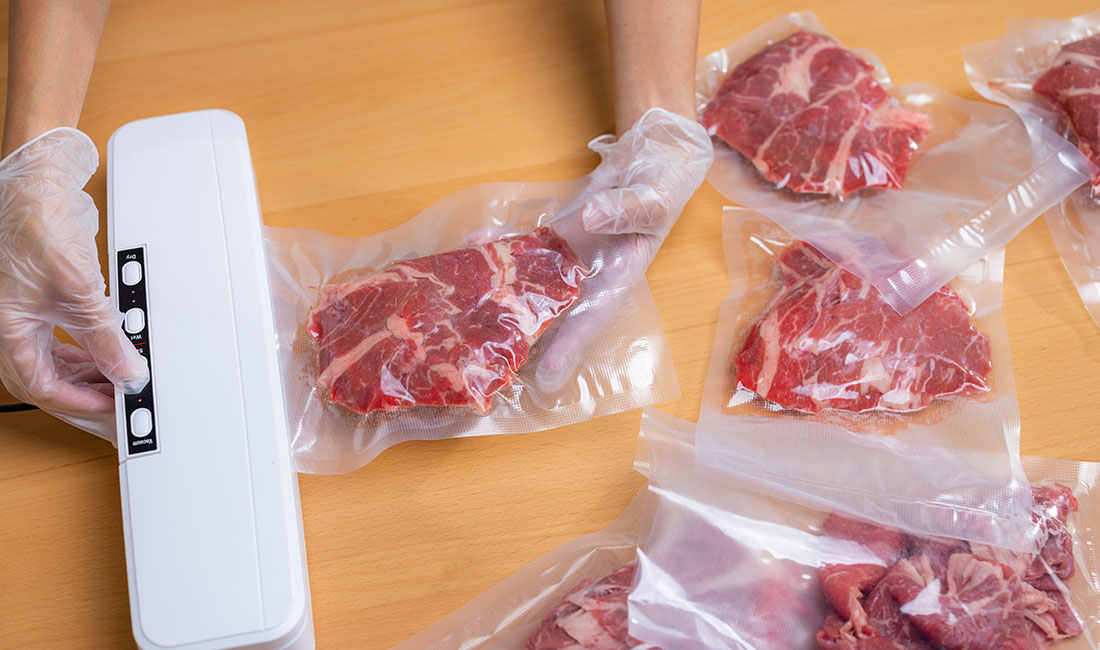
Freezer burn in frozen meat happens when moisture escapes from the surface of the meat and oxygen moves in to take its place, causing dry, discolored patches that ruin texture and flavor. Three main factors drive freezer burn: temperature fluctuations, poor packaging, and extended storage time.
This article explains the science behind each cause of freezer burn and provides tested methods to prevent it. Readers will learn how sublimation works, why slow freezing creates problems, how humidity levels affect meat quality, and what packaging materials block air exposure best. The guide also covers safe storage times for different meat types and proper handling techniques to keep frozen meat fresh for months.
What Is Freezer Burn in Meat?
Freezer burn is moisture loss from frozen meat that causes discoloration, texture changes, and flavor loss. The process removes water and triggers oxidation.
Red meats like beef turn dull or grayish. Chicken and turkey become pale beige or develop white spots along the edges. The texture becomes dry, tough, and leathery, often with ice crystals on the surface. Flavor tastes bland or off because oxygen pulls aromatic compounds from the meat’s tissue.
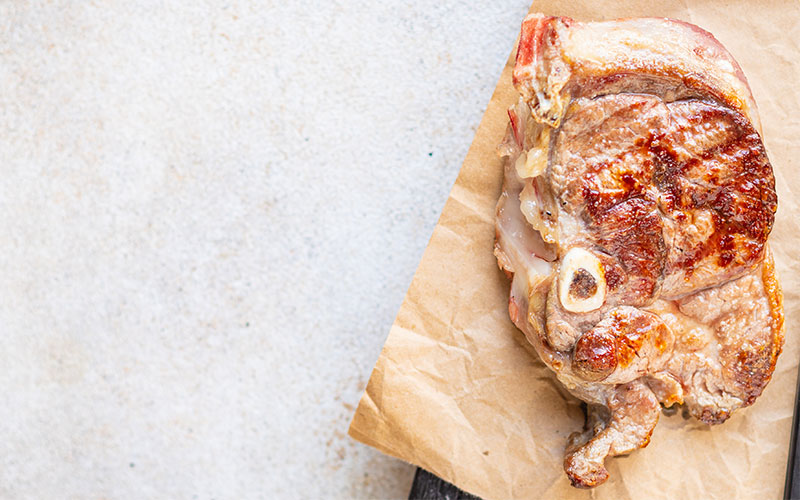
Is It Safe to Eat Freezer Burn Meat?
Meat with freezer burn is safe to eat. Freezer burn only affects taste, texture, and appearance. It does not create bacteria or toxins.
Freezer burn differs from spoilage. Spoiled meat has a bad smell and other warning signs. Meat with only freezer burn shows color changes and dryness but no foul odor. You can cut away the affected areas and cook the rest normally.
How Does Sublimation Cause Moisture Loss in Frozen Meat?
Sublimation removes moisture from frozen meat by converting ice directly into water vapor without passing through a liquid phase. This process occurs even at -18°C (0°F).
Why sublimation happens in freezers:
- Vapor pressure difference — Water molecules at the meat’s surface have higher vapor pressure than the surrounding freezer air
- Direct phase change — Surface ice crystals transform into gas and escape into the air
- Continuous process — Sublimation continues throughout frozen storage, not only during temperature changes
The rate of moisture loss depends on storage conditions. Meat in a self-defrosting freezer loses moisture faster because the defrost cycle creates vapor pressure swings.
Factors that speed up sublimation:
- Damaged or loose packaging that allows air contact
- Temperature fluctuations from door openings or defrost cycles
- Low humidity inside the storage chamber
- High air circulation around the meat
- Extended storage time
When sublimation removes enough moisture, dry, discolored patches form. Oxygen then reaches the exposed tissue and causes fat oxidation.
Why Does Slow Freezing Increase Freezer Burn Risk?
Slow freezing creates large ice crystals that damage muscle cells and accelerate later moisture loss. Water molecules have time to migrate and cluster into bigger crystals, mostly in the spaces between cells. These crystals rupture cell membranes and distort the muscle tissue.
The damage makes the meat surface more porous, providing more exit points for water vapor during storage. The exposed tissue also gives oxygen more contact area, speeding up the oxidation behind grey or white patches.
Fast freezing produces better results because it:
- Forms smaller ice crystals distributed evenly throughout the meat
- Causes less structural damage to cell walls
- Reduces moisture migration to the surface
- Limits the porous areas where sublimation occurs
A piece of meat that freezes quickly keeps a tighter, more intact surface that resists moisture loss. The same cut frozen slowly develops a rougher texture with more exit points for vapor. Industrial blast freezing at -30°C to -40°C produces far smaller ice crystals than slow freezing at -18°C, protecting cellular structure from the start.
How Do Cold Storage Temperature Fluctuations Drive Freezer Burn?
Temperature fluctuations force frozen meat to undergo repeated recrystallization, which enlarges ice crystals and accelerates moisture loss. When chamber temperature rises slightly, small ice crystals shrink while larger ones grow through vapor-phase migration. The result is fewer but bigger crystals that pull more moisture from muscle cells.
Common causes of temperature fluctuations include:
- Frequent door openings
- Defrost cycles in frost-free units
- Power outages or equipment failures
- Overloading the chamber with warm product
- Poor door seals
Each temperature swing accelerates sublimation. Frozen meat held at a stable -18°C (0°F) develops freezer burn far more slowly than meat exposed to changing temperatures.
To avoid freezer burn from temperature fluctuations:
- Keep the storage chamber at -18°C (0°F) or below
- Minimize door openings
- Check door seals regularly
- Use continuous temperature monitoring for early detection
- Store meat away from doors where temperature varies most
Stable, consistently cold storage preserves frozen meat better than any other single factor.
How Does Low Cold Storage Humidity Accelerate Surface Dehydration?
Low relative humidity in cold storage pulls moisture directly from frozen meat through a vapor pressure gradient. Cold air holds very little moisture by absolute volume. When relative humidity drops below the FAO-recommended 95–98%, water molecules at the meat surface sublimate continuously, even at proper storage temperatures.
Key factors that worsen dehydration in low humidity:
- Temperature fluctuations create more surface area for sublimation
- Air circulation moves moisture away from the meat, maintaining the gradient
- Extended storage time allows continuous migration into the dry air
The visible result is freezer burn. Water sublimates from the meat surface, leaving dry, discolored patches. The exposed tissue becomes porous and undergoes oxidation, changing both color and texture.
Higher relative humidity in the storage chamber narrows the vapor pressure difference, slowing sublimation. Proper packaging creates a barrier that traps moisture near the meat surface, raising local humidity inside the package. Vacuum-sealed packaging eliminates the airspace where vapor would otherwise escape.
Why Does Inadequate Packaging Expose Meat to Freezer Burn?
Inadequate packaging allows air to reach the meat surface, pulling moisture out and causing freezer burn. The packaging is the first barrier between the meat and dry storage air. When it fails, quality drops fast.
Standard retail packaging is not designed for long freezer storage. Most retail wraps are thin and allow gradual air permeation. They suit short-term refrigeration but fail in frozen storage.
Air exposure speeds up moisture loss through these common packaging problems:
- Loose plastic wrap that doesn’t cling to the meat surface
- Torn or punctured packaging that creates air gaps
- Containers that aren’t airtight
- Plastic bags with excess air sealed inside
Double wrapping provides better protection. The first layer should touch the meat directly with no air pockets. The second layer adds defense against temperature swings and physical damage. Vacuum-sealed packaging removes nearly all air contact and keeps frozen meat fresh for 12 to 24 months without visible quality loss.
How to Prevent Freezer Burn in Frozen Meat?
Proper wrapping stops freezer burn before it starts. Wrap meat tightly in plastic wrap or freezer paper, then add a layer of aluminum foil. Place the wrapped meat in a freezer bag and squeeze out all the air before sealing.
The freezer temperature must stay at 0°F (-18°C) or lower. At this temperature, ice crystals form smaller and faster, which reduces damage to the meat. Check the freezer temperature with a thermometer to make sure it stays consistent.
Key prevention steps:
- Remove excess air from all packaging
- Use freezer-specific bags or vacuum-sealed containers
- Label packages with the freezing date
- Store meat at the back of the freezer, not in the door
- Avoid opening the freezer door frequently
Temperature changes cause moisture to escape from frozen meat. Each time the freezer door opens, warm air enters and raises the internal temperature. This creates larger ice crystals that damage meat fibers.
Recommended storage times for frozen meat:
| Meat Type | Maximum Storage Time |
| Ground meat | 3-4 months |
| Steaks | 6-12 months |
| Roasts | 4-12 months |
| Poultry | 9-12 months |
Freezing meat quickly prevents large ice crystal formation. Place meat in the coldest part of the freezer immediately after purchase. Divide large portions into smaller packages before freezing to speed up the process.
Using frozen meat within recommended timeframes keeps quality high. Mark each package with the date before placing it in the freezer. Rotate older packages to the front for use first.
Часто задаваемые вопросы
Can Freezer Burn Be Reversed After It Appears?
No. The moisture loss and oxidation permanently damage the meat’s surface tissue. The affected areas can be trimmed and the rest used normally. Rewrapping the damaged piece prevents further spreading.
What Temperature Prevents Freezer Burn Most Effectively?
A chamber held steady at -18°C (0°F) or lower prevents freezer burn most effectively. Storage at -25°C extends freezer-burn-free shelf life by 50–100% compared to -18°C. Temperature stability matters more than any single setpoint.
Does Vacuum Sealing Fully Prevent Freezer Burn?
Vacuum sealing reduces freezer burn risk significantly but does not eliminate it. The seal must stay intact, and temperature must remain stable. Extended storage and seal breaches still allow slow moisture loss.
How Is Freezer Burn Different From Ice Glaze on Frozen Seafood?
Ice glaze is a thin water coating applied intentionally to seafood as a protective layer. It acts as a sacrificial barrier — air dehydrates the glaze first, not the product. Freezer burn removes moisture from the food itself and damages it.
Why Does Freezer Burn Appear Faster on Lean Meat Than Fatty Meat?
Lean meat contains more water and less fat than fatty cuts. Water migrates to the surface and sublimates more easily from lean tissue. Fat acts as a partial barrier that slows moisture movement and oxidizes more slowly than protein tissue.