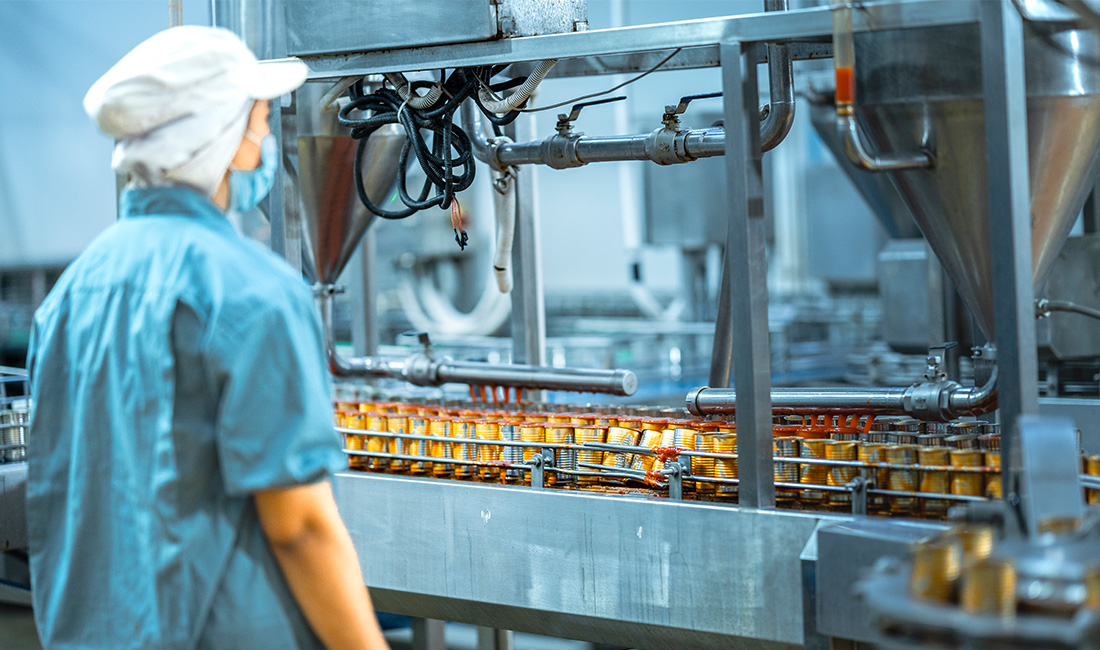
Food processors can boost efficiency and cut costs by combining process automation, data monitoring, and smart equipment selection. These methods help reduce waste, shorten downtime, and keep product quality steady by controlling temperature, timing, and throughput.
Upgrades in line design, automation, and cold chain equipment often lower energy use and improve yield. That directly strengthens profit margins.
This article looks at why improving a food processing line is so important and shows where most plants lose efficiency.
You’ll find proven ways to enhance line performance—from picking the right freezers and conveyors to using a step-by-step plan for process improvements.
You’ll also see real examples of factories that increased capacity and reduced costs through targeted optimization.
Drawing from advanced manufacturing projects and industry data, this guide shows how smart technology choices and production analysis lead to measurable gains.
Each section focuses on concrete actions that can help modern food factories maintain quality, speed, and profitability—even in a tough market.
Why Improving Your Food Processing Line Matters
A food processing line shapes how much a plant produces and how much waste it generates. If equipment runs at full capacity with steady performance, it uses less energy per unit produced.
That means lower electricity costs and less machine wear. Efficiency matters because slow or uneven production creates bottlenecks.
One underperforming machine can delay the whole line, leading to labor downtime and missed orders. By watching metrics like throughput (units per hour), yield (usable product percentage), и cleaning time (hours per cycle), managers can spot weak areas and schedule maintenance before things go off the rails.
Consistency protects food quality too. For example, automated portion control systems measure ingredients within a ±1 gram range.
That level of precision cuts down on rework and makes sure every batch meets labeling standards. Fewer rejected shipments and better compliance with safety rules follow from that.
- Automation: Swapping manual filling for servo-driven dispensers delivers faster cycles and predictable output.
- Design Layout: Shorter conveyor paths and fewer transfer points lower contamination risk and speed up cleaning.
- Data Tracking: Real-time sensors for temperature and speed give more accurate process control and reduce downtime.
Even small improvements add up. Every hour saved or error avoided directly cuts costs and keeps product flowing through the supply chain.
Where Food Factories Usually Lose Efficiency
Factories lose efficiency when slow, inconsistent, or outdated processes cause imbalances, downtime, or rework that drag down throughput.
- Unbalanced Line Speeds: Conveyors, fillers, or packers running at different rates pile up materials between stations. That means more waiting and lower equipment effectiveness (OEE).
- Bottlenecks in Heating or Cooling: Freezers and ovens often set the pace for the whole line. Old models with long preheat or defrost cycles slow everything down.
- Complex Cleaning and Hygiene: Hard-to-reach surfaces or open joints make sanitation a pain. If the design traps residue, workers spend longer cleaning, which cuts into production time.
- Inconsistent Maintenance: Equipment that runs too long without service wears out bearings and seals. Small failures cause unplanned stoppages, which cost more than regular maintenance.
- Inefficient Material Flow: Poor layout or tight aisles force operators to walk extra steps or move product more than needed. Every extra move adds cost and risk of damage.
- Data Gaps: Without accurate tracking of cycle times, temperature, or machine status, managers can’t find the real causes of delay. Reliable sensors and digital dashboards help spot where energy or time is wasted.
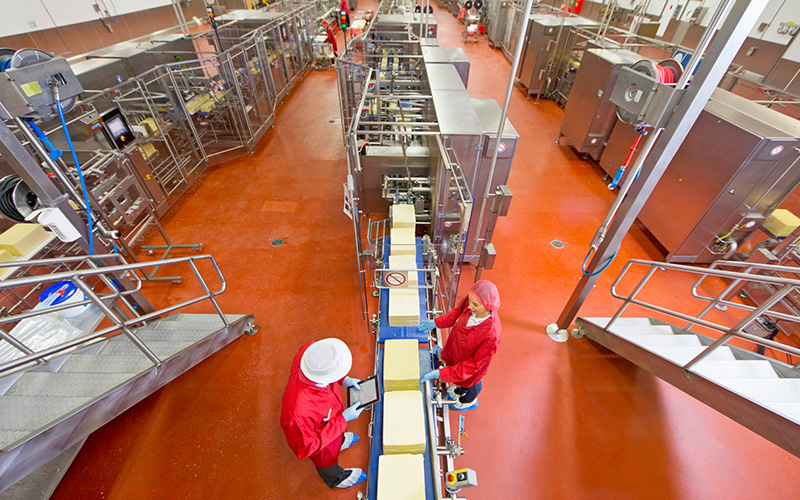
How To Increase Food Processing Line Efficiency
Boosting processing line efficiency depends on keeping equipment reliable, reducing manual handling, and controlling energy and material use.
Plants focused on these areas can increase throughput, lower waste, and keep product quality consistent.
Improve Critical Equipment And Cleaning
Food processing lines run machines for long hours, often in wet or humid conditions. Regular maintenance and solid cleaning schedules prevent breakdowns that stop production.
Using stainless steel components with IP65-rated enclosures protects motors and sensors from moisture and dust. That design helps avoid unplanned stoppages from corrosion or electrical failure.
Clean-in-place (CIP) systems can save both time and water. For example, a CIP system with automated chemical dosing keeps sanitation consistent without the hassle of taking equipment apart.
This cuts downtime between production shifts. Keeping belts, pumps, and conveyors within spec reduces wear.
Plants that log vibration, pressure, and temperature data can spot early signs of equipment fatigue before it causes a shutdown.
A simple weekly checklist—checking seals, bearings, and spray nozzles—helps keep productivity steady. By keeping machines reliable, facilities protect food safety and avoid idle hours that drive up costs.
Make Product Flow Smoother With Automation
Automation can fix flow bottlenecks and reduce manual transfers. PLCs and sensors track product movement and adjust speeds to keep the line balanced.
That makes sure materials reach the next stage at the right time, avoiding pileups or gaps. Robotic pick-and-place units also cut handling errors.
When paired with vision systems using infrared or color sensors, these robots sort products by shape or color. That means fewer rejected units and faster packaging.
Automated data collection records cycle time and throughput in real time. Supervisors can quickly spot sections running slow.
Linking conveyors, fillers, and packaging under one control platform lets the line respond faster to changes. Automation stabilizes production and improves batch-to-batch consistency, which makes cost planning a whole lot easier.
How To Cut Daily Running Costs
Daily costs climb when plants waste energy, use too much raw material, or let machines sit idle. Tracking key consumption points—like mixer motors, refrigeration, and compressed air—shows where to save.
Installing variable frequency drives (VFDs) on pumps and fans lets them adjust speed based on load, so they use less power during slow periods.
Lighting and refrigeration can switch to energy-efficient LED fixtures and insulated panels, trimming kilowatt-hours each month. Monitoring temperature and humidity trends helps set more accurate controls, avoiding overcooling or heating.
Cutting water use brings cost and compliance benefits. A high-pressure, low-volume spray system can clean faster and with less water.
That means less wastewater to treat. Recycling packaging scraps and reusing process heat are simple steps that keep both resource use and expenses in check.
Choose The Right Freezers And Cold Chain To Enhance Food Processing Efficiency
Picking and integrating freezing and cold chain systems has a direct impact on energy use, product quality, and costs. The right freezer design and stable temperature control at every storage and transport stage prevent waste and keep things consistent.
Choosing The Right Freezer For Your Product
The freezer type should match your product’s moisture, density, and freezing needs. Blast freezers use high-velocity cold air to freeze things like seafood and baked goods fast, which keeps texture intact.
Spiral freezers move products through controlled airflow, saving floor space and cutting energy for big operations. Adjustable temperature ranges and airflow patterns give you better control over product uniformity.
For example, units running between –35 °C and –45 °C can quickly hit the core temperature needed for safety. That means fresher taste, longer shelf life, and fewer rejects.
Regular maintenance—like cleaning evaporator coils and calibrating sensors—keeps freezing efficient. Skip those steps and you’ll get ice buildup, poor airflow, and longer cycles, which eat up energy.
- Blast: Best for seafood and baked goods (–35 to –45 °C). Fast freezing, keeps texture.
- Spiral: Great for meat, poultry, ready meals (–30 to –40 °C). Continuous, energy savings.
- Plate: Good for flat-pack foods like fish fillets (–40 to –50 °C). Direct contact, uniform freeze.
Designing The Whole Cold Chain System
An efficient cold chain links freezing, storage, transport, and monitoring under steady thermal conditions. Each stage should use equipment with temperature uniformity tolerance within ±1 °C to limit bacteria and moisture loss.
Sensors at key points verify compliance with food safety rules like HACCP. Automated data logging lets you react fast to any issues, reducing product risk.
Energy efficiency improves when facilities use insulated docking stations, variable-speed compressors, and smart defrost cycles. These systems adjust cooling to match load, cutting electricity use during slow times without risking safety.
For transport, refrigerated trucks with multi-zone temperature control let you move mixed loads—like frozen meat and chilled produce—together safely.
Coordinating warehouse and vehicle systems with networked temperature tracking keeps the whole line in sync. That makes sure products stay within required limits from plant to retailer.
A Simple Step-By-Step Plan To Improve Your Line
If you want to improve a food processing line, you’ll need a structured process. It starts with finding inefficiencies, applying targeted upgrades, and measuring progress with clear data. Sounds simple, but the details matter.
- Assess – Start with a baseline review of your current line. Measure overall equipment effectiveness (OEE), track idle time, product waste, and output per hour. This gives you a real, numbers-based picture of performance. You’ll see where losses happen.
- Map – Draft a simple process flow map from raw input to packaging. This visual layout highlights bottlenecks and redundant steps. When you see the whole flow, it’s easier to spot where process tweaks will pay off.
- Automate – Add automated conveyors, smart sensors, or portioning tools where it makes sense. These devices keep things moving at a steady pace and reduce manual errors. Operators deal with fewer slowdowns and get more predictable output.
- Standardize – Write and train everyone to follow a single verified procedure for each task. This keeps product quality consistent. People spend less time fiddling with machines or redoing batches.
- Monitor – Install real-time data dashboards so managers can see throughput and downtime instantly. When a machine underperforms, alerts let you act faster and save time.
Real Examples Of Line Improvements
Some food manufacturers have made impressive gains by upgrading their lines with smarter controls and better workflow design. A mid-sized dairy plant, for instance, installed automated filling and sealing machines that held a ±0.5-gram fill tolerance. The plant cut material waste by 4% and didn’t need manual weight checks, so two workers moved to other jobs.
Another example comes from a frozen vegetable processor that switched to a sensor-based sorting system. The sensors used spectral imaging to spot minor surface defects. By rejecting only damaged pieces, the line increased usable yield by 7%. In real terms, each 10-ton batch now produced an extra 700 kg of marketable product.
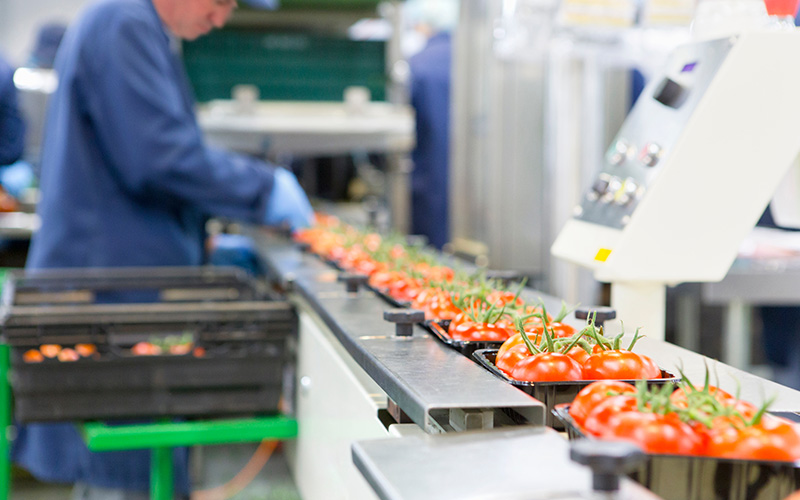
How NTSquare Can Help You Improve Your Line
NTSquare designs and builds freezing and системы пищевой промышленности for bakery, seafood, meat, and dairy operations.
They use 304-grade stainless steel in every unit. This material resists corrosion and makes sanitation much easier, especially in damp or high-moisture areas.
Operators can hit hygiene standards with less scrubbing and fewer harsh chemicals. That’s a relief if you’ve ever spent hours cleaning equipment that just won’t cooperate.
NTSquare offers continuous freezers, tunnel IQF systems, spiral coolers, and modular conveyors. These systems keep product flow steady, from intake all the way to packaging.
They hold tight control over temperature and humidity. That helps stabilize texture and keeps moisture loss to a minimum.
So, you get fewer rejected batches and waste less on ingredients. That’s a win for anyone watching their bottom line.
Their engineers actually dig into your process before installation. They look at your throughput targets, space constraints, and energy use.
After that, they suggest configurations that balance speed with reliability. Facilities can squeeze more out of their floor space and cut down on dead time between steps.
NTSquare includes installation oversight, operator training, and post-sale maintenance in its service package. Staff learn the right way to run things, and production can start up without a hitch.
That means faster commissioning and less risk of unexpected downtime. It’s just less headache all around.
- Hygienic operation: 304-grade stainless steel
- Consistent freezing: uniform air and temperature control
- Lower operating costs: layout and energy analysis
- Reliable performance: technical and after-sales support
If you want a tailored review or a quote, just share your current line layout or capacity goals with NTSquare’s team. They’ll take it from there.