
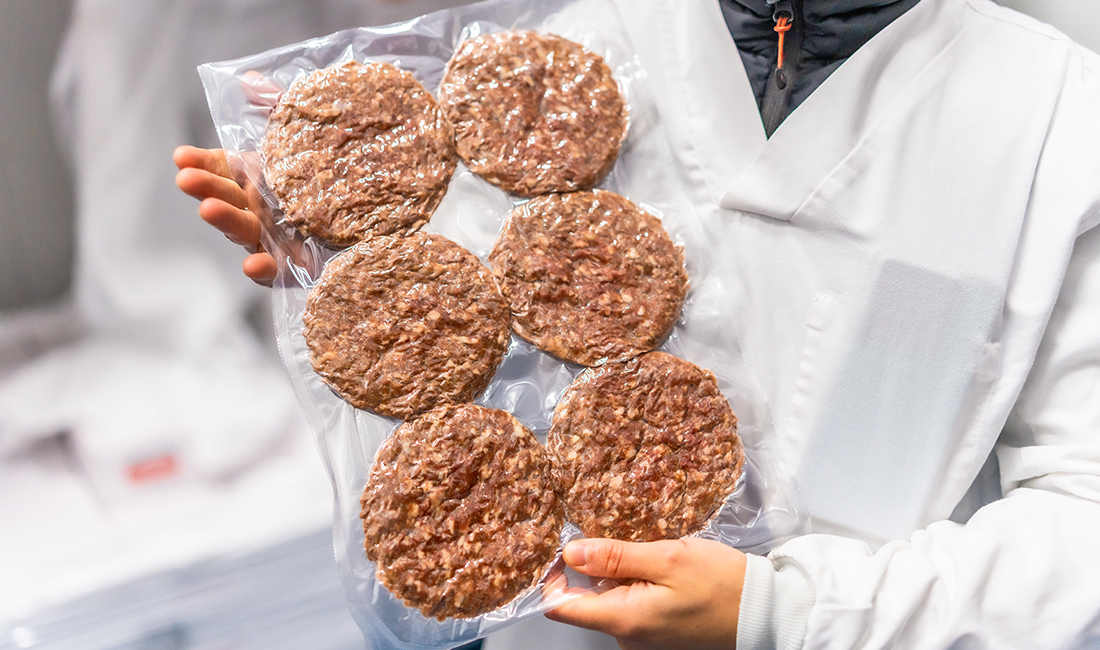
Yes — raw meat patties can be IQF-frozen without sticking. In an industrial IQF freezer, high-velocity air at −30 °C to −40 °C sets each patty’s surface within minutes, so patties leave the line fully separate and free-flowing. The same principle works at small scale: lay patties in a single layer, freeze until solid (typically 1–3 hours in a home freezer), then transfer them to sealed bags.
This guide covers the science behind why patties stick, how IQF prevents clumping, which freezer types deliver the best results, and what settings and equipment modifications stop adhesion problems. Readers will learn practical steps to freeze raw meat patties at home or scale up for commercial production without wasting product or dealing with frozen clumps.
Why Do Raw Meat Patties Stick Together When Frozen?
Raw meat patties stick together when frozen because the water inside the meat turns into ice crystals that bond the patties together. Ground beef is roughly 60–73% water, depending on fat content. This water freezes and creates a cement-like connection between patties stacked directly on top of each other.
The sticking gets worse with lean meat. Lean ground beef has less fat to act as a barrier between patties, so ice crystals form stronger bonds. An 80/20 beef blend separates more easily than 90/10 or 93/7 lean beef.
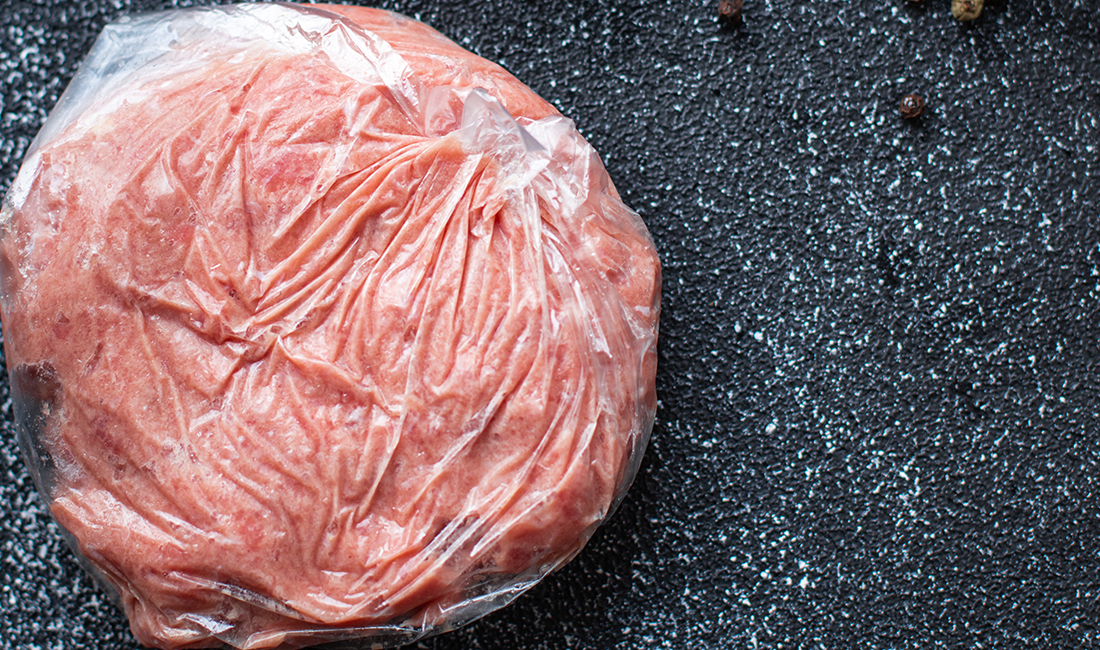
How ice crystals create bonds:
- Water expands when it freezes
- Ice crystals grow outward from each patty surface
- Crystals from touching patties interlock and merge
- The bond strengthens as temperature drops
The pressure from stacking multiple patties together makes the problem worse. Weight pushes the patties closer, eliminating air gaps where ice crystals might otherwise stay separate. Each additional patty in the stack increases the pressure on the ones below.
Freezer burn also plays a role when you freeze hamburger patties without proper wrapping. Exposed meat surfaces lose moisture to the freezer air. This moisture refreezes on contact points between patties, adding extra ice that welds them together.
Refreezing creates the strongest bonds. When you freeze raw hamburger, then partially thaw it, then refreeze it, the ice crystals grow larger. Bigger crystals create tighter connections that make separating frozen hamburger patties nearly impossible without damaging the meat.
To prevent freezer burn and sticking when freezing hamburger, place barriers between patties before the water has a chance to freeze and bond them.
How Does IQF Keep Each Patty Separate?
IQF keeps each patty separate by freezing the outer surface of the meat so fast that individual pieces don’t have time to stick together. The process moves patties through extremely cold air at temperatures between -30°C to -40°C.
Cold air blasts hit each patty from multiple directions at once. This forms a frozen shell on the outside of each piece within minutes. The shell acts as a barrier that stops patties from bonding to each other.
Two approaches keep patties apart during IQF:
- a belt that carries them in a single, spaced layer through the tunnel
- air-impingement jets that crust each patty before contact
The speed matters because large ice crystals damage meat cells. When you freeze raw hamburger slowly, big crystals form inside the meat and break cell walls. This causes juice to leak out when thawed and creates mushy texture.
IQF freezes the water molecules before large crystals can grow. Small crystals preserve the meat structure and prevent freezer burn better than home freezing methods.
Each frozen patty stays loose in the bag instead of forming a solid block. Users can remove single patties without thawing the entire package. This portion control reduces waste when freezing hamburger patties for commercial or home use.
The frozen shell also protects the meat surface from air exposure, which causes freezer burn during storage.
Which IQF Freezer Type Is Best for Raw Meat Patties?
Impingement tunnel freezers are the strongest fit for flat patties. High-velocity air jets strike the patty surface directly and set a frozen crust in seconds, which locks the shape and prevents adhesion. For higher throughput or thicker formed patties, spiral and straight tunnel belt freezers are equally proven choices, offering long dwell time and large continuous capacity on heavy-duty stainless-steel belts. The right choice depends on patty size, line speed, and required output rather than on one freezer being “better” than another.
What Settings Stop Patties From Sticking?
The freezing-air temperature is the single most important setting. For true IQF results the air must run at about −30 °C to −40 °C, which sets the patty surface fast enough to stop adhesion. Belt speed is then tuned so the dwell time brings the patty core down to −18 °C (0 °F) — the point at which the patty is fully frozen and stays separate in the bag. Airflow must stay high and even across the belt so every patty crusts at the same rate.
How Do You Keep Patties From Sticking to the Belt?
Stainless-steel mesh belts keep patties from sticking during IQF freezing. They resist adhesion, withstand low temperatures, and are the standard belt for industrial tunnel and spiral freezers, unlike plastic belts that turn brittle in the freezing zone.
A pre-chilled belt releases patties cleanly. Once the belt is well below freezing, a thin ice film forms at the contact point and acts as a barrier, so a patty whose surface has already set lifts away without tearing.
Proper patty preparation reduces sticking:
- Control surface moisture before patties reach the belt
- Space patties evenly so each one freezes at the same rate
- Avoid overloading the belt, which slows freezing and causes contact
A CIP and belt-washing system keeps release consistent. Cleaning between runs removes fat and protein residue that would otherwise build up into sticky spots and worsen over time. This protects patty shape and texture and limits handling after the initial freeze.
FAQs
Can You Freeze Raw Patties Without Parchment Paper?
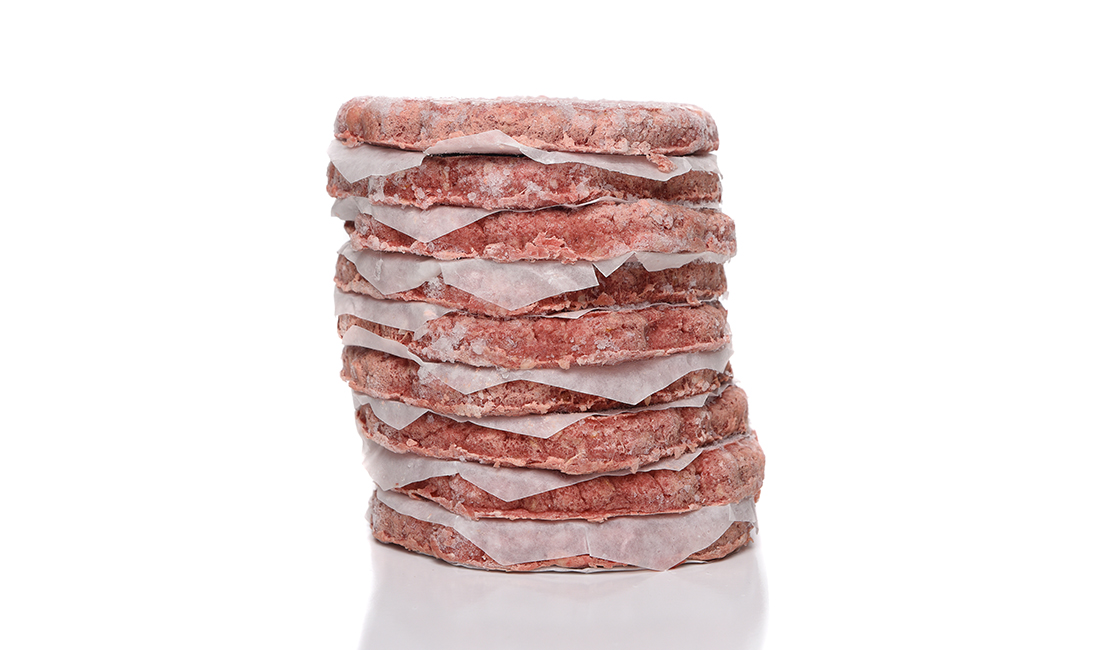
Yes. IQF freezing makes parchment paper unnecessary, because each patty’s surface sets solid before it touches another, so they never fuse. Parchment is only a workaround for slow home freezing, where patties stay tacky long enough to stick.
Why Are My Patties Still Sticking After Freezing?
Your freezing is too slow or the belt is overloaded. When patties freeze slowly, touch each other, or sit in stacked layers, their surfaces stay wet and bond together. Temperature swings during storage can also thaw and re-fuse them.
Can One IQF Freezer Handle Patties of Different Sizes?
Yes. One freezer can handle different sizes by adjusting belt speed and dwell time — slower for thick patties, faster for thin ones. As long as each patty fully sets its surface before exit, all sizes stay separate.