
I. Introduction
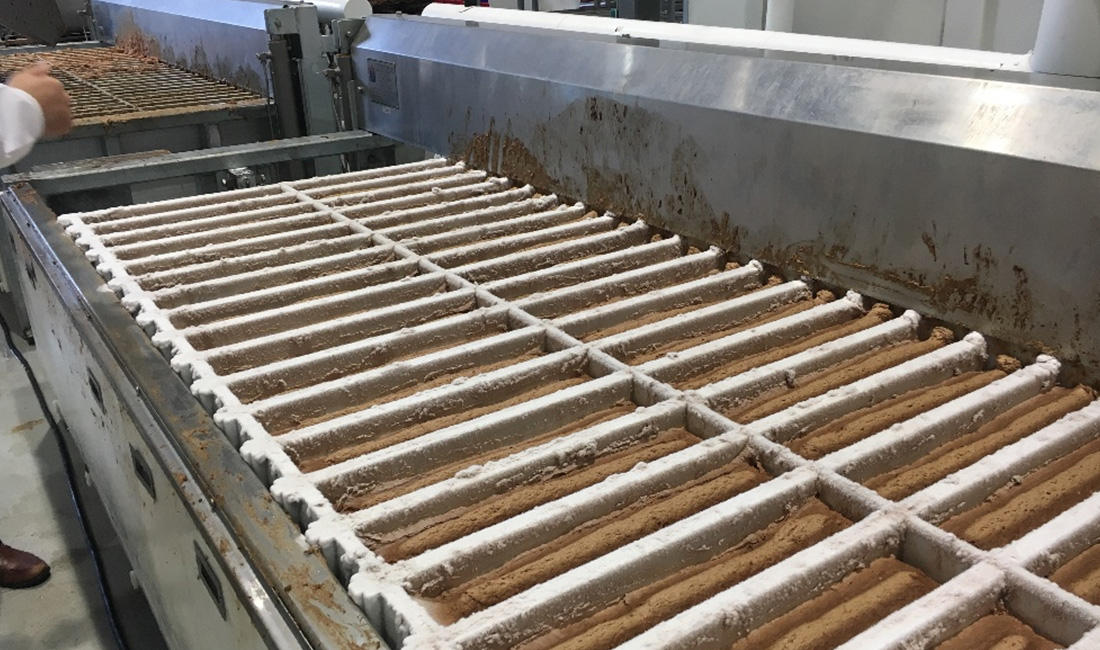
In the modern meat processing industry, the efficient and high-quality handling of by-products has become a key factor for enterprises seeking to enhance their competitiveness. Mechanically Deboned Meat (MDM), a by-product of the portioning process, presents specific challenges for freezing due to its high nutritional value and pasty texture. The vertical plate freezer, as an efficient contact freezing equipment, plays an indispensable and central role in the processing of MDM products, thanks to its unique structural design and superior heat transfer performance.
II. Equipment Overview and Working Principle
A vertical plate freezer is a type of contact freezer. Its core structure consists of a series of vertical, parallel, hollow metal plates (typically made of aluminum or extruded aluminum alloy profiles). These plates act as the evaporator, connected to the refrigeration system via flexible, pressure-resistant hoses. The refrigerant circulates inside the plates, absorbing heat.
During operation, no additional trays or molds are required. The unpackaged MDM paste can be directly poured into the space between two adjacent vertical plates. Subsequently, a hydraulic system is activated, pressing the plates together to compress the product. Through direct double-contact heat exchange and under the applied pressure, the MDM is formed into a regular, dense block and freezes rapidly within a few hours, resulting in a standard frozen block of meat.
III. Specific Applications in MDM Processing
MDM is characterized by variable fat content, high water activity, and a fine, viscous texture, making it highly susceptible to microbial growth. This demands extremely fast freezing speeds and contamination-free handling. The vertical plate freezer addresses these specific characteristics in the following ways:
1. Direct Bulk Freezing Without Packaging
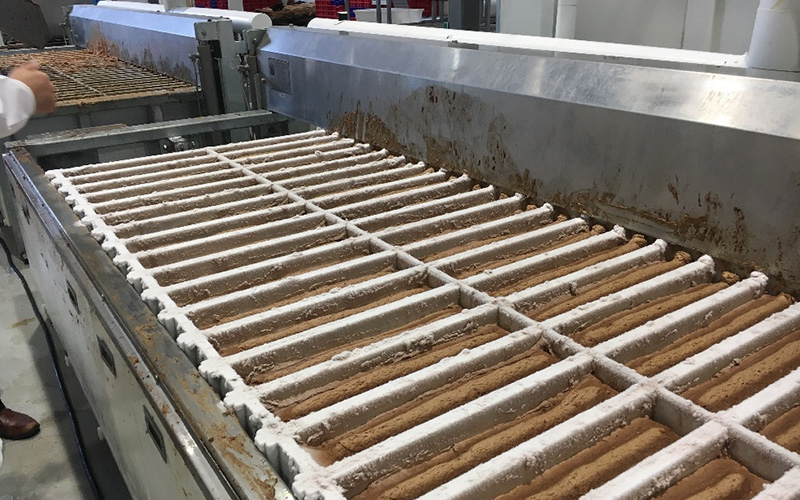
MDM is typically in a paste form, which is difficult to shape individually. A significant advantage of the vertical plate freezer is its ability to handle unpackaged, bulk MDM directly. Operators simply pour the MDM between the plates, which serve as both the heat exchanger and the mold for shaping. This avoids the heat transfer inefficiency caused by pre-packaging and saves the labor and material costs associated with handling trays or wrapping materials.
2. Value-Added By-Product Processing
With the growing market demand for pet food and industrial raw materials, meat processors are increasingly transforming MDM from a “low-value by-product” into a high-value ingredient. The vertical plate freezer processes MDM into standard “naked blocks,” a preferred specification for pet food manufacturers, facilitating subsequent automated grinding and efficient logistics handling.
3. Suitability for Both Onshore and Offshore Operations
The equipment has a compact design, a small footprint, and is available in various sizes (with freezing capacities ranging from 800 kg to several tons). This makes it suitable not only for large land-based processing plants but also common on deep-sea fishing vessels, allowing MDM and other raw materials to be frozen immediately upon production, locking in freshness.
IV. The Core Role in MDM Processing
The application of the vertical plate freezer does more than just change the physical state of MDM; it plays a critical role in quality, efficiency, and cost control:
1. Rapid Freezing for Quality Preservation
MDM tends to heat up during the mechanical deboning process and, being nutrient-rich, spoils quickly. The vertical plate freezer utilizes double-contact heat exchange, which is far more efficient than traditional air-blast freezing. For product blocks typically not exceeding 100mm in thickness, the freezing speed is very high, allowing the MDM to pass through the zone of maximum ice crystal formation rapidly. This prevents the formation of large ice crystals that can puncture cell structures during slow freezing, thereby minimizing drip loss upon thawing and preserving the texture and nutritional value of the meat.
2. Inhibition of Microbial Activity and Enzymatic Reactions
Rapidly lowering the core temperature to below -18°C significantly inhibits microbial growth and enzymatic activity within the MDM. This not only extends the product’s shelf life but also ensures its safety as a raw material for human food or pet food, preventing economic losses due to spoilage.
3. Optimized Product Form and Improved Downstream Efficiency
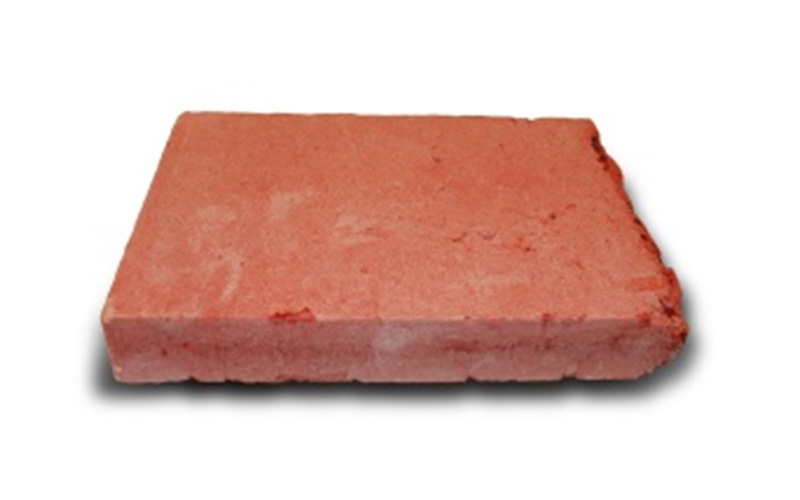
Through compaction and freezing under hydraulic pressure, the MDM is formed into dense, uniformly shaped frozen blocks. This regular form greatly facilitates stacking in cold storage and transportation in containers, optimizing the efficiency of the cold chain. For downstream users (such as sausage or pet food manufacturers), these standardized frozen blocks can be fed directly into grinders without the need for thawing or unpacking, enabling seamless integration into their production processes.
4. Reduced Dehydration (Weight Loss) and Energy Efficiency
Due to the enclosed contact freezing method and the absence of strong air currents, the sublimation of water from the product surface (dehydration or “freezer burn”) is minimal. This maximizes the retention of product weight and sensory qualities. Furthermore, contact freezing is generally more energy-efficient than air-blast freezing, aligning with the meat industry’s goals for cost reduction and sustainability.
V. Conclusion
In summary, the vertical plate freezer, with its key features—suitability for unpackaged bulk products, high freezing speed, compact footprint, and mechanized operation—perfectly matches the processing requirements of Mechanically Deboned Meat (MDM). It not only solves the challenges of MDM’s perishability and difficult handling but also creates a value-added chain, transforming a meat processing by-product into a high-quality, standardized industrial raw material. In modern meat processing and utilization, this equipment has become a critical technological asset for ensuring food safety and enhancing economic efficiency.