
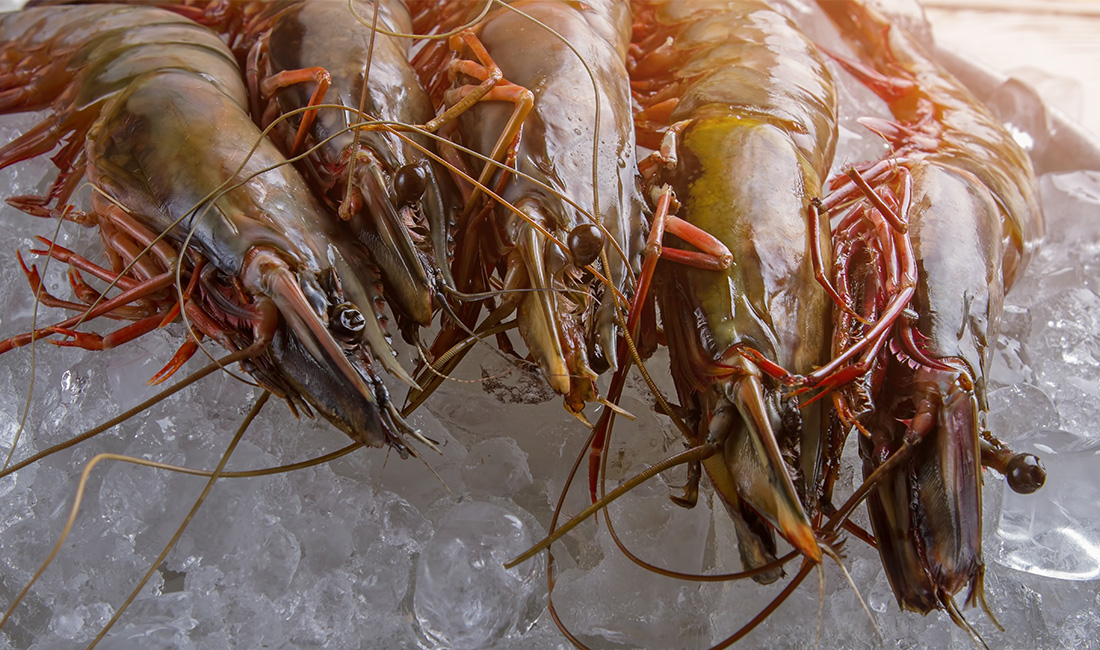
Seafood processors improve yield and product quality by using Individual Quick Freezing (IQF) technology. IQF shrimp processing freezes each shrimp separately at extremely low temperatures, preserving texture, taste, and moisture without forming ice blocks. This method reduces product loss, simplifies packaging, and keeps shrimp in a ready-to-cook state that meets commercial and foodservice demands.
Modern seafood plants rely on specialized IQF freezers, plate freezers, and immersion systems that match their specific product types. Because these tools control temperature, airflow, and freezing speed with precision, they help maintain consistent quality while cutting energy and labor costs. In practice, this means less product waste and greater processing efficiency.
This article explains why choosing the right freezing equipment matters, how each technology fits into a seafood line, and what to consider when upgrading or expanding a plant. It also covers hygiene, compliance, and automation trends shaping today’s seafood operations.
Why The Right Equipment Matters In Seafood Processing
Using the proper machinery in seafood processing affects product texture, moisture retention, and microbial safety. Precise temperature control and fast handling reduce waste, protect the natural structure of seafood, and keep the end product consistent from capture to packaging.
Unique challenges of seafood: high perishability, delicate texture, strict food safety demands
Seafood spoils faster than most proteins because of its high moisture content (70–80%) and neutral pH, which support bacterial activity. Its muscle fibers are short and fragile, tearing easily under rough handling or uneven chilling.
- Reason: High enzymatic activity continues after harvest and accelerates spoilage. ○In practice, this means processors must chill seafood within hours to prevent odor and texture breakdown.
- Requirement: Regulatory standards, such as HACCP (Hazard Analysis and Critical Control Point), mandate strict temperature control at or below 4°C before freezing. ○For workers, this means continuous monitoring and equipment that maintains exact setpoints.
- Outcome: Using stainless-steel conveyors and automated graders reduces contamination and surface damage. ○It translates to a cleaner product with longer refrigerated shelf life before final freezing.
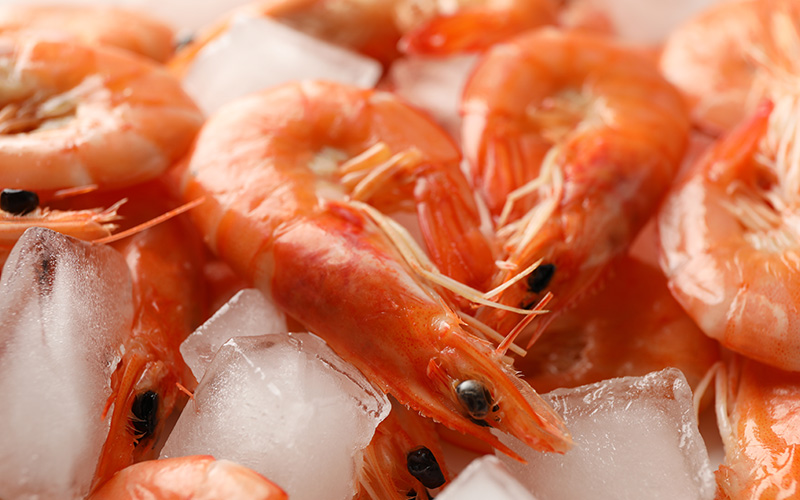
How poor freezing or slow processing destroys texture and increases drip loss
When freezing occurs too slowly, large ice crystals form between muscle fibers. These crystals rupture cell walls, and when the seafood thaws, drip loss—the release of liquid protein and natural juices—increases noticeably.
Slow freezing below –18°C without uniform airflow leads to uncontrolled ice crystal growth. For processors, this means uneven product texture and up to 5–10% yield loss after thawing. Damaged cell membranes cause mushy texture and faded color. In production terms, the product may fail appearance and moisture standards for retail display.
What are Core Seafood Processing Technologies And How They Fit In Seafood Processing Line?
Core seafood processing technologies are the main systems that prepare, preserve, and package seafood for safe and consistent delivery from plant to market. Each stage fits a specific point in the line, from initial cooking to final freezing and storage as below:
- Thermal Processing (Cooking & Value-Add): This stage uses continuous fryers, steam cookers, or blanchers designed for uniform heating. Because the shrimp are pre-cooked before freezing, this step helps stabilize color, texture, and microbial safety. For operations that handle breaded or seasoned shrimp, precise temperature control ensures even cooking without oil absorption. In practice, this means predictable yields and consistent appearance across batches.
- IQF Freezing (Tunnel, Spiral, Fluidized Bed, Impingement):Individual quick freezing relies on high-velocity cold air or cryogenic jets that chill shrimp separately rather than in bulk. This prevents clumping and maintains product shape. The tunnel and spiral systems suit continuous high-volume lines, while fluidized bed or impingement models work best for smaller or delicate species. For users, this translates to easy portioning and minimal thaw loss.
- Block and Plate Freezing: These methods use refrigerated aluminum plates that compress cartons or blocks of seafood. Because heat conduction through metal is rapid, they achieve solid blocks suitable for storage or export. Plants often select them for fish fillets, bulk shrimp, or long-haul shipments where space efficiency matters most.
- Immersion Freezing (Brine or Glycol Systems): Immersion units submerge sealed seafood in salt or glycol solutions cooled below −20 °C. The liquid-to-surface contact allows fast heat transfer, which reduces ice crystal formation in prawns and fish. In real-world terms, this means smoother texture when thawed and reduced drip loss.
- Glazing, Packing, and Cold Storage: Glazing adds a thin protective ice layer that reduces dehydration during storage. Once packed, seafood enters −18 °C cold rooms that stabilize product temperature until shipment. This protects IQF shrimp and other frozen seafood from freezer burn and oxidation during extended distribution.
IQF Freezers for Seafood: Keeping Every Shrimp and Fillet Separate
Individually Quick Freezing (IQF) technology uses controlled cold air systems to freeze each seafood piece separately. It lets processors handle shrimp, fish fillets, and other delicate seafood without clumping, preserving the shape and texture for packaging and cooking efficiency.
What is IQF Freezer?
An Морозильная камера IQF rapidly freezes individual seafood items by exposing them to cold air moving at high velocity. The temperature often reaches -35°F to -45°F (-37°C to -43°C), which solidifies moisture inside each shrimp or fillet quickly. Because the freezing happens in seconds, cell walls remain intact, preventing drip loss after thawing.
Unlike block freezing, the IQF system keeps pieces separate through air circulation and mechanical motion. This separation protects the natural look and allows consistent cooking across batches. The quick freezing rate also lowers the chance of bacterial growth since the product moves through the temperature danger zone faster.
For processors, this method means better yield and less waste because shrimp do not stick together or tear during packaging. In practical terms, staff can portion or glaze frozen seafood directly from storage, improving daily throughput without extra thawing steps.
What are IQF Tunnel Freezers for Seafood?
Tunnel freezers move seafood through an enclosed chamber on a continuous belt. Cold air flows vertically or horizontally over the product, creating uniform freezing. The belt speed, air velocity, and temperature can be adjusted to match product size, usually achieving core freeze within a few minutes.
These systems are often built from 304 or 316 stainless steel, making them corrosion-resistant in humid or saline environments. The smooth surfaces reduce frost buildup, allowing easier sanitation between runs.
Because tunnel freezers maintain tight control of airflow balance, shrimp and fillets freeze evenly. For operators, this means lower rework rates and fewer visual defects. Energy use may also drop when airflow is optimized, translating to lower refrigeration costs per pound of seafood processed.
What are Spiral IQF Freezers for Seafood?
Spiral freezers use a continuous belt that coils upward inside an insulated enclosure. This design allows large freezing capacity in a small floor area—ideal for plants with limited space. Air circulates both horizontally and vertically around each layer, ensuring equal freezing time across all levels.
Each belt tier is separated by adjustable spacers that prevent contact between products. Because of the spiral arrangement, residence time can be increased without extending line length. For products like shrimp or fillet portions that need delicate handling, this layout minimizes damage while maintaining steady flow.
Many spiral systems include variable-frequency drives (VFDs) to control belt tension and speed. In practice, this gives processors finer control over freezing curves, reducing surface dehydration and color loss. The enclosed design also reduces frost carryover into adjacent areas, keeping maintenance simpler.
What are Fluidized Bed Freezers for Seafood?
A fluidized bed freezer uses upward-blown cold air to suspend and separate individual pieces as they freeze. The seafood “floats” lightly above a perforated conveyor belt while freezing air circulates from below. Because items stay in motion, no surface contact occurs, avoiding sticking or compression marks.
This design works best for small, uniform products like peeled shrimp or scallops. The airflow intensity can be tailored to product density so that even light items freeze evenly from all sides. As a result, both weight retention and appearance improve compared to static freezing methods.
For the operator, the fluidized bed’s key advantage lies in short freezing times and minimal labor. Workers do not need to manually spread or separate shrimp before packaging, saving time and reducing product handling fatigue.
What are Impingement Tunnel Freezers for Seafood?
Impingement tunnel freezers apply high-velocity jets of super-cooled air directly onto the product surface. This air penetrates the boundary layer faster than normal convection, transferring heat away quickly. Core temperatures reach freezing levels within minutes even for thicker fillets.
Nozzles positioned above and below the belt ensure consistent coverage. Because surface moisture freezes instantly, it locks in natural juices before ice crystals can grow large. That process limits structural damage and maintains plump texture after thawing.
Some designs combine impingement with cryogenic elements, such as injecting liquid nitrogen or carbon dioxide at the tunnel entrance. This hybrid method enhances crust freezing so seafood retains color and minimizes shrink loss. For processors, the result is shorter cycle times and easier downstream glazing.
What is Tie Back To Quality And Yield?
The choice of freezer affects texture, moisture retention, energy efficiency, and product integrity. Freezers with rapid and uniform air distribution, like impingement or fluidized systems, keep microcrystal formation small, preserving firmness in cooked shrimp. Spiral and tunnel designs enable continuous throughput for mixed product lines, reducing idle equipment time.
Temperature control accuracy—often within ±2°F—directly impacts yield. Less dehydration means each pound of frozen shrimp keeps its original mass. In real terms, this raises profitability because finished product weight stays closer to incoming wet weight.
By using IQF systems designed around airflow precision, stainless-steel hygiene, and programmable parameters, processors achieve frozen seafood that thaws cleanly and cooks consistently—a measurable advantage for both foodservice and retail applications.
Plate Freezers For Blocks And Bulk Seafood
Plate freezers use flat or vertical plates made of marine-grade aluminum or 316L stainless steel to clamp packaged seafood such as fish fillets, shrimp blocks, or surimi trays. The design transfers heat by direct contact between the product and the metal surface, which speeds up freezing compared to air-based methods. Because the plates press evenly on both sides, the temperature spreads uniformly across each block.
This type of freezer works best for regularly shaped blocks or cartons that create full surface contact. Vertical plate freezers are often found on fishing vessels because their compact frames fit limited deck space. The anti-corrosion build protects against salt exposure, which supports long operational life in harsh environments.
Immersion Freezing And Other Specialized Technologies
Immersion freezing involves submerging seafood in a chilled liquid such as brine or glycol. Direct contact with the liquid draws heat away quickly and evenly, achieving core temperatures near -18°C within hours. For the processor, this means minimal ice crystal growth and reduced cell damage compared to slower air methods.
This method works well for prawns, squid, and certain fish fillets, especially when uniform shape and quick turnaround are priorities. Because the product moves freely in the liquid, the freeze is consistent across all surfaces. In practice, this provides steady yields and helps maintain natural texture after thawing.
In high-volume shrimp plants, Individual Quick Freezing (IQF) remains preferred because forced cold air allows continuous production at predictable speeds. Immersion units, by contrast, suit specialty lines or mixed-product operations where space or equipment cost is limited.
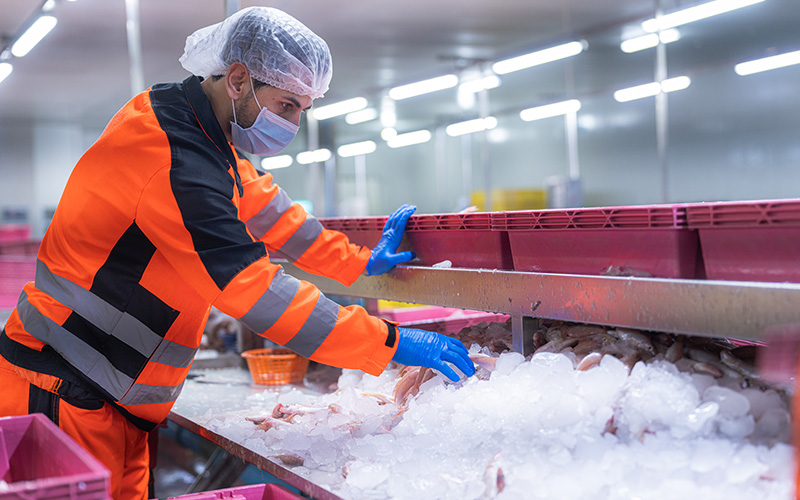
Fryers And Value-Added Seafood Processing
Fryers play a direct role in shaping the flavor and texture of value-added seafood such as breaded shrimp and fish fingers. Efficient systems depend on steady oil temperature, clean circulation, and smooth integration with cooling and freezing equipment to protect product consistency and safety.
Fryers For Breaded Shrimp, Fish Fingers, Coated Seafood Snacks
Industrial fryers for seafood use stainless steel mesh belts, oil recirculation pumps, and automated lifting systems. These components maintain constant immersion and even heat exposure. Because breaded or battered seafood contains moisture, a preheater or pre-dryer often reduces surface water before frying. This prevents oil foaming and uneven coating adhesion.
Importance Of Temperature Control, Oil Quality, Filtration
Precise heat regulation prevents undercooking and excessive browning. Digital thermostats with ±1 °C accuracy allow quick recovery after cold batches enter the fryer. Because seafood coatings absorb oil faster than plain fish, this control avoids excess oil uptake that would raise fat content.
Oil quality changes through oxidation and polymerization. Plants typically monitor total polar compounds (TPC) and replace oil when TPC exceeds 24–27 %, a common safety limit under food codes. Inline centrifugal or paper filtration systems remove solids while operating continuously.
For the operator, this means less downtime and steadier product quality. Clean oil extends the lifespan of both the pump seals and the heaters, reducing maintenance frequency. A consistent filtration loop also lowers waste oil disposal costs over time.
Integrating Fryer, Cooler, And IQF Freezer In One Line
Combining frying, cooling, and freezing creates a controlled flow from cooking to packaging. Once fried, shrimp pass through an ambient or forced-air cooler to lower surface oil temperature before entering the individually quick freezing (IQF) tunnel. This step solidifies coatings without damage.
Integration depends on synchronized conveyors that align line speeds between stages. If cooling time is misaligned, surface condensation may form, reducing crust stability during freezing. By maintaining relative humidity near 60–70 % in the transfer area, plants prevent moisture pickup that can lead to ice bloom.
Modern processors link all modules through centralized PLCs that log temperature, belt speed, and oil parameters. For operators, this coordination means reliable batch traceability and fewer manual checks. In everyday production, it shortens total processing time while preserving the crisp texture critical to market-ready IQF shrimp and similar seafood items.
How to Choose the Right Freezer for Your Seafood Operation
Selecting a commercial freezer for seafood requires careful sizing, equipment matching, and knowledge of технология замораживания. The right system maintains texture, color, and yield while keeping energy costs predictable and preventing product loss.
Choose the Right Freezer for Your Seafood Operation by Dimension
Each seafood processor must balance product characteristics with available space and production goals. Shrimp, fillets, and shellfish differ in water content, shape, and freezing behavior. For instance, shrimp freeze more evenly than bulk fish blocks, so line speed and air velocity matter more than plate pressure.
The correct capacity depends on target throughput per hour, incoming product temperature, and freezing time tolerance. A production line handling 1,200 kg of shrimp per hour at −40 °C outlet temperature requires different airflow and belt area than one handling 300 kg of salmon portions.
Layout and spatial limits also shape the decision. A processor working in a compact plant may choose a vertical спиральный морозильник because its stacked belt reduces footprint. A larger facility might select a tunnel system installed inline with grading, glazing, and packing units. In practice, aligning freezer type with plant layout shortens product handling, reduces frost accumulation, and saves energy during defrost cycles.
IQF Tunnel Vs Spiral Vs Fluidized Bed Vs Plate Vs Immersion
Each type of freezer suits a particular seafood form and production pattern. The IQF tunnel freezer uses a continuous air blast moving in opposite directions across a conveyor. Because airflow separates individual shrimp or fillets early in the freeze, it prevents clumping and gives a glossy frozen surface.
A spiral freezer uses a continuous belt wound vertically around a central drum. This design maintains consistent airflow and temperature across compact floor space. In other words, processors gain high capacity without expanding the building footprint.
The fluidized bed freezer suspends lightweight items such as small shrimp or scallops in cold air jets. Because product pieces float slightly, they freeze quickly and evenly. Plate freezers, on the other hand, press flat fish blocks between metal plates cooled by ammonia or CO₂ refrigerant—ideal for packed fillets rather than loose IQF items.
Finally, immersion systems use chilled brine or refrigerant for extremely rapid crust freezing before air freezing. This minimizes surface dehydration and reduces drip loss once thawed.
Food Safety, Hygiene And Compliance In Seafood Plants
Seafood processors maintain strict control over sanitation, temperature, and documentation to reduce contamination risks and meet legal requirements. Their facilities, processes, and equipment must work together to prevent bacterial growth and ensure safe handling from receiving to packaging.
Design Features That Support Hygiene
A seafood plant’s layout affects how easily it can be cleaned and controlled. Walls and ceilings should have smooth, sealed surfaces made from non-absorbent materials such as fiberglass-reinforced panels or coated stainless steel. These materials limit microbial buildup and withstand frequent sanitizing.
Floors usually slope toward drains to remove water quickly. Proper drainage reduces standing water, which can harbor bacteria or attract pests. Plants often separate raw and cooked product areas to prevent cross-contamination, with clear zones defined by marked floors or physical barriers.
How Rapid Freezing Reduces Bacterial Growth And Maintains Safety
IQF (individually quick frozen) technology rapidly freezes shrimp pieces using cold air or cryogenic systems at around –35°C to –40°C. Freezing at that rate prevents large ice crystals from forming inside the tissue. Because crystal formation stops before cell membranes rupture, the shrimp retain moisture and texture after thawing.
Microorganisms cannot multiply once the surface temperature drops below freezing. By bringing each piece to a core temperature under –18°C within minutes, IQF lines halt bacterial activity much sooner than slow or static freezing methods. In practice, this minimizes Listeria and Vibrio risks that can develop during handling or storage.
Operators monitor freezer temperatures with continuous data loggers linked to alarms. If air temperature rises above the set limit, production pauses for verification. This process control ensures that each batch maintains uniform safety conditions before packaging or shipment.
Mention Compliance With Typical Food Safety Standards
Modern seafood processors follow national and international safety frameworks. In the United States, the FDA Seafood HACCP regulation (21 CFR Part 123) requires identifying hazards like pathogens, foreign objects, and chemical residues. Processors must document preventive steps, such as time–temperature controls and sanitation checks, and keep these records for inspection.
Many plants also adopt Good Manufacturing Practices (GMPs) covering eight sanitation areas, including water safety, equipment cleanliness, pest control, and employee hygiene. Facilities seeking Best Aquaculture Practices (BAP) or Global Food Safety Initiative (GFSI) aligned certification must show verifiable compliance in audits.
For seafood processors, this means every shipment is traceable and every cleaning cycle recorded. Such systems allow regulators and customers to confirm that shrimp were handled under validated, science-based safety controls rather than relying on claims or visual inspection alone.
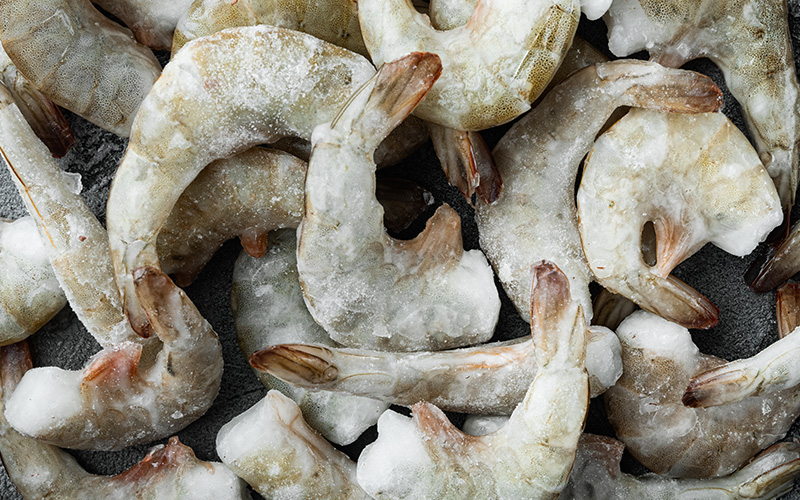
How Square Technology Supports Seafood Processors
Square Technology helps seafood processors handle shrimp and other seafood efficiently by integrating Individually Quick Freezing (IQF) systems into complete processing lines. These systems include grading, cooking, cooling, freezing, glazing, and thawing units. Because the company designs and manufactures these components in-house, each part fits together as a unified system. In practice, this reduces downtime caused by mismatched equipment and simplifies maintenance.
The company uses stainless steel enclosures, food-grade conveyor belts, and automated sanitation cycles to meet hygiene and safety regulations. Each of these materials and features prevents cross-contamination and supports consistent cleaning routines. For the processor, this means less manual labor and fewer product rejections during inspection.
Square Technology’s IQF spiral and tunnel freezers operate by moving seafood through a controlled airflow at sub-zero temperatures. This design allows the internal temperature of the shrimp to pass quickly through the critical freezing zone, which minimizes ice crystal formation. In real terms, this preserves the shrimp’s texture and appearance after thawing, which is essential for product quality on retail shelves.
By combining mechanical precision with sanitation-focused design, Square Technology provides seafood processors with systems that support both operational efficiency and regulatory compliance.
How to Get the Right Seafood Processing Solution for Your Plant
Selecting the right seafood processing solution means matching the plant’s production goals, species handled, and capacity needs with proven equipment designs and process layouts.
- Step 1 – Share Product Mix and Volumes The processor starts by providing exact data on product types (for example, shrimp, finfish, or shellfish) and expected daily throughput in kilograms. These details determine core equipment size, freezing technology, and line configuration. In practice, defining these numbers early prevents costly redesigns later.
- Step 2 – Technical Team Proposes Equipment Combination Engineers review the data and propose an equipment set such as fluidized bed plus plate freezer for IQF shrimp or spiral freezer plus immersion chiller for mixed seafood lines. Each design balances temperature control and moisture retention. Because freezing uniformity reduces drip loss, it protects yield and product appearance.
- Step 3 – Layout + Energy & ROI Discussion The team prepares a layout that shows process flow and energy use per kilogram of product. For the operator, this translates to clearer visibility of electricity and refrigerant consumption, making ROI calculations more accurate.
- Step 4 – Build, Install, Commission, and Train After approval, the supplier fabricates and installs equipment, then trains staff on operation and cleaning. This stage ensures the plant meets sanitation and safety standards required under Seafood HACCP and GMP guidelines.
NTSQUARE: Talk to our переработка морепродуктов experts, Request a custom line concept, or Get a feasibility & ROI estimate for your new seafood line.