
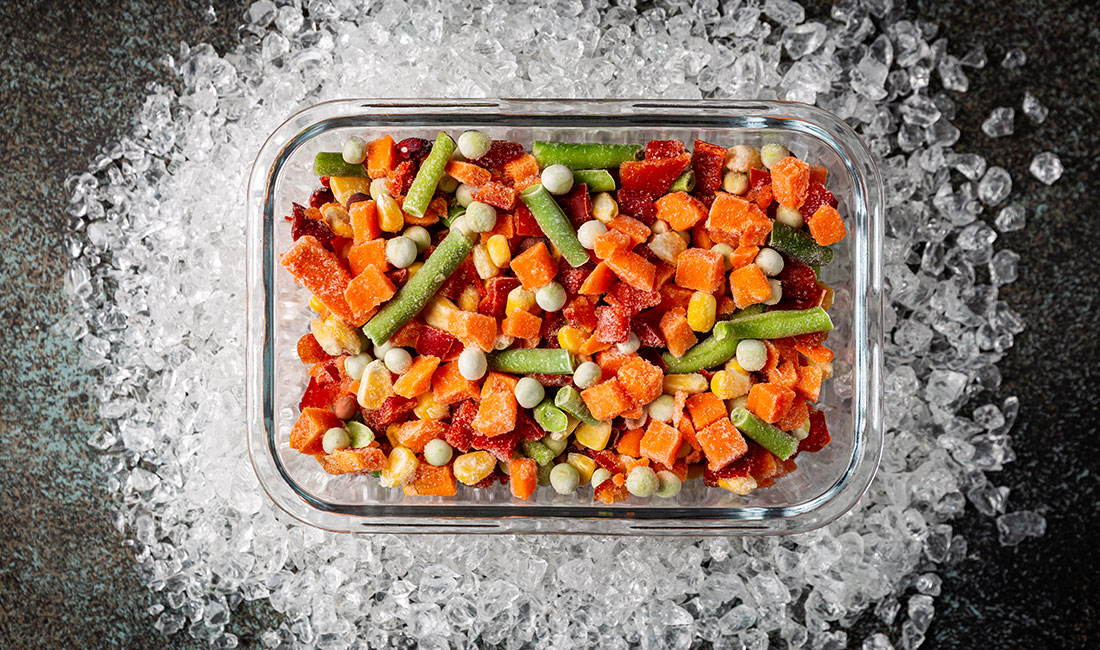
Frozen food is not inherently bad for you. Plain frozen fruits, vegetables, fish, and lean proteins retain nearly all their nutritional value, while ultra-processed frozen meals high in sodium, added sugars, and additives are the real concern. The freezing process itself preserves vitamins, minerals, fiber, and antioxidants by halting enzymatic activity and microbial growth at -18°C (0°F).
Drawing on NTSquare’s nearly four decades of industrial freezing expertise—supplying flash freezing (IQF), spiral, and tunnel systems to global food producers like Tyson Foods, Cargill, and Unilever—this guide examines how freezing affects nutrients, compares frozen vs. fresh produce, explains flash freezing technology, addresses food safety, and shows you how to make smart frozen food choices.
Is Frozen Food Actually Bad for You?
Frozen food is not bad for you. O processo de congelamento preserves nutritional value, and many frozen options contain similar levels of vitamins, minerals, and fiber as fresh foods.
Nutritional benefits of frozen foods include:
- Frozen vegetables and fruits: High in fiber, vitamins, and minerals
- Frozen fish: Rich in protein and healthy fats
- Plain frozen produce: No added preservatives needed
The freezing process itself acts as a natural preservative. This extends shelf life without chemical additives in many cases.
When selecting frozen meals, check for:
- Sodium below 600 mg per serving
- Limited added sugars
- Adequate protein (at least 10-15 grams per serving)
- 3 grams or more of fiber
Frozen foods reduce food waste and simplify meal planning. Fresh produce spoils within days, but frozen items remain safe at 0°F indefinitely. This makes it easier to keep vegetables, fruits, and protein sources on hand.
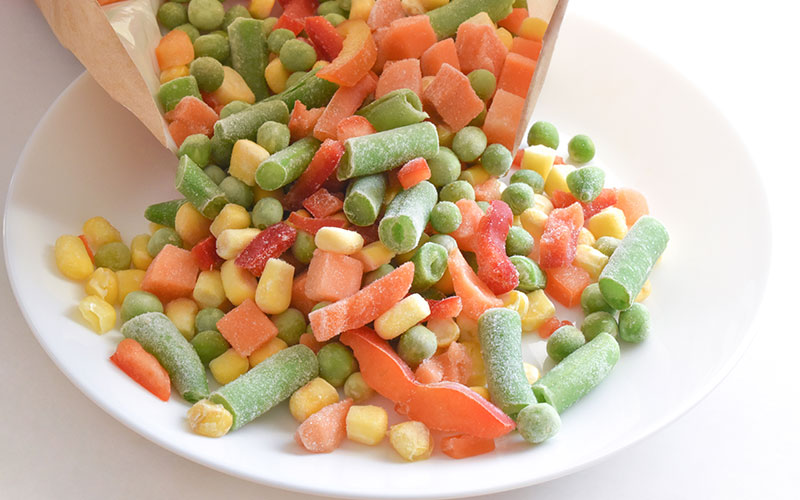
Does Freezing Destroy the Nutrients in Food?
Freezing does not destroy most nutrients in food. The process preserves vitamins and minerals by halting the chemical reactions that normally break them down at room temperature.
Water-soluble vitamins like vitamin C and B vitamins can decrease slightly during freezing, as ice crystals break some cell walls and allow leakage. The loss is typically under 10% for most foods. Macronutrients—protein, carbohydrates, and fat—stay fully intact, along with minerals like iron and calcium, fiber, and antioxidants.
Are Frozen Fruits and Vegetables Less Nutritious Than Fresh Ones?
Frozen fruits and vegetables have similar nutritional value to fresh produce. Studies show that frozen and fresh options contain comparable amounts of vitamins, minerals, and antioxidants.
Frozen produce is picked at peak ripeness when nutrient levels are highest. Fresh produce is often picked before ripening to allow time for transportation. This early harvesting means fresh items may not develop their full range of vitamins and minerals.
Nutrient losses occur during frozen vegetable processing:
- Blanching removes 10% to 80% of water-soluble nutrients
- B-vitamins decrease during escaldar
- Vitamin C content drops during blanching
Some nutrients remain unaffected by freezing. Vitamin A, fiber, antioxidants, and minerals stay at similar levels in both fresh and frozen options. Frozen vegetables stored at home can have more vitamin C than fresh vegetables stored for several days.
How Does Flash Freezing Lock In Food Quality?
Flash freezing preserves food quality by forming tiny ice crystals that protect cell structure. Regular slow freezing creates large ice crystals that damage cell walls and cause mushy textures when thawed.
The speed of freezing determines how much nutritional value stays in the food. Flash-frozen fruits and vegetables retain more vitamin C and antioxidants than produce sitting on store shelves for days. Frozen fish maintains its protein content and minerals better than fresh fish transported over long distances.
Nutrients preserved in flash-frozen foods:
- Vitamins (especially vitamin C in frozen vegetables and frozen fruits)
- Minerals like iron and calcium
- Fiber content in frozen vegetables
- Protein structure in frozen fish
The process works for different food types. Frozen fruits keep their shape and flavor for smoothies. Frozen fish stays firm instead of becoming watery. Even frozen desserts maintain better texture when frozen quickly.
Flash freezing reduces food waste by preserving seasonal produce year-round. Frozen foods simplify meal planning since they stay fresh longer than refrigerated options. This makes frozen foods practical for busy households without sacrificing nutrition.
Does Freezing Kill Bacteria in Food?
Freezing does not kill bacteria in food. It slows their growth and puts them in a dormant state, but the bacteria remain alive.
When food reaches 0°F, bacteria, yeasts, and molds stop multiplying. They enter a paused state where they cannot grow or cause foodborne illness. But they stay alive inside the frozen food.
Once someone thaws the food, these bacteria become active again. They start multiplying at the same rate as bacteria in fresh food. This means frozen foods must be handled like fresh perishable items after thawing.
Bacteria in frozen foods can survive for the entire shelf life of the product. A package of frozen vegetables stored for 12 months will still contain any bacteria that were present when it was frozen. The bacteria wait in their dormant state until the food thaws.
Freezing fish at -4°F (-20°C) for at least 7 days can kill parasites, per FDA guidelines, though home freezers may not always maintain this temperature consistently. Cooking food thoroughly remains the only reliable way to kill bacteria and parasites.
Are Frozen Meals High in Sodium, Sugar, and Additives?
Many frozen meals contain high amounts of sodium, sugar, and additives. Ultra-processed frozen pizzas, breaded entrées, and ready dinners typically contain 800–1,500 mg of sodium per serving, while plain frozen produce and unseasoned frozen seafood contain zero added sodium.
Why Frozen Meals Have High Sodium
Manufacturers add sodium to preserve food and boost flavor. The American Heart Association recommends limiting sodium to 2,300 milligrams per day. One ultra-processed frozen meal can deliver 35% to over 65% of the daily limit in a single serving.
Sugar and Fat Content
Frozen desserts and some entrees contain added sugars and saturated fats. The American Heart Association recommends limiting added sugars to 6% of daily calories. Many frozen meals exceed this amount through sauces and flavorings.
Common Additives to Watch
Frozen meals often contain these additives:
- Carrageenan – a thickening agent
- Disodium inosinate – a flavor enhancer
- Sodium benzoate – a preservative
- Partially hydrogenated oils – a source of trans fats
- Artificial food colorings
Nutritional Gaps
Most frozen meals lack adequate vegetables, fiber, and protein. Vegetables typically fill one quarter of the plate instead of the recommended half. This limits intake of minerals, vitamin C, and antioxidants found in frozen fruits and frozen vegetables.
Better Options Exist
Not all frozen foods are high in sodium and additives. Frozen fish, frozen fruits, and frozen vegetables without added sauces retain their nutritional value. These items have a long shelf life and reduce food waste during meal planning. Choose frozen meals with whole-food ingredients and under 600 mg of sodium per serving.
How Does Frozen Food Affect Your Long-Term Health?
Frozen food’s impact on long-term health depends on which types you eat regularly. Frozen fruits, frozen vegetables, and frozen fish maintain their nutritional value and can support a healthy diet for years. Frozen desserts and processed frozen meals often contain high sodium and added sugars that increase health risks over time.
Nutrient Quality in Frozen Options
Frozen fruits and frozen vegetables preserve vitamin C, antioxidants, and minerals better than fresh produce that sits for days. Frozen fish retains its protein and nutrients when stored properly. These foods deliver the same fiber, vitamins, and minerals your body needs.
Health Risks from Processed Frozen Meals
Daily consumption of processed frozen foods raises specific concerns:
- High sodium intake: High sodium intake: ultra-processed frozen meals commonly contain 800–1,500 mg of sodium per serving, raising hypertension risk
- Added preservatives: Some frozen items include artificial colors and additives
- Low fiber content: Many frozen meals lack adequate fiber for digestive health
- Excess sugar: Frozen desserts and sweetened items add empty calories
Practical Benefits for Health
Frozen foods reduce food waste and support meal planning. Their long shelf life means less spoiled produce in landfills. People who stock frozen vegetables and protein eat more nutritious foods on busy days compared to ordering takeout.
The key is choosing plain frozen fruits, frozen vegetables, and quality protein sources while limiting processed meals high in sodium and sugar. Reading nutrition labels helps identify products with under 600 mg of sodium per serving and minimal added ingredients.
When Does Frozen Food Actually Become Bad for You?
Frozen food becomes bad when it contains excessive sodium, saturated fat, or added sugars that exceed daily recommended limits. Ultra-processed frozen meals and desserts commonly contain 800–1,500 mg of sodium per serving—more than half the daily limit.
Watch for these warning signs:
- Freezer burn (dry, discolored patches)
- Ice crystals inside packaging
- Torn or damaged packaging
- Strong or off odors after thawing
Improper storage ruins nutritional value. Frozen fruits and frozen vegetables lose vitamin C, antioxidants, and other minerals when exposed to temperature fluctuations. Food stored above 0°F degrades faster, with quality declining more rapidly due to ice recrystallization and freezer burn.
Thawing food on the counter creates danger. Bacteria multiply rapidly between 40°F and 140°F. Frozen fish, protein sources, and other foods must thaw in the refrigerator, cold water, or microwave to stay safe.
Expired shelf life matters. While frozen foods stay safe indefinitely at 0°F, quality declines over time. Frozen vegetables maintain peak nutritional value for 8-12 months. Lean frozen fish keeps peak quality for 6–8 months, while fatty fish like salmon lasts 2–3 months.
FAQs
What happens if you eat frozen food every day?
Eating frozen food daily is safe when you choose plain frozen fruits, vegetables, and lean proteins. Limit ultra-processed frozen meals high in sodium, added sugars, and saturated fats. Choose options under 600 mg sodium per serving.
Are frozen foods considered processed foods?
Yes, but the processing level varies dramatically. Plain frozen fruits and vegetables are minimally processed with no added ingredients. Frozen pizzas and ready dinners are ultra-processed, containing sodium, preservatives, and stabilizers. Check the ingredient list.
Are there any side effects of eating frozen food regularly?
Side effects depend on which frozen foods you eat. Plain frozen produce, seafood, and lean proteins have no negative effects. Ultra-processed frozen meals can raise blood pressure, increase cholesterol, and contain additives like BHA and BHT.
Can you safely eat frozen food without defrosting it first?
It depends on the food type. Most frozen vegetables, fruits, and pre-cooked meals can be cooked directly from frozen. Raw meat, poultry, and fish should be defrosted in the refrigerator, cold water, or microwave—never on the counter.
Is homemade frozen food as healthy as freshly cooked food?
Yes, when frozen properly. Freezing at 0°F (-18°C) halts enzyme activity and microbial growth, preserving vitamins and protein. Use airtight containers to minimize ice crystals. Home freezers work slowly, so use within 2–3 months.
Are there any links between frozen food and cancer risk?
No, the freezing process itself does not cause cancer. Cancer risk comes from ingredients, not freezing. Processed and red meats contain compounds linked to higher cancer risk. Additives like BHA and BHT may contribute indirectly.