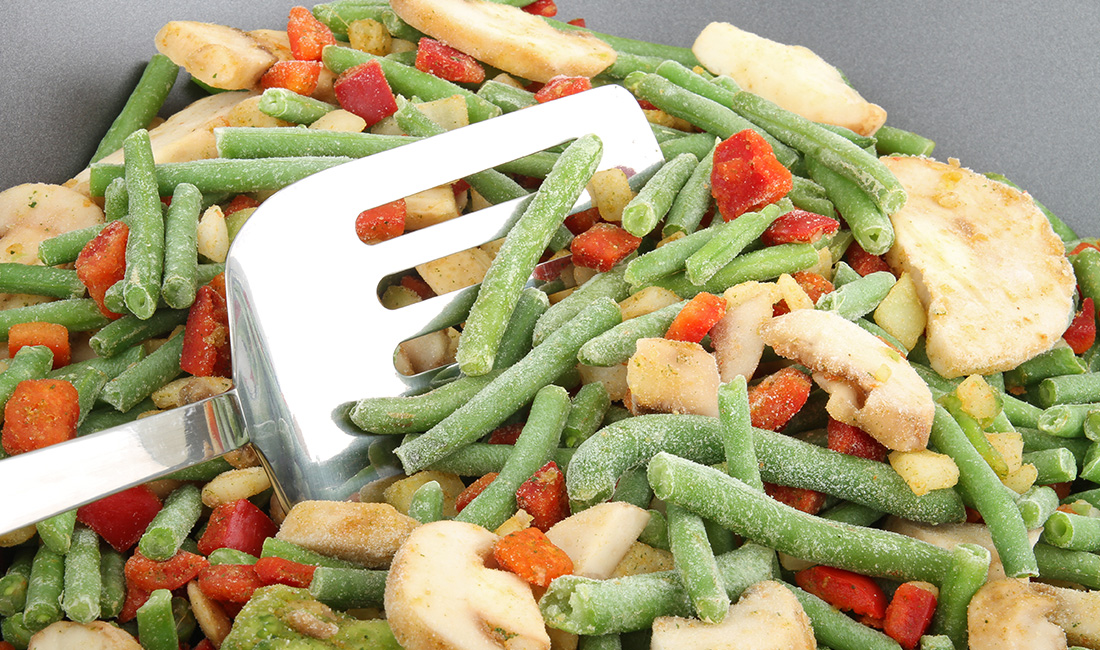
A ready meal freezing line connects every stage of production—from cooking to cold storage—to keep food safe, consistent, and ready for shipment.
It combines controlled cooling, precise freezing, packaging, and storage in a flow that preserves texture, flavor, and nutrition. In the fast-growing ready meal market, these lines help producers meet demand for convenient frozen meals while maintaining quality and safety at scale.
Modern freezing lines use technologies like spiral freezers and IQF systems to cool products quickly and evenly. By freezing rapidly at around -40°C, ice crystals stay small, so texture doesn’t get ruined.
That means lasagna, curry, or pasta holds its original form and taste when reheated. Paperboard cartons and sealed packaging shield the product from moisture and freezer burn.
Automated conveyors keep each pack moving efficiently through the line. You can see why producers rely on this kind of setup—it’s all about consistency and speed.
This article takes a look at how a ready meal moves from the cooking zone to final cold storage. We’ll break down each key stage—preparation, freezing, packaging, and carton freezing—and see how design choices impact energy use, throughput, and product quality.
Companies like NTSQUARE now provide integrated freezing line solutions tailored for different meal types and production capacities. There’s a lot more variety in these lines than you might expect.
What are Freezing Lines and why they Matter For Modern Ready Meal Producers
Freezing lines are integrated systems that move ready meals from the final stage of cooking through freezing, packaging, and into cold storage. Each stage—cooling, spiral or tunnel freezing, carton freezing, and storage—works together to maintain product safety and texture.
These lines help food reach the correct core temperature fast enough to prevent bacterial growth without harming the meal’s appearance or flavor. Modern freezing lines often use spi̇ral dondurucular veya bireysel hızlı dondurma (IQF) tunnels.
A spiral freezer uses a continuous belt that passes through chilled airflow. Since the belt coils vertically, it saves floor space and freezes products evenly as they move through.
This results in smaller ice crystals that preserve the food’s structure, making the reheated meal taste more like it was just made. Speed and temperature control matter because they directly affect both safety and shelf life.
For example, a freezer line that drops a meal’s temperature from 70°C to −18°C within 90 minutes meets widely accepted safety standards. It also reduces drip loss after thawing, so producers keep product weight and appearance consistent for retail packaging.
Typical stages in a ready meal freezing line:
- Cooking & Cooling: Brings meal to stable temperature before freezing
- Primary Freezing: Rapidly reduces core temperature to stop microbial growth
- Carton Freezer: Freezes packed meals for storage handling
- Cold Storage: Keeps products below −18°C until distribution
For producers, these connected steps mean predictable quality, simpler compliance with food regulations, and better use of production capacity. It’s a system that just makes sense if you’re moving a lot of product.
Overview Of A Typical Ready Meal Freezing Line
A ready meal freezing line starts immediately after cooking and portioning. Each meal passes through a controlled cooling step that lowers its temperature quickly to prevent bacterial growth before freezing.
This step safeguards texture and taste by avoiding slow cooling that causes moisture loss. Next, meals enter a spiral or IQF freezer.
A spiral freezer uses a continuous stainless-steel belt that moves trays upward through extremely cold air, often between -30°C and -40°C. Because the airflow circulates evenly, the meals freeze at a consistent rate across every batch.
This uniform freezing keeps sauces, vegetables, and proteins from separating or forming ice crystals that harm texture. After freezing, meals go to the carton packing area, where an automated or semi-automated system seals them in packaging designed for low-temperature durability.
For example, polyethylene-based films maintain flexibility even at -40°C. This prevents cracks that could let air or moisture inside.
For the operator, this means a lower risk of freezer burn during storage and transport. The final step is cold storage, usually kept between -18°C and -25°C.
These rooms use temperature monitoring and airflow control to keep stable conditions. The product stays safe and consistent until shipment.
Typical line components include chillers or blast coolers for cooling, spiral or IQF freezers for rapid, uniform freezing, carton or tray sealers for packaging, and cold rooms for storage. Each piece plays a role in keeping everything moving smoothly.
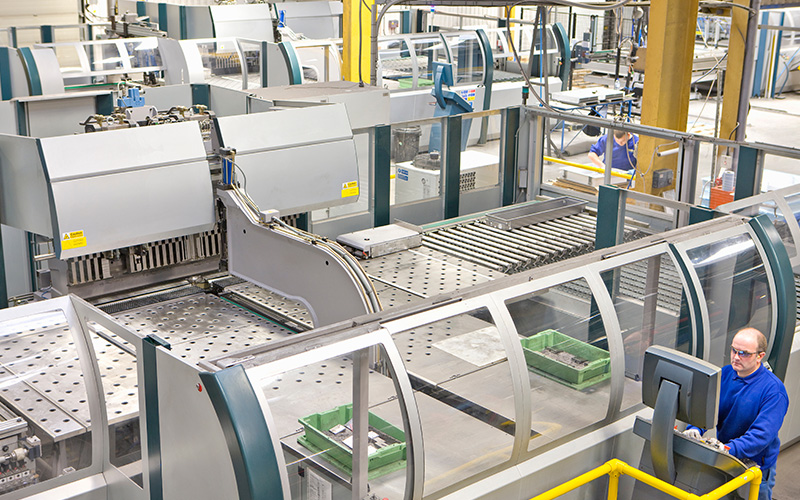
From Cooking To Cooling: Preparing Ready Meals For Freezing
Cooking lines for ready meals often use continuous spiral or linear ovens, fryers, or steamers. These systems keep a steady core temperature across all batches, helping each portion reach a safe internal temperature.
Consistent heat treatment prevents uneven cooking that could later affect freeze quality. Once cooked, rapid cooling becomes critical.
Hot meals move through spiral or ambient cooling conveyors to bring the product temperature down from about 90 °C to below 10 °C before entering the freezer. This step blocks condensation and limits bacterial growth.
Controlled cooling ensures food safety and preserves texture by halting overcooking from residual heat. For the operator, every transition point matters.
By cooling meals evenly before freezing, they minimize ice crystal formation, which can otherwise damage cell structure in meats, vegetables, and sauces. The result? A frozen product that keeps its intended texture and taste once reheated—no need for extra preservatives.
Spiral & IQF Freezing For Ready Meals
Spiral and Individually Quick Frozen (IQF) systems let ready meals cool rapidly after cooking.
IQF freezing is a process where individual pieces of food are rapidly frozen so they remain separate. The IQF method prevents product clumping and helps maintain taste and texture through storage and reheating.
A spiral dondurucu uses a continuous stainless steel belt wound vertically in a spiral, saving floor space and providing long retention time. Air circulates evenly across multiple tiers, so products hit the target core temperature of about −18°C within a controlled time frame.
In practice, this means meals keep uniform quality and shape even during high‑volume production. Self‑stacking spiral models cut out the need for support rails between tiers, which means fewer contact surfaces and a lot less cleaning time.
Many designs include built-in Clean‑in‑Place (CIP) functions with preset wash cycles, so processors can sanitize without taking equipment apart. For operators, this means shorter downtime and more consistent hygiene—always a relief.
These systems can handle microwave meals, airline trays, and pouch formats. Because freezing happens fast and evenly across layers, ready meals keep their structure, color, and portion separation until they reach the carton freezer or cold storage stage.
From Frozen Pack To Carton: Packaging And Product Flow
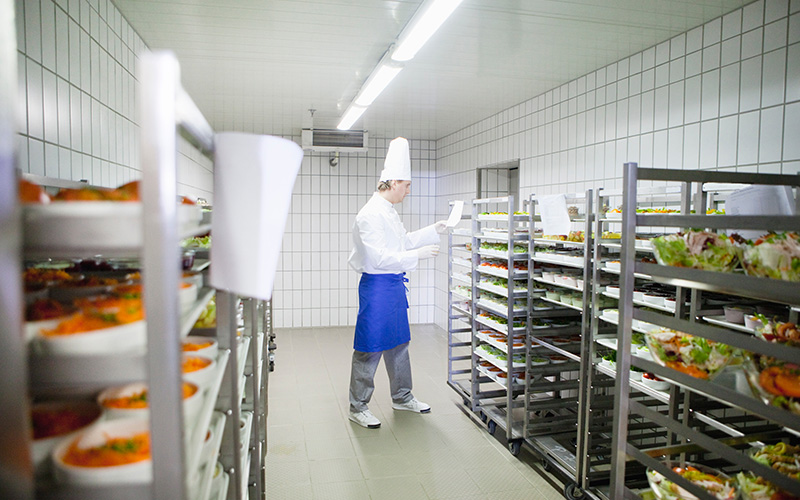
After freezing, meals head from the cooling section into the packaging zone. Automation takes over here to keep everything moving smoothly and consistently.
Each pack goes through portioning, sealing, and labeling. These systems keep everything at the required -18°C temperature standard so nothing thaws during packaging.
Manufacturers choose paperboard trays, polyethylene pouchesve aluminum foil wraps for their different protective qualities. Polyethylene film, for instance, blocks moisture and helps prevent freezer burn.
Aluminum foil adds extra light and oxygen protection, which can stretch out shelf life. Paperboard cartons get a thin layer to resist moisture, so they stay sturdy in cold storage.
Next, the line groups individual packs into cartons. Automated case packers line up frozen packs by weight or shape before loading them in.
Equipment seals cartons using hot-melt adhesives that stay sticky even at subzero temps. This seal holds up during storage and transport, even if things get bumpy.
All this stability means less product damage and less rework for the team. Once sealed and coded, cartons ride a conveyor to the karton dondurucu veya cold storage area, keeping that frozen chain unbroken until distribution.
Carton Freezer: Deep Freezing Boxed Ready Meals
A carton freezer is a type of industrial freezer specifically designed to freeze products packaged in cartons or boxes. The carton freezer takes over to finish deep-freezing ready meals after cooking and initial chilling. Meals arrive already packed in cartons, totes, or shrink-wrapped trays.
This unit uses horizontal airflow across several levels, freezing everything evenly and protecting the packaging. The idea is that both the core and surface of each boxed meal hit the target temperature without cold spots or ice crusts.
Most of these freezers run on CO₂ veya amonyak refrigeration. They deliver low temperatures down to about −35 °C.
Bu controlled airflow keeps cartons rigid, so boxes don’t get crushed or deformed. That makes stacking and downstream automation, like robotic palletizing, much easier.
Modern carton freezers come with Multiple Retention Time (MRT) veya Variable Retention Time (VRT) functions. MRT gives a standard freezing cycle, while VRT lets you tweak dwell time for different meals.
This flexibility matters if you’re freezing entrees in different sizes or with sauces that set up at different rates. Typical features include horizontal airflow for even freezing, automated infeed/outfeed for smooth conveyor links, and batch tracking for traceability.
Cold Storage: Keeping Frozen Ready Meals Stable
Cold storage keeps frozen ready meals safe and stable after packaging. It holds products at −18°C (0°F) or colder to stop microbes and slow down chemical changes that could mess with flavor or color.
Modern cold rooms use PIR (polyisocyanurate) insulated panels for walls and ceilings. These panels have low thermal conductivity (about 0.022 W/m·K) and a closed‑cell structure above 90 %, which cuts down on heat transfer and moisture leaks.
With solid insulation, energy use stays predictable and frost doesn’t pile up. For operators, that means stable product temperatures and less strain on compressors.
Bu cold room envelope—walls, ceiling, floor insulation, and vapor seal—blocks air leaks and condensation. Keeping things airtight protects both temperature and food hygiene.
A good envelope design means freezing conditions stay reliable, even if doors open often. Storage areas usually use PLC‑controlled refrigeration systems hooked up to ammonia, CO₂, or Freon compressors.
These systems handle temperature, alarms, and energy output based on product load. Automated controls save time and help stick to food safety rules.
Designing A Ready Meals Freezing Line: Key Considerations
Building a hazır yemekler freezing line is all about balancing capacity, quality, and energy use. Every step, from cooking to cold storage, relies on how well you tie together mechanical, thermal, and hygiene systems.
Capacity and Product Mix
Capacity depends on output (in kg per hour), tray size, and how many product SKUs you run. Engineers design lines to handle peak loads without creating bottlenecks.
For operators, that means shorter cycles and steady flow, even when demand spikes. Footprint and Layout
Layout changes with facility space. Spiral freezers fit tall but tight spaces, while tunnel freezers need more length. The choice often comes down to ceiling height and how you want conveyors to run.
Where you place equipment—from cooking to freezing to packing—affects both product flow and worker safety. Hygiene and Food Safety
Hygienic design is a must. Self‑stacking spiral freezers often have automatic cleaning, cutting down on manual labor. PIR panel cold rooms resist mold and clean up easily.
This setup helps meet food safety rules and lowers contamination risks. Energy Efficiency and Defrost Strategy
Evaporators with Air Defrost (ADF) systems stretch runtime between defrosts by 150–200%, which means less downtime. Good insulation and right-sized compressors reduce refrigeration loads.
Operators get lower energy bills and longer equipment life, all while keeping freezing performance steady.
What NTSQUARE Offers: One-Stop Ready Meal Freezing Solutions
NTSQUARE covers the whole ready-meal freezing line, from cooking through to cold storage. They design and build spiral freezers, tunnel freezers, impingement systems, and carton freezers that link directly with upstream cooking and packaging.
This integration cuts down on product handling and helps keep freezing conditions consistent. Each spiral freezer uses a low-tension double-drum design with infeed and outfeed at floor level.
That makes loading and unloading easier, and the system fits into most factory setups without big changes. The double-drum approach also keeps airflow stable, so freezing stays uniform across trays, pouches, and bulk packs.
NTSQUARE’s IQF (Individual Quick Freezing) tech uses controlled cold air around each piece. This stops clumping and keeps the surface texture of ready-to-eat meals looking good.
It helps producers keep visual appeal and portion control after reheating. The company also offers carton freezers with horizontal airflow for boxed or bagged products.
These systems include smart control modules for temperature tracking and traceability. For operators, that means easier monitoring and simpler food safety compliance.
How To Start Your Ready Meals Freezing Line Project With NTSQUARE
Starting a ready meals freezing line really comes down to understanding your product flow. You go from cooking, to freezing, and finally to packing.
NTSQUARE steps in here, designing equipment that fits your output rates and product types. They don’t just offer a one-size-fits-all solution—they actually tailor each stage to what you need.
The company relies on Bireysel Hızlı Dondurma (IQF) ve double-drum spiral freezer tech. That spiral tasarım moves food vertically, which saves a ton of floor space.
It’s pretty clever. You can freeze whole meals or big protein portions without needing a massive plant. That means you get efficient use of your area and you don’t have to stop the line all the time.
Before anything gets installed, NTSQUARE’s engineers check out things like product size, freezing temperature, and line speed. They use this info to pick the right freezer setup and cold storage size.
In practice, this keeps temperature control steady. You don’t get much ice buildup, and energy use per kilogram stays reasonable.
Usually, you’ll see a setup like this:
- Cooking/Preparation: Cookers and portioning units get the meals ready for freezing.
- Spiral Freezer: Low-tension or self-stacking drum freezes the meals fast and evenly.
- Carton Freezer: An enclosed system stabilizes the core temperature before storage.
- Cold Storage: Insulated chambers keep everything at the target temperature for the long haul.
Each stage connects with the next using automatic conveyors and sensors. These systems share data on load and temperature, so operators can tweak production speed or maintenance as needed.
For manufacturers, this setup brings predictable output and better traceability all the way from cooking to cold storage. Not bad, right?