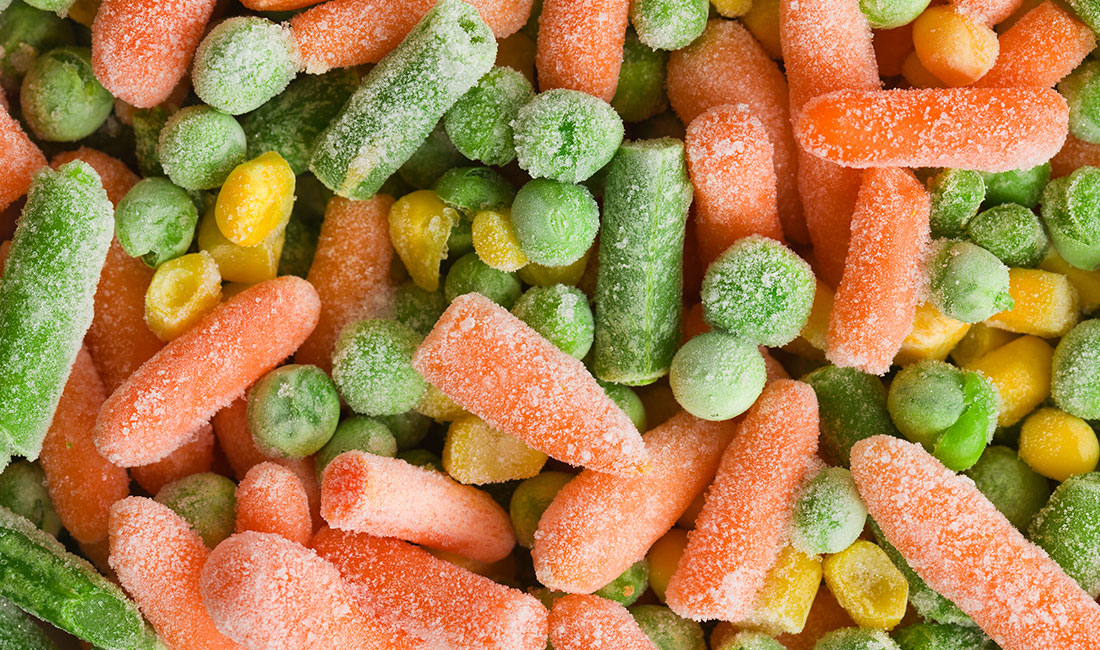
Frozen food stored at 0°F (-18°C) or below remains safe to eat indefinitely, but quality typically peaks for 2 to 12 months depending on the food type. Ground meat keeps for 3-4 months, whole poultry for up to 12 months, and frozen fruits and vegetables for 8-12 months. The difference between “safe” and “good” comes down to ice crystal formation, oxidation, freezer burn, and recrystallization during storage.
Drawing on NTSquare’s nearly four decades of industrial freezing expertise—supplying flash freezing (IQF), spiral, tunnel, and plate freezer systems to global food producers—this guide explains category-specific shelf life, why commercial freezing outlasts home freezing, how to spot spoilage, and proven storage techniques to extend freezer life.
How Long Does Frozen Food Actually Last?
Frozen food stored at 0°F or below remains safe to eat indefinitely. The USDA confirms that freezing foods at this temperature prevents bacterial growth permanently.
Quality declines over time, even when food stays safe. Frozen foods develop freezer burn, lose flavor, and change texture after several months. The storage timeline depends on the type of food.
Label all frozen items with the date. Use older items first to maintain the best quality.
Is “Safe to Eat” the Same as “Still Good to Eat”?
No. Safe and good are not the same when it comes to frozen food. Frozen food stored at 0°F remains safe to eat indefinitely. Bacteria cannot grow at freezing temperatures, which means the food will not make someone sick.
But safety does not guarantee quality. Frozen food loses flavor, texture, and color over time. The longer something stays frozen, the worse it tastes.
The Quality Problem
Freezer burn causes most quality issues in frozen food. It happens when air reaches the food’s surface and pulls out moisture. This creates dry spots and ice crystals on the food. Food with freezer burn is still safe to eat. The taste and texture just suffer.
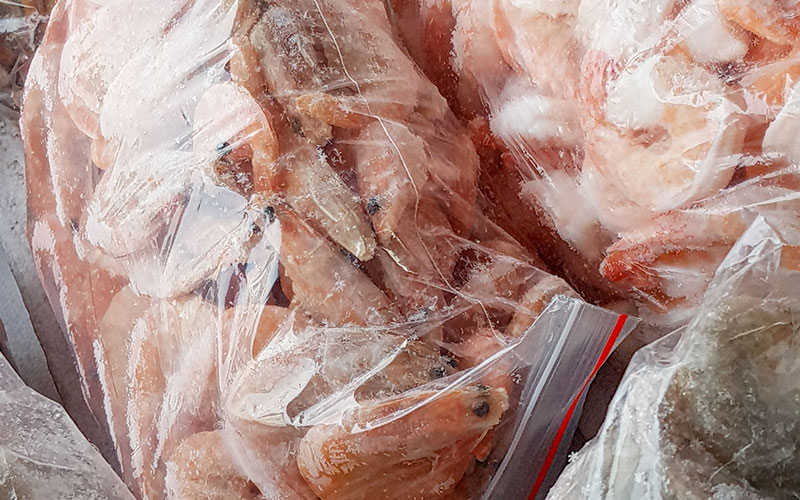
How Long Quality Lasts
Different foods keep their quality for different lengths of time:
- Uncooked chicken: 12 months
- Uncooked ground meat: 3 to 4 months
- Cooked meat: 2 to 6 months
- Ice cream: 1 to 2 months
After these periods, the food remains safe but starts tasting worse.
How Long Does Each Type of Food Last in the Freezer?
Different foods last different amounts of time in the freezer before quality drops. Storage times range from 1 month to 12 months depending on the food type.
Meat and Poultry
Ground meats last 3 to 4 months in heavy-duty freezer bags. Beef steaks, chops, and roasts stay good for 4 to 12 months. Whole chicken or turkey lasts 1 year, while chicken pieces last 9 months. Fresh sausage keeps for 1 to 2 months.
Seafood
Fatty fish like salmon and tuna last 2 to 3 months when frozen. Lean fish such as cod and halibut stay fresh for 6 to 8 months. Shrimp maintains quality for 6 to 18 months in proper frozen food storage.
Processed Meats
Hot dogs and luncheon meat last 1 to 2 months in the freezer. Bacon keeps for 1 month. Cooked ham stays good for 1 to 2 months when wrapped properly.
Prepared Foods
Cooked leftovers last 2 to 6 months in freezer bags. Pizza keeps for 1 to 2 months. Soups and stews with meat or vegetables stay fresh for 2 to 3 months. Casseroles maintain quality for 2 to 3 months after baking.
Other Items
Raw egg whites and yolks last 12 months when beaten together before freezing foods. Egg substitutes keep for 12 months unopened. Commercial eggnog stays good for 6 months.
All times assume food is stored in airtight containers or heavy-duty freezer bags at 0°F or below.
What Causes Frozen Food to Lose Quality Over Time?
Frozen food loses quality because of physical and chemical changes that happen during storage. These changes affect texture, flavor, and appearance even when food stays safely frozen at 0°F.
Common quality problems in frozen food storage:
- Moisture loss and dry texture
- Color changes and discoloration
- Flavor deterioration
- Ice crystal formation
- Loss of crispness in breaded items
Freezer burn is the most common problem. It happens when air reaches the food’s surface and causes moisture to evaporate. This leaves dry, discolored patches that taste bland or stale.
Ice crystals form and grow larger during storage. Small crystals expand over time, breaking through cell walls in the food. This damages the food’s structure and leads to mushiness when thawed.
Temperature fluctuations speed up quality loss. When freezer temperatures rise and fall, ice crystals melt slightly and then refreeze. Each cycle weakens the food’s texture and causes more moisture loss.
Oxidation affects frozen foods even at low temperatures. Fat in meat and other foods reacts with oxygen, creating off-flavors and odors. Proper packaging slows this process but doesn’t stop it completely.
Why Does Commercially Frozen Food Last Longer Than Home-Frozen Food?
Commercially frozen food lasts longer than home-frozen food because industrial freezers freeze items faster and at colder temperatures. Home freezers typically operate at 0°F, while commercial blast freezers reach temperatures as low as -40°F and freeze food in minutes instead of hours.
Fast freezing creates smaller ice crystals inside the food. Slow freezing in home freezers creates large ice crystals that damage cell walls and affect texture when thawed.
Commercial advantages include:
- Specialized packaging that blocks air and moisture
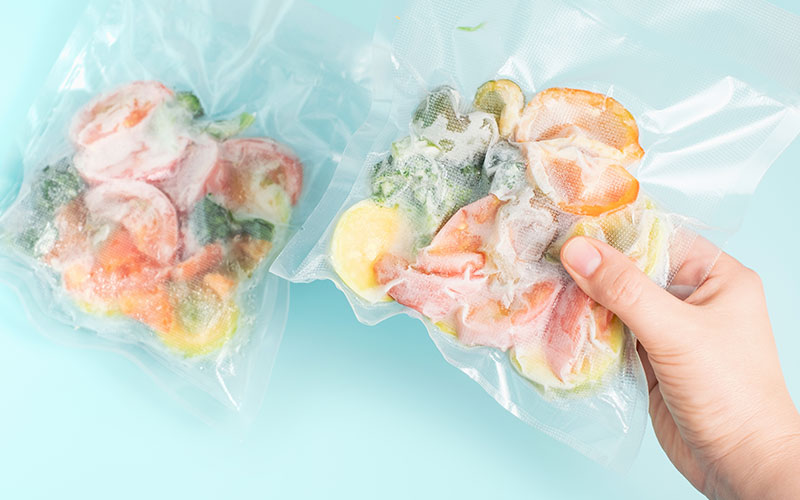
- Vacuum sealing that removes oxygen
- Flash freezing that locks in nutrients and flavor
- Temperature-controlled storage throughout distribution
Home freezers face challenges that reduce storage time. The door opens frequently, causing temperature fluctuations. Most people use regular plastic bags or containers that allow air to reach the food.
Air exposure leads to freezer burn, which appears as dry, discolored patches on frozen food. Freezer burn happens when moisture escapes from the food surface and ice crystals form on the outside. The food remains safe to eat but tastes bland and feels tough.
What Factors Determine How Long Your Frozen Food Actually Lasts?
The type of food, packaging method, and freezer temperature control how long frozen items stay good. Different foods have different structures that handle freezing in different ways.
Packaging is the biggest factor you can control. Airtight containers and vacuum-sealed bags keep food fresh much longer than regular plastic bags with air inside. Air exposure causes freezer burn, which happens when frozen water turns into vapor and leaves the food’s surface. This creates dry, discolored patches that ruin texture and flavor.
The food type matters because of water and fat content. Raw meat lasts 4 to 12 months depending on the cut. Ground meat only lasts 3 to 4 months because more surface area is exposed to air. Cooked foods last 2 to 6 months since cooking breaks down some structures.
Freezer temperature stability prevents quality loss. Opening the freezer frequently or storing food during power outages lets temperatures rise. This causes partial thawing and refreezing, which forms large ice crystals and damages food structure.
How Can You Tell if Frozen Food Has Gone Bad?
Frozen food shows it has gone bad through freezer burn, bad smells, and changes in color or texture. These signs mean the качество продуктов питания has dropped, even if it’s still safe to eat.
Freezer burn is the most common problem with frozen food storage. It appears as ice crystals on the surface and creates dry, grayish patches on meat and vegetables. Freezer-burned food is safe to eat but tastes bland or tough.
Check for these warning signs:
- Ice crystals covering the entire package
- Dried, tough texture on the surface
- Gray or brown discoloration on meat
- Sour or rancid smell when thawed
- Slimy or rubbery texture after defrosting
The smell test works well for identifying bad frozen food. Thaw a small portion and smell it. Food that smells off, sour, or unusual should be thrown away.
Color changes also signal problems. Meat that turns gray or brown has likely been stored too long. Vegetables that look faded or have dark spots have deteriorated.
How Do You Extend the Shelf Life of Frozen Food at Home?
Proper home freezing extends shelf life by preventing freezer burn, ice crystal formation, and temperature fluctuations. The key is to seal out air, freeze fast, store cold, and rotate consistently. Follow these proven techniques to keep frozen food at peak quality for months.
Best practices for maximizing frozen food shelf life at home:
- Use moisture-vapor resistant packaging — heavy-duty freezer bags, rigid plastic containers, or freezer-grade aluminum foil. Regular plastic wrap and storage bags do not protect food well enough.
- Remove all air before sealing — press out air pockets or use a straw to suck out excess air to prevent ice crystals on the food surface.
- Cool cooked foods completely before packaging — hot food creates moisture inside containers, leading to ice buildup and quality loss.
- Leave 1/2 inch of headspace in rigid containers so food can expand without breaking the seal.
- Label every package with the food name and date using freezer tape or cold-resistant markers.
- Maintain 0°F (-18°C) or below — verify with a freezer thermometer monthly.
- Blanch vegetables before freezing to deactivate enzymes that break down color, flavor, and nutrients even at freezing temperatures.
- Rotate using first-in, first-out (FIFO) — place new packages behind older ones and use the oldest items first.
- Avoid overloading with warm food — add no more than 2–3 pounds of unfrozen food per cubic foot of freezer space within 24 hours to prevent temperature spikes.
Часто задаваемые вопросы
How long is frozen food safe to eat during a power outage?
A full freezer keeps food safe for 48 hours and a half-full freezer for 24 hours if the door stays closed. Food still containing ice crystals or at 40°F (4°C) or below can be safely refrozen. Discard anything above 40°F for over 2 hours.
Can you eat frozen food past its expiration date, and for how long?
Yes, frozen food stored at 0°F (-18°C) remains safe indefinitely—package dates indicate quality, not safety. Quality declines over time: uncooked whole chicken keeps peak quality for 12 months, chicken parts for 9 months, ground meat for 3–4 months, and cooked meat for 2–3 months.
How long can frozen groceries sit in a car before they become unsafe?
Frozen groceries become unsafe after 2 hours above 40°F (4°C), or 1 hour if temperatures exceed 90°F (32°C). Items still containing ice crystals or measuring 40°F or below remain safe to refreeze. Check each item individually—smaller packages thaw faster than larger ones.
How long can you store different types of meat in the freezer?
Storage times vary by type at 0°F (-18°C): uncooked roasts, steaks, and chops last 4–12 months, ground meat 3–4 months, and cooked meat 2–3 months. Bacon, sausage, ham, hot dogs, and lunch meats keep best quality for 1–2 months. Wild game lasts 8–12 months.
Is it safe to eat meat that has been frozen for two years?
Yes, meat frozen continuously at 0°F (-18°C) for two years remains safe to eat, but quality often suffers. Expect freezer burn, off odors, or texture changes. Discard if it smells rancid after thawing. Acceptable but lower-quality meat works well in soups or stews.
What are the signs of freezer burn, and does it make food unsafe to eat?
Freezer burn appears as grayish-brown leathery patches caused by air contact with the food surface—but it does not make food unsafe to eat. Simply cut away the affected areas before cooking. Heavily freezer-burned food can be discarded for quality, not safety, reasons.