
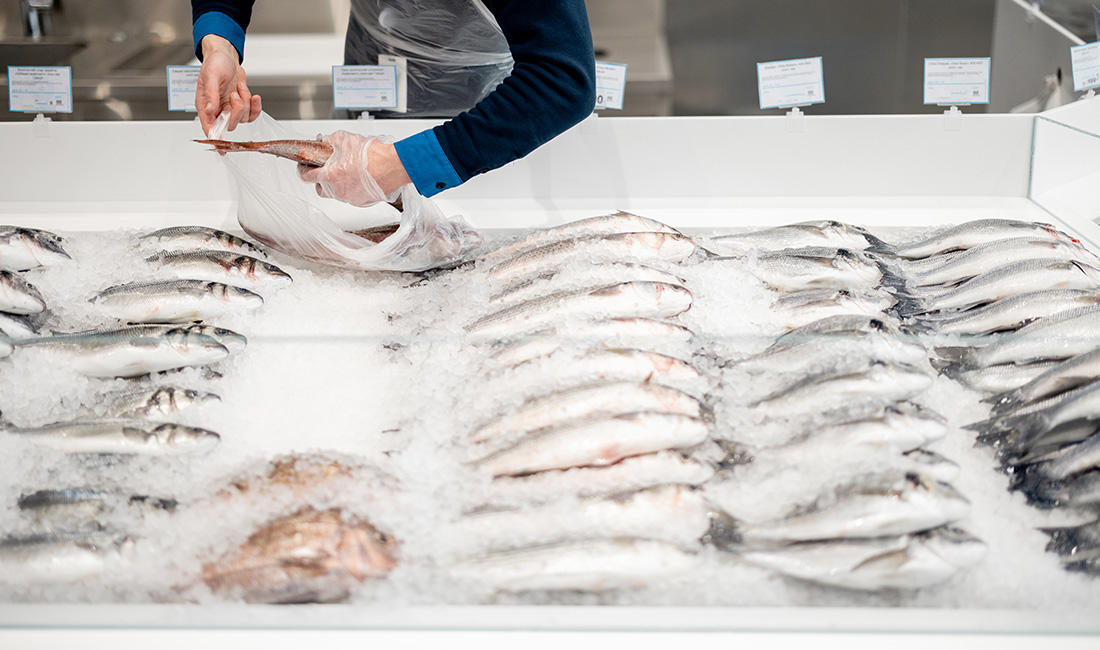
Successful seafood processing really hinges on using equipment built for every stage—from cleaning and filleting to freezing and packaging. Precision, hygiene, and efficiency aren’t just buzzwords here; they’re non-negotiable. The right tools cut down on waste, boost yield, and keep things safe, all while protecting the flavor and texture folks expect. Companies like Marel, JBT, and Cabinplant lean on stainless steel builds and smart workflows to keep things running smoothly, even when the going gets tough.
Seafood plants count on advanced freezing systems such as IQF, plate, and immersion technologies to lock in freshness and keep products separate. For those value-added items, industrial fryers and automated coating systems deliver consistent results and meet food safety rules. Each piece of equipment plays a role in controlling temperature, moisture, and handling speeds, all of which directly impact quality and cost.
This guide digs into why equipment choice matters, where each processing technology fits, and how to pick the right freezer or fryer for your plant’s needs. It also touches on how top suppliers help with compliance, sanitation, and long-term efficiency so processors can stay sharp in a fast-paced seafood market.
Porque é que o equipamento certo é importante no processamento de marisco
Seafood spoils faster than most other proteins. Its delicate texture and high moisture mean that temperature control and timing are absolutely critical.
If your equipment can’t keep things at the right temperature, even a short delay can cause spoilage or ruin the texture. Poor freezing or slow processing leads to drip loss, where cell walls break and liquid leaks out as the product thaws. That’s a double whammy: you lose yield and the taste and color take a hit.
Rapid freezing systems that hit -40°C in minutes help lock in moisture and structure. For processors, this translates to fewer rejects and more consistent products.
Food safety is another big deal. Stainless steel equipment made from 316-grade material stands up to saltwater and harsh cleaning agents. This not only lowers contamination risk but also means less downtime for maintenance. Smooth welds and rounded corners keep debris from building up, making sanitation easier and helping meet HACCP guidelines.
Modern tech like plate freezers, continuous band saws, and automated grading systems really change the game. These machines keep temperatures steady and cuts consistent, so you meet retailer and export specs for size, weight, and freshness.
Here’s a quick rundown of key equipment types:
- Plate Freezer: Rapidly freezes fillets or blocks, helping preserve texture and color.
- Conveyor Deboner: Removes bones from fish fillets, which speeds up processing.
- Glazing Machine: Adds a protective ice coat, extending freezer shelf life.
Choosing equipment that fits your product type, capacity, and safety needs is the best way to keep quality high and operations reliable.
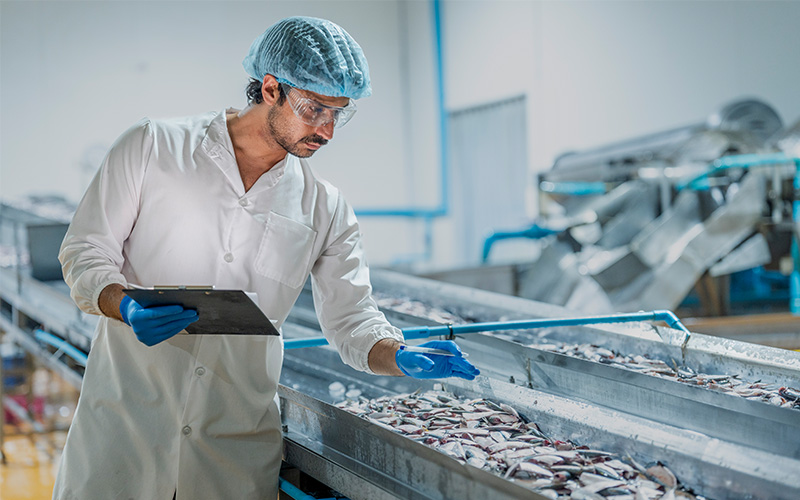
Core Seafood Processing Technologies And Where They Fit In Your Line
Seafood processing lines follow a logical flow, turning raw catch into safe, ready-to-ship products. Each system has a job and uses specific tech to keep the product in top shape from dock to dinner table.
1.Receiving, Washing, and Grading
This first step uses conveyors, graders, and washers built with 316L stainless steel. That metal resists salt corrosion, so bacteria can’t get a foothold and the equipment stays clean. Operators spend less time on maintenance and more time processing seafood safely.
2.Cooking and Value-Add Stages
Thermal systems like fryers and steam cookers prepare breaded shrimp, fillets, or other items before freezing. These cookers use PID temperature controllers to keep the heat steady, so texture and color stay consistent. That kind of control helps cut down on overcooking and waste.
3.IQF (Individual Quick Freezing)
IQF tunnels—spiral, fluidized bed, or impingement—blast seafood with -40 °C air streams, freezing it in minutes. Each piece freezes on its own, so ice crystals stay small and the flavor and shape are preserved. The result? Thawed seafood that tastes and looks like it was never frozen.
4.Block and Plate Freezing
Plate freezers squeeze product packs between cold metal plates, applying even pressure and temperature. This makes dense, uniform blocks that are perfect for bulk or export packaging. Even freezing cuts down on internal cracks and boosts yield in later steps.
5.Immersion and Final Chilling
Immersion systems use brine or glycol baths for prawns and fillets. This method cools things down fast and leaves a smooth finish. Afterward, glazing, packing, and cold storage wrap up the chain, protecting moisture until the product hits the market.
IQF Freezers For Seafood: Keeping Every Shrimp And Fillet Separate
Individual Quick Freezing (IQF) freezes each piece of seafood separately, not in a big block. By hitting shrimp, fish fillets, or calamari with super-cold, fast-moving air, processors keep the natural shape and texture. Every item freezes on its own surface, which makes handling and portioning a breeze.
The magic is in the speed. Rapid freezing creates tiny ice crystals inside the seafood, so cell walls don’t get wrecked. Thawed shrimp stay firm, and fillets keep their color and moisture, so you get less drip loss when cooking or packing.
Here are the main types of IQF systems:
- Tunnel Freezer: Freezes seafood with high-speed airflow around –35 °C, stabilizing the core near –18 °C. Uses forced air through tunnels. Great for shrimp and delicate fillets.
- Spiral Freezer: Moves products on a spiral belt for continuous freezing. Uses vertical airflow in stacked layers. Handles larger capacities and mixed product formats.
- Fluidized Bed Freezer: Suspends small items on a cushion of cold air to keep pieces separate. Uses air fluidization. Best for loose shrimp or diced fish.
- Impingement Tunnel Freezer: Blasts products with high-velocity cold jets for ultra-fast surface freezing. Uses air jets from above. Handy for shrimp that need a thin ice glaze.
These designs strike a balance between speed and delicacy. Freezing quickly but gently means processors keep yield high and waste low, avoiding dehydration. In practice, that means fewer rejected batches and seafood that looks and tastes fresh.
Congeladores de placas para blocos e marisco a granel
Plate freezers use flat or vertical metal plates to clamp product packs between them. Refrigerant runs inside the plates, pulling out heat through direct contact. This setup shortens freezing time since conduction is just way more efficient than blowing cold air around.
Plants use these for fish blocks, surimi, shrimp, or packed fillets. Operators load trays or cartons into the plates, which close with even pressure. The surfaces stay level, so blocks freeze into neat, stackable shapes.
The two main types of plate freezers are:
- Vertical Plate Freezer: Best for bulk products like whole fish or loose seafood. Plates move vertically, saving space and freezing several blocks at once.
- Horizontal Plate Freezer: Used for carton-packed seafood or fillets. Plates stack horizontally, allowing even compression and easy removal of blocks.
Direct conduction through aluminum or stainless-steel plates delivers uniform cooling, keeping temperature swings within just a few degrees. Even heat removal on both sides keeps texture and moisture loss to a minimum.
These systems use less energy per kilogram than blast or tunnel freezers. For operators, that means lower running costs over time. The sturdy plate construction lasts for years, making them a solid choice for factories churning out big volumes of frozen seafood for storage or export.
Congelamento por imersão e outras tecnologias especializadas
Immersion freezing drops seafood like shrimp or small fish straight into a chilled liquid, usually brine or food-grade glycol. The liquid touches every part of the product, so it freezes fast and evenly—heat just moves out quicker in liquid than in air.
Processors get shorter freezing times and more control over texture after thawing. This really matters for small or delicate seafood, where you want things to stay in good shape.
Take shrimp or sardines. They freeze without those ugly surface ice patches you sometimes see. But you do need to keep an eye on brine levels and temperature, or you risk weird flavors or patchy freezing.
Here are three freezing methods:
- Immersion freezing uses cold liquid for direct heat exchange. It’s best for shrimp, small fish, and squid, but you’ll need to manage liquid handling and cleaning.
- IQF air systems blast cold air to freeze items separately, great for fillets and odd shapes, though they’re a bit slower.
- Plate freezers press products between chilled plates—works well for blocks or fillets but isn’t ideal for tiny items.
Immersion setups cost less to run at a small scale since they just need compact tanks and basic controls. If you’re running a big operation, though, individual quick freezing (IQF) air systems push out more product per hour.
Some processors use advanced cryogenic or hybrid systems with liquid nitrogen or carbon dioxide for super-fast cooling. These options give you crazy-precise temperature control, but they aren’t cheap, so folks usually save them for premium or specialty seafood.
Fritadeiras e processamento de marisco de valor acrescentado
Fryers are a game-changer if you’re making value-added seafood like breaded shrimp, coated fillets, or snacks. They keep the oil right on target—within about ±1°C—which means you get the same crispy color and texture every time.
This level of control keeps things looking good and cuts down on waste. Oil quality matters a lot, too. Most industrial fryers run continuous filtration systems that catch crumbs and tiny bits as the oil circulates.
Cleaner oil means fresher-tasting food and fewer oil changes, so you save money and downtime. It really adds up.
A smart production line connects the fryer straight to a cooler and then an IQF (Individually Quick Frozen) freezer. Cooling stops the cooking dead in its tracks, and freezing locks in all that moisture and crunch. That way, you can ship and store ready-to-cook seafood and it’ll still taste great after reheating.
Here’s what each step does:
- Frying cooks and sets the coating, giving you that signature texture and color.
- Cooling stops leftover heat, so nothing overcooks.
- IQF freezing locks in freshness and lets you store stuff longer.
When you tie all these steps into one automated line, you make production smoother and keep quality and safety high.
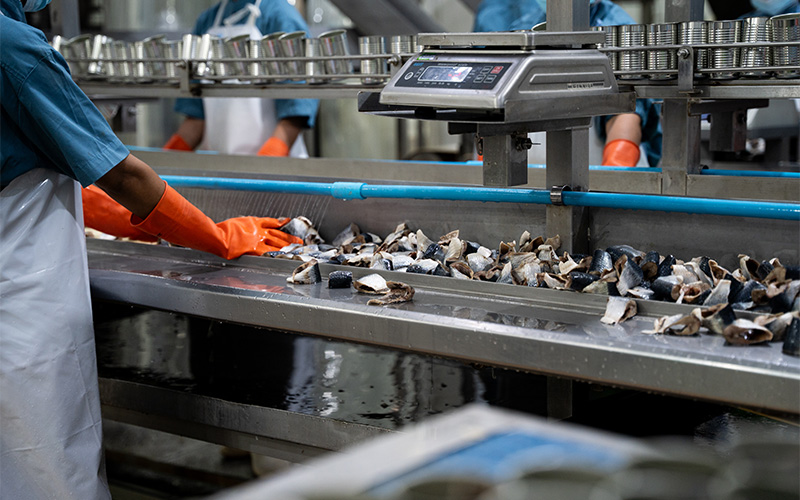
How To Choose The Right Freezer For Your Seafood Operation
Picking a freezer for seafood really depends on what you’re making, how much you process each day, and your plant’s layout. Someone freezing fillets or shrimp needs a different setup than someone doing frozen blocks or meal kits.
You’ve got to match the freezer design to your goals—keeping texture, cutting drip loss, and making sure every piece freezes the same.
Common freezer types include:
- Tunnel (IQF) freezers: Best for fish fillets or shrimp. The continuous flow design lets you push a lot through every hour.
- Spiral freezers: Handle mixed product sizes and fit in tight spaces thanks to the vertical spiral belt.
- Plate freezers: Great for block or packaged seafood. The direct contact plates freeze things fast and evenly.
- Fluidized bed freezers: Perfect for small items like shrimp or diced squid, since airflow keeps pieces separate for true IQF results.
- Immersion (brine or bath) freezers: Best for shell-on seafood. Rapid surface freezing keeps dehydration way down.
The right freezer can make or break shelf life and quality. For instance, a spiral freezer uses a stainless-steel belt and controlled air. Air temperature and speed stay steady through the spiral path, so each piece freezes quickly and evenly. That helps operators avoid losing moisture and keeps everything looking sharp.
Energy efficiency matters, too. Units with variable-frequency fans and energy monitoring can cut your electric bill without slowing things down. Maintenance access shouldn’t be a headache either.
Before buying, think about initial cost versus energy use, how often you’ll need to switch products, and how much space you have. Ask yourself if you’re mostly doing blocks or loose pieces, and what kind of packaging you want. That’ll help narrow down the right equipment.
Food Safety, Hygiene and Compliance in Seafood Plants
Seafood plants have to stick to strict safety and hygiene rules to keep products clean. Every facility runs under a Hazard Analysis and Critical Control Point (HACCP) plan that spots hazards and lays out how to control them. That’s how they make sure everything that leaves the plant is safe for people to eat.
Processing areas use 316 stainless steel equipment to fight off corrosion from saltwater and harsh cleaners. This keeps machines tough and easy to sanitize, even with all the daily washdowns.
Welded and sealed surfaces leave nowhere for bacteria to hide. Clean-in-Place (CIP) systems wash equipment automatically, so workers don’t have to take everything apart—a real time-saver that helps cut mistakes.
Good airflow, drainage, and non-absorbent conveyor belts keep moisture and debris from piling up. Add in temperature monitoring and fast-freezing setups like Individual Quick Freezing (IQF) machines, and you keep seafood at safe temps that slow down bacteria.
Some key hygiene measures:
- Stainless steel construction prevents rust and bacteria buildup.
- CIP systems cut down on manual cleaning and lower cross-contamination risk.
- IQF freezing keeps texture and food safety locked in.
- Controlled airflow and drainage limit moisture and odor issues.
Staff get trained in sanitation and traceability, too. When everyone sticks to these standards, processors keep customers safe, avoid recalls, and meet all the regulations for both local and export markets.
Como a tecnologia Square apoia os transformadores de marisco
Square Technology offers a full lineup of freezing gear for all kinds of seafood. They’ve got tunnel, spiral, fluidized bed, plate, and immersion freezers. Each model uses controlled airflow and precise temperature sensors so shrimp, fish, and surimi freeze fast without losing their texture.
Operators get consistent quality and less moisture loss. The company’s engineers design entire processing lines, linking every step from cooking or frying to glazing, packing, and cold storage.
They set up each machine to fit your product flow and output, which means fewer bottlenecks and less manual handling. That keeps production smoother and avoids temperature swings that can mess up your seafood.
Square Technology really knows shrimp, fish, and surimi. Their immersion systems chill stuff fast because the product touches cold liquid directly—no big ice crystals, so the flesh stays firm and the color doesn’t fade after thawing.
Their global support team’s got your back, too. Since 1986, they’ve put in thousands of units worldwide, so they understand the rules and quirks in different markets.
Their main equipment includes:
- Tunnel freezers for continuous line freezing—great for big volumes
- Spiral freezers for compact layouts—perfect if you’re short on space
- Plate freezers for blocks—guarantee even freezing depth
- Immersion freezers for delicate seafood—get rapid, even cooling
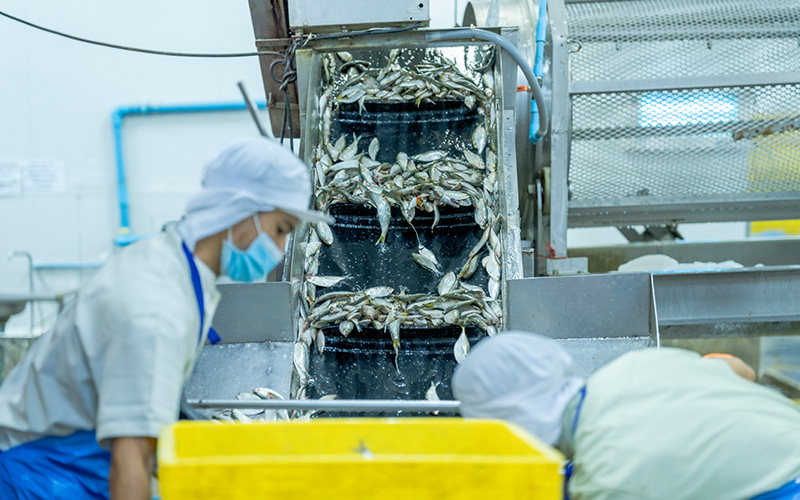
How To Get The Right Seafood Processing Solution For Your Plant
Getting the right seafood processing setup starts with a clear understanding of what the plant handles each day. Managers should jot down species, product types, and output volumes.
This info shapes equipment choices, like filleting, grading, or freezing systems. You really can’t skip this first step.
The selection process works best when you break it down:
- Share your product mix and volumes. Give daily throughput data and your target yield rates.
- Talk with technical experts to figure out the right equipment combo. Maybe that’s a fluidized bed freezer paired with a plate freezer for portion control, or a spiral and immersion system for high-volume freezing.
- Look at layout, energy use, and ROI. Since fish plants run nonstop, where you put conveyors and chillers really affects hygiene and worker efficiency.
- Build, install, commission, and train. Staff training is huge for safe operation and long-term reliability.
Many equipment makers use stainless steel systems built from AISI 304 or 316L grades. These materials stand up to saltwater, so you get lower maintenance costs and less downtime.
Equipment should fit the operational environment. Onboard units need compact, wash-down designs. Onshore factories usually want modular systems that can grow alongside production volumes.
One easy way to start is to ask for a feasibility and ROI estimate. Or just talk through a custom line concept with processing experts. It’s a practical step that helps make sure your solution fits both capacity goals and compliance standards.
Perguntas frequentes
What are the key pieces of equipment necessary for efficient seafood processing?
Core equipment includes conveyors, graders, filleting machines, and freezing systems. Stainless steel construction—especially 304 or 316L—resists corrosion from saltwater and cleaning chemicals.
Automated weighing and portioning units keep product size consistent and cut down on manual labor. You get higher throughput and better inventory control.
How does technology innovation impact the seafood processing industry?
Automation and robotics have changed seafood processing by cutting down repetitive handling. Robotics use optical sensors and precise movements to sort and cut seafood accurately.
This boosts yield from each fish and reduces waste. Digital monitoring systems now track temperature and equipment performance in real time, helping operators prevent spoilage and spot maintenance needs before anything breaks down.
What methods are commonly used to ensure the safety and quality of processed seafood?
Plants use sanitation systems with pressurized water and food-grade disinfectants to keep surfaces clean. Metal detectors and x-ray scanners check for foreign materials before packaging.
Temperature control is the main safety factor. Keeping seafood below 4°C stops bacteria from growing during handling and storage, so product stays fresh until delivery.
Can you explain the importance of a HACCP plan in seafood processing operations?
A HACCP plan (Hazard Analysis and Critical Control Points) points out where contamination risks might pop up and sets strict controls at each stage. For example, temperature sensors at chilling stations confirm fish never go above approved limits.
For operators, this process gives documented proof of control to meet government inspections and buyer standards. It also helps with traceability throughout the production chain.
What are the best practices for setting up a seafood processing plant?
A well-designed plant keeps raw, processing, and packaging zones separate to avoid cross-contamination. Airflow systems push clean air from packaging areas toward raw zones.
Managers often pick modular stainless steel sinks and tables since you can move them around for cleaning or reconfiguring. This flexibility shortens sanitation time and makes workflow changes easier when product lines shift.
How has on-board fish processing technology evolved recently?
Modern on-board systems now come with compact filleting lines. You’ll also find flash freezers and vacuum packing units that run on energy-efficient compressors.
These systems let vessels process fish right after catching them. That preserves quality and cuts down on waste.
Many boats use automated gutting machines and grading machines. Builders make them from marine-grade alloys.
This design fights off corrosion from salt exposure. As a result, vessels keep running smoothly on long trips and don’t need much maintenance.