
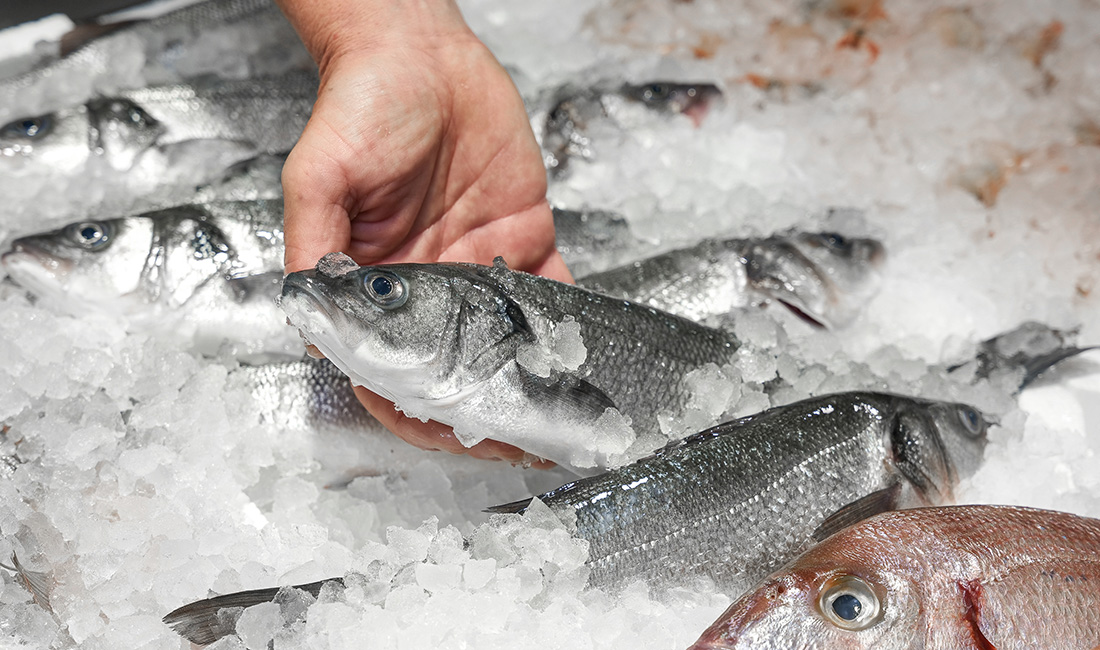
Processing IQF fish means you’ve got to keep temperatures low, handle everything cleanly, and use freezing systems that don’t mess with the fish’s quality. The best way to process IQF fish is to freeze each piece individually at subzero temperatures using air blast, cryogenic, or fluidized bed freezers that prevent clumping and preserve natural texture.
This approach keeps fish fresh, cuts down on waste, and helps the fish last longer without losing taste or nutrients.
IQF stands for Individual Quick Freezing, which means every fillet or portion freezes on its own. This method locks in moisture and stops ice crystals from forming, so seafood processors get reliable results at any scale.
In practice, you get better yield, easier packaging, and dependable quality at delivery. That’s tough to beat.
This guide covers how the IQF process works, from fresh catch to finished product. You’ll find out what equipment works best for different fish and how to avoid some classic mistakes.
There’s also advice on picking IQF equipment setups that balance energy use, throughput, and hygiene for safe, efficient seafood production. Let’s get into it.
What Is IQF Fish And Why It Matters
Individually Quick Frozen (IQF) fish means you freeze fish one by one, not in a big frozen block. Each fillet, portion, or whole fish goes into a freezing tunnel where cold air rushes around it.
The air temperature usually runs from −30 °C to −40 °C, so the fish freezes up fast—within minutes. Because each piece freezes separately, they don’t stick together, which makes portioning and handling during packaging and cooking so much easier.
You can pull out just what you need and leave the rest frozen. The speed of freezing matters a lot for quality. Quick freezing forms small ice crystals that don’t wreck the cells, while slow freezing makes big crystals that tear up the muscle fibers and turn the fish mushy after thawing.
IQF fish keep more of their original texture, taste, and moisture.
For processors and sellers, this means consistent portions and less drip loss when thawing.
For users, you get less quality loss between freezing and cooking, longer storage life, and better inventory control in retail or food service.
Process Flow: From Fresh Fish To IQF Finished Product
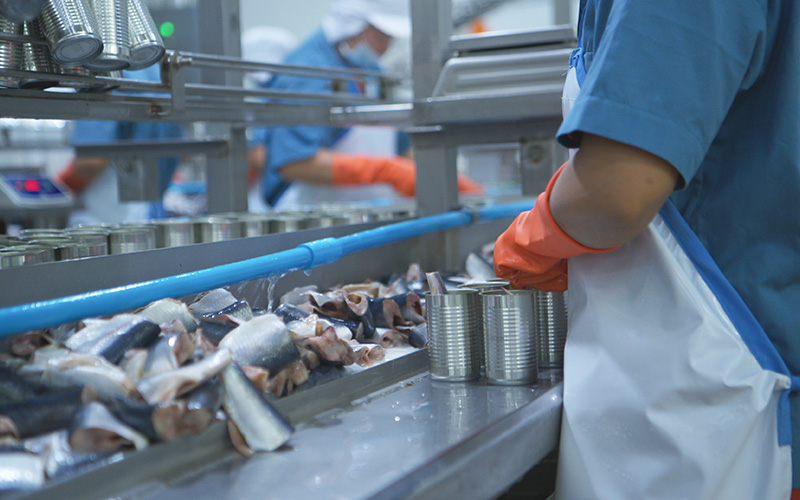
Processing IQF fish takes careful temperature control, gentle handling, and steady prep work. Every stage—handling, cutting, pre-treating, freezing, glazing, and packaging—matters for keeping the fish’s natural flavor and texture after freezing.
Step 1 – Raw Material Handling And Pre-Chilling
Fish need to stay cold right after harvest. Rapid chilling with flake ice or refrigerated seawater keeps the temperature close to 0–4 °C, slowing bacteria and enzyme activity.
That preserves freshness before the next steps. Transport containers should keep things cool the whole way.
Workers use probes to check core temperatures and make sure the fish stays in range. That way, fish hit the processing line firm, with less drip loss during cutting.
Pre-chilling the intake area and work tables helps too. Lower surface temperatures in the raw material room slow oxidation, so processors get cleaner fillets and better yields during cutting and freezing.
Step 2 – Trimming, Filleting, Portioning
Operators trim, gut, and fillet fish while keeping things chilled to avoid softening the tissue. Uniform portion weights—usually 80–150 g for small fillets—help keep airflow and freezing even inside the IQF freezer.
Blade temperature makes a difference. Stainless-steel knives cooled in ice water cut smoother and reduce cell rupture, which means less surface exudation and less unwanted frost during freezing.
Consistent thickness matters. If one piece is twice as thick as another, it might not reach the −18 °C target, raising the risk of quality loss in storage.
Step 3 – Pre-Treatment: Washing, Dewatering, Optional Glazing Before IQF
Before freezing, fillets go through gentle washing with chilled potable water. This step removes blood and surface debris that could mess with color or flavor later.
Then, dewatering conveyors or air knives blow off extra moisture. Removing surface water stops frost from building up in the freezer and keeps air velocity stable, which helps keep pieces separated during fluidization.
Some places add a light pre-glaze—a thin ice film, about 0.5–1.0 mm thick. Done right, it cuts dehydration during freezing and keeps pieces from sticking together. It also makes the surface look more uniform after the final glaze.
Step 4 – IQF Freezing
Products enter the IQF system—like a tunnel, spiral, or fluidized-bed freezer—in a single layer. High-velocity cold air, usually −35 °C to −43 °C, blasts around each piece to freeze them quickly and separately.
Key things to watch: belt speed, air velocity, and bed depth. Tweaking these means every piece hits a core temperature below −18 °C in just a few minutes.
Fast freezing keeps ice crystals small, which helps preserve texture. Most systems use stainless-steel mesh belts with airflow underneath to keep portions fluidized and prevent clumping.
That way, fish portions stay free-flowing and easy to grab from the bag.
Step 5 – Glazing & Hardening
After the IQF tunnel, fillets usually pass through a glazing unit that coats them in a thin layer of potable water. This forms a protective ice layer when refrozen, usually 5–10 % of the product’s weight, guarding against oxidation and moisture loss.
Next, products spend a short time in a hardening stage at −30 °C to −40 °C. That stabilizes the glaze and locks everything in.
If the glaze’s not right, it can crack or flake off, so processors keep an eye on water spray pressure, line speed, and temperature. Solid glazing helps prevent freezer burn and keeps the fish’s color looking good through storage and shipment.
Step 6 – Packaging And Cold Storage
Workers package the finished IQF fish right after hardening, using moisture-barrier bags or lined cartons to stop dehydration and keep out unwanted odors. Air evacuation or nitrogen flushing before sealing helps slow oxidation even more.
They label packages with trace codes and move them quickly to cold storage at −18 °C or below. Tight temperature control keeps texture and safety intact.
Storage racks need to let cold air move around the pallets. By keeping temperatures steady during loading and transport, facilities help the product stay stable until it’s in customers’ hands.
Equipment Options For IQF Fish (And When To Use Them)
Picking the right freezing equipment depends on the fish type, size, the texture you want, and how much you’re processing. Each system—airflow, belt, or plate—balances speed, gentle handling, and energy use in its own way.
IQF Tunnel Freezers For Fish Fillets & Portions – NTSquare IQF Tunnel Freezer
An IQF tunnel freezer uses a straight belt that moves fish fillets through controlled cold air. NTSquare’s model has smooth stainless belts and adjustable air velocity to cut down on product damage and keep the natural surface of cod, salmon, and whitefish fillets intact.
Uniform airflow means each fillet freezes on its own, not in a clump. A PLC intelligent control system (EAV) lets operators set recipes for different fish and monitor temperature in real time.
In practice, you get consistent results between batches without having to keep making manual tweaks. The Air Defrost (ADF) system clears frost from evaporators while running, so you can keep things going longer without stopping.
Main uses: medium-throughput fillet or portion lines, where keeping shape and minimizing drip loss really count.
Fluidized Bed Freezers For IQF Fish Pieces – NTSquare Fluidized Bed Freezer
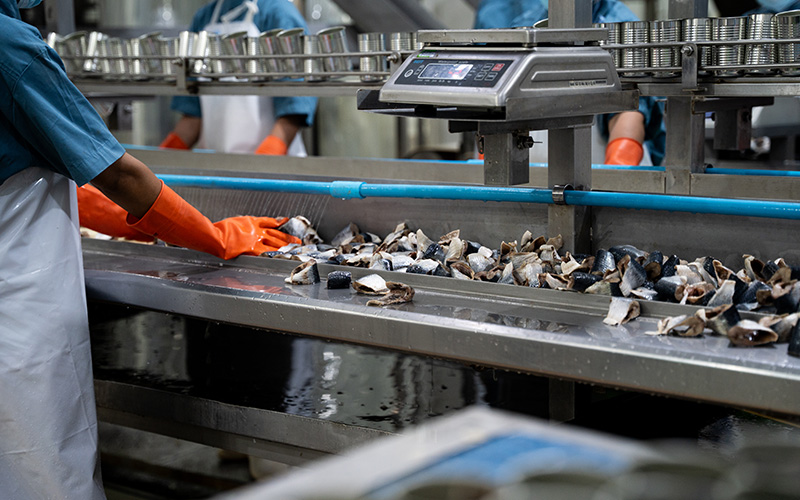
Fluidized bed freezers “float” fish pieces on a perforated belt with high-velocity cold air. This keeps each piece separated and stops clumping.
NTSquare uses CFD-optimized airflow modeling (EAV) for even distribution and product levitation. The machine usually runs two-stage freezing—a quick crust freeze, then deep freezing—to lock shape and prevent surface dehydration.
The airflow suspends lighter items like trimmings or cubes, avoiding surface sticking or deformation. For users, that means small items stay free-flowing after packaging.
This setup works well for small fish pieces, diced portions, or fish balls in plants that need fast turnover and a uniform look.
Main uses: value-added seafood processors making IQF fish cubes, nuggets, or mince portions.
Spiral Freezers For Whole Fish And Heavy Fillet Loads – NTSquare Spiral Freezer
Spiral freezers use a continuous belt wound in tiers around a rotating drum inside an insulated enclosure. This saves floor space and gives you a long freezing path for big loads.
NTSquare spiral freezers have variable belt speeds and configurable drum assemblies with 6 to 40 layers, so you can scale output as needed. Heavy fillet stacks or whole fish benefit from the longer path because core temperatures drop evenly without drying out the surface.
The freezer uses twin-drum airflow for balanced temperature. For operators, that means less variation in freezing across different product thicknesses.
The compact design makes spiral systems popular in mixed-species plants where space is tight but volume is high.
Main uses: high-capacity lines freezing whole fish, thick fillets, or mixed seafood SKUs.
Plate Freezers For IQF + Block Hybrid Strategies
Plate freezers use direct contact between aluminum plates chilled by refrigerant and the fish packs they press together. They’re best for making flat packs or semi-block formats when partial individual freezing is fine.
NTSquare units can run at temps below –35 °C to get firm surface freezing fast. Plants often use plate freezers with IQF tunnels to handle bulk export blocks and still keep options open for IQF retail packs.
Direct heat transfer means the system uses less energy per kilogram than air-blast methods. That’s good news for processors needing both IQF and block output on the same line.
Main uses: hybrid facilities that supply both loose IQF fillets and frozen blocks for industrial buyers.
Example: NTSquare IQF Fish Project In Peru
In a Peruvian fish plant, NTSquare installed an integrated system combining an IQF tunnel freezer, glazing unit, and hardening chamber. The setup processes skinless whitefish fillets at over 2 tons per hour.
The tunnel section handles initial freezing. The glazing station coats fillets for moisture retention, and the hardening stage stabilizes final temperature before packing.
The design reduced drip loss and improved yield consistency between production shifts. Operators used the real‑time PLC interface to monitor belt temperature and airflow balance.
This let them quickly adjust recipes when fish thickness changed. The plant could maintain texture and color quality while running longer between defrost cycles.
Common Mistakes In IQF Fish Processing (And How To Fix Them)
Overloading the belt or bed often leads to clumping and uneven freezing. When too much product goes on, the cold air can’t circulate evenly across the surface.
Reducing load size and checking the airflow pattern helps each piece freeze separately. It’s a simple fix but gets overlooked all the time.
Wrong dwell time or belt speed can cause fish to have soft centers or surface freeze burn. Each species has an optimal freeze curve based on size and moisture content.
Adjusting the belt speed and monitoring core temperature ensures complete and uniform solidification. It takes a bit of trial and error to dial it in.
Inconsistent infeed temperature before freezing causes uneven product quality. Shrimp or fillets entering at different temperatures form uneven ice crystals, damaging texture.
A pre-chilling step stabilizes the temperature and improves final consistency. Skipping this leads to headaches down the line.
Poor glazing or skipping the hardening step results in dehydration during storage. A thin water glaze, applied after freezing, forms a protective ice layer.
This barrier reduces moisture loss and oxidation, which keeps the fish firm longer in cold storage. It’s amazing how much difference one thin layer can make.
Insufficient hygiene or cleaning-in-place (CIP) cycles increase contamination risk. Residues left on conveyors, freezers, or trays promote bacterial growth.
Running routine CIP cycles with approved detergents and making sure drains eliminate standing water protects both product quality and safety.
How To Choose The Right IQF Equipment Setup For Your Fish Line
Selecting an IQF setup depends on the type of fish product, production volume, and space limits. Each freezing system—tunnel, spiral, or fluidized bed—fits specific needs and operating conditions.
A tunnel freezer uses a straight conveyor and directed cold airflow. The simple belt layout suits high volumes of uniform fillets. Its linear design also makes cleaning and inspection easier. If you’re dealing with big batches and want less hassle, this is a solid option.
A spiral freezer stacks the belt vertically to save floor area. Since air flows evenly around the spiral, it keeps surface texture consistent across batches. This design allows high throughput without expanding the plant footprint. For tight spaces, it’s kind of a no-brainer.
A fluidized bed freezer suspends small pieces—like diced or minced fish—in an air stream. This design forms a thin frozen layer on each piece, which prevents clumping. In real terms, this setup is most practical for IQF products requiring full particle separation. Not every plant needs it, but when you do, nothing else really works as well.

Preguntas frecuentes
What equipment is essential for processing IQF fish effectively?
Essential equipment includes IQF spiral or tunnel freezers, glazing units, and automated conveyors. Spiral and tunnel freezers use powerful fans to circulate cold air evenly, freezing each fillet in minutes.
This rapid freezing prevents cell damage that can occur during slower methods. Edge-drive systems simplify cleaning because they eliminate internal chain components, reducing hidden contamination points.
For workers, this design means faster sanitizing and fewer breakdowns. It keeps production consistent and makes life a bit easier for everyone on the floor.
What temperature should be maintained during the IQF freezing process for fish?
Fish should typically freeze at -35°C to -40°C (about -31°F to -40°F) inside the freezer. At these temperatures, water within the fish cells solidifies quickly, preventing large ice crystals from forming.
In practice, this helps the fish keep its natural firmness and moisture level once thawed. Consistent low temperatures during every cycle reduce the risk of texture loss and drip.
How can quality be preserved when packaging fish for IQF?
Use moisture-resistant, food-grade packaging films with airtight seals. Some processors also apply a thin ice glaze by dipping the frozen fish in chilled water, which coats the surface and prevents moisture loss.
For storage, vacuum-sealed or nitrogen-flushed packaging helps eliminate oxygen exposure. This stops oxidation and keeps both smell and taste closer to fresh-caught fish.
What are the key differences between IQF and traditional freezing methods for fish?
IQF freezes individual portions rapidly with cold air, while traditional block freezing traps several pieces together in ice. IQF minimizes ice crystal growth, so the fish keeps its natural texture once thawed.
Traditional bulk freezing often compresses the fish pieces, damaging the flesh and causing uneven thawing. For producers, IQF means easier portion control and less waste during processing.
How can freezer burn be prevented in IQF fish processing?
Prevent freezer burn by ensuring airtight seals and proper glazing thickness between 0.5 to 1 millimeter. These steps block air exposure and limit dehydration during storage.
Operators should also keep storage temperatures stable below -18°C (0°F). Even small fluctuations can pull moisture to the surface, which later turns into dry, discolored areas on the fish.
What challenges are commonly faced by IQF companies in maintaining the texture and taste of frozen fish?
Common issues pop up, like uneven airflow, temperature instability, and delays before freezing.
If fish hangs around too long at above-freezing temps, enzymes start breaking down proteins. That can make the texture go soft—never a good thing.
When you calibrate equipment regularly and load products with care, you get more even freezing.