
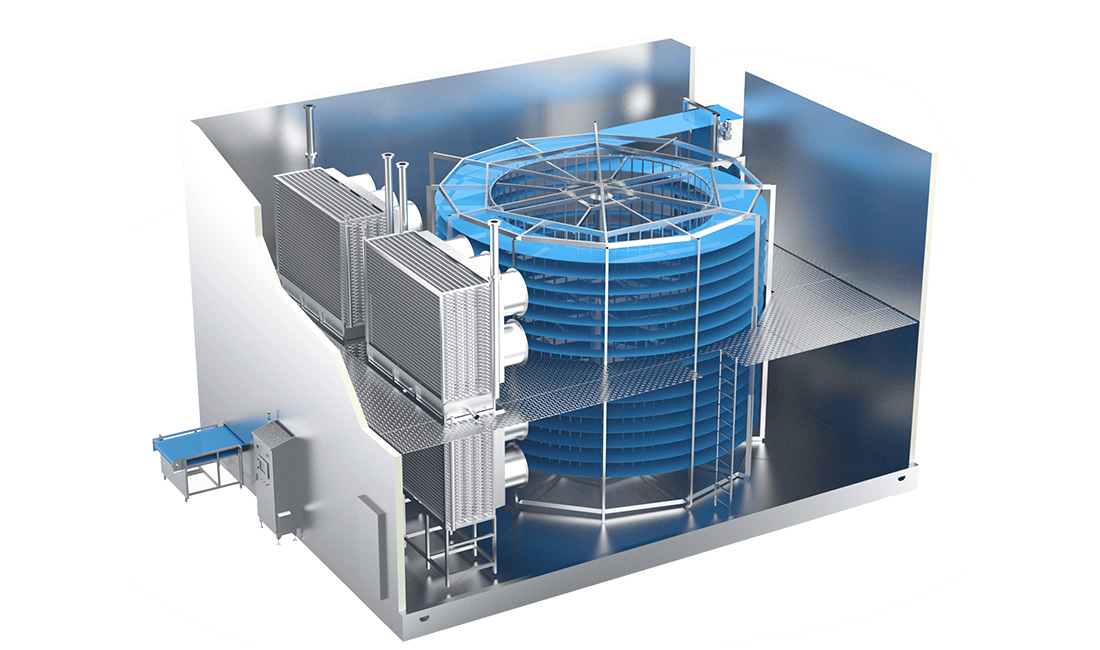
Keeping a spiral freezer clean matters—a lot. If you let residue from meat, seafood, or other products pile up, you’ll end up with poor airflow and an increased risk of contamination. A solid cleaning and maintenance checklist keeps things running, helps your freezer last longer, and keeps you in line with food safety rules.
This guide digs into why cleaning is non-negotiable, what you actually get out of regular upkeep, and lays out a straightforward process for both manual and automatic cleaning. You’ll find practical steps for keeping temperature steady, energy use down, and hygiene up.
Why Is Cleaning a Spiral Freezer So Important?
Let’s be honest—spiral freezers deal with all sorts of food, often raw meats and seafood. If you skip cleaning, residue can become a breeding ground for bacteria and blow your food safety compliance out of the water.
1. Protects Food Safety
Clean surfaces keep microbes from spreading between batches. Regular sanitation helps you stay on the right side of HACCP, FDA, and USDA hygiene requirements.
2. Maintains Freezing Efficiency
Ice or debris blocks airflow and clogs up fins. That means uneven freezing, higher energy bills, and unpredictable product quality. Clean equipment just works better.
3. Reduces Downtime
When you clean regularly, you’ll spot small issues before they become big problems. That means fewer shutdowns and less stress about missed deadlines.
4. Supports Regulatory Compliance
Processors have to meet strict rules. Sticking to a cleaning plan helps you pass audits and keep certifications.
5. Extends Equipment Life
Get rid of residue and moisture, and you’ll fight off corrosion and unnecessary wear. Clean belts, coils, and fans help your spiral freezer stick around for the long haul.
What Are the Benefits of Proper Cleaning and Maintenance?
A consistent cleaning routine doesn’t just keep your spiral freezer looking good—it keeps the entire system performing the way it was designed to. When parts stay clean and free from buildup, the freezer doesn’t have to fight against restricted airflow, uneven cooling, or unnecessary wear. The result is steadier freezing performance, fewer surprises, and a system that simply runs better day after day.
Proper cleaning and maintenance keep your spiral freezer running efficiently, extend component life, and ensure consistent product quality and compliance.
- Longer Equipment Life: Regular cleaning and inspections reduce corrosion and wear; clean, well-lubricated belts and bearings last significantly longer.
- Enerji Verimliliği: Removing ice and buildup restores proper airflow, preventing fans and coils from overworking and lowering overall power consumption.
- Steady Product Quality: Consistent upkeep ensures even freezing; clean conveyors and chambers help prevent contamination and maintain product appearance and texture.
- Mevzuata Uygunluk: Sanitary equipment conditions help meet USDA and FDA requirements and reduce the risk of microbial issues during inspections.
- Reduced Downtime: Routine checks on panels and moving parts catch issues early, allowing proactive repairs and keeping production schedules on track.
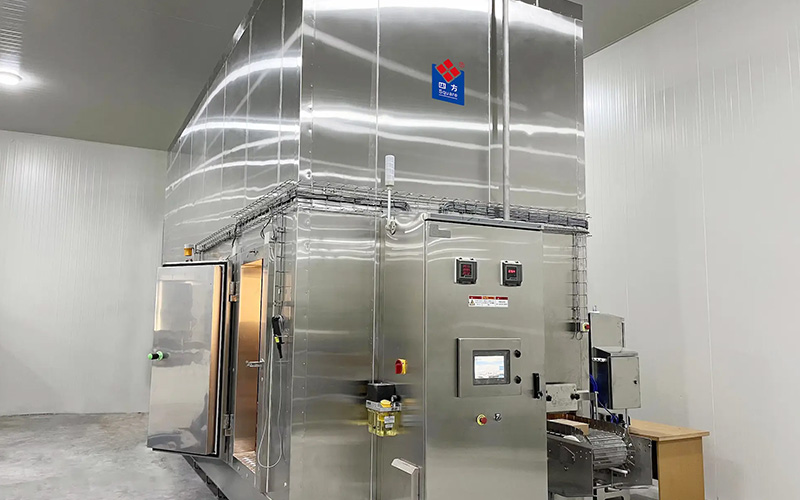
What Is the Step-by-Step Checklist for Manual Cleaning?
A step-by-step checklist for manual cleaning is a structured sequence of safety, removal, washing, inspection, and reassembly tasks that ensures the spiral freezer is cleaned properly and operates efficiently.
- Step 1 — Safety Shutdown: Stop the spiral belt and power off the unit completely before touching any components to ensure safe working conditions.
- Step 2 — Remove Covers and Panels: Take off or lower conveyor hoods, trays, and belt covers to expose hidden areas where debris and buildup often accumulate.
- Step 3 — Clear Loose Debris: Use brushes or hand tools to remove visible debris from all levels, making sure large particles are cleared before washing.
- Step 4 — Wash All Surfaces: Clean both interior and exterior surfaces using warm water (up to 60°C) and a neutral or mild alkaline cleaner that won’t damage metal parts.
- Step 5 — Rinse and Inspect: Rinse thoroughly and check for leftover frost, residue, or grime that could restrict airflow or interfere with freezing performance.
- Step 6 — Reassemble Components: Replace and securely fasten all covers, trays, and belt sections to restore the freezer to proper operating condition.
- Step 7 — Clean Surrounding Floors: Wipe up water and debris around the freezer area to maintain a safe, slip-free working environment.
How Should Automatic Cleaning Systems Be Managed?
Automatic cleaning systems can be a lifesaver, but only if you handle them right. Before you fire up the system, get rid of any large debris by hand. That quick manual sweep keeps big messes from jamming up the automated cycles.
The system usually cleans in segments so you’re not just moving dirt around. For each segment, you’ll rinse, foam, and sanitize. Double-check chemical levels, water temperature, and how long everything sits to make sure you’re meeting food safety standards.
Here’s what a typical cycle looks like:
- Rinse each section on its own.
- Apply detergent foam everywhere it’s needed.
- Wait so the cleaner can do its job.
- Rinse again to clear out the foam.
- Sanitize or disinfect all surfaces.
- Give sanitizer time to work.
- Final rinse before drying things out.
After each phase, take a look at the surfaces—either by eye or with ATP testing if you have it. This process helps you hit food safety targets and keeps the freezer in solid shape, all while minimizing downtime.
What Is the Final Checklist for Spiral Freezers Maintenance?
Before restarting production, do a quick maintenance check to confirm the freezer is safe, clean, and running correctly. Use the checklist below to verify all key areas.
| Area | Task | Frequency |
| Freezer Interior | Clear out leftover food and check for gunk, ice, or buildup. | After each cleaning |
| Conveyor Belt | Check for wear, tension, and alignment. Clean it with a food-safe solution. | Daily or as needed |
| Evaporator Coils | Make sure there’s no frost or dirt. Defrost if you need to. | Weekly |
| Compressor | Listen for odd noises, check oil, and verify refrigerant pressure. | Monthly |
| Airflow System | Ensure fans work and nothing blocks airflow. | Weekly |
| Drains and Floor | Keep drains clear and water moving. | Each cleaning cycle |
| Doors and Seals | Check seals to stop ice and air leaks. | Weekly |
| Moving Parts | Lubricate chains, bearings, and rollers with freezer-safe grease. | Scheduled intervals |
| Sensors and Controls | Test temperature sensors and the PLC system for accuracy. | Monthly |
| Safety Checks | Make sure lockout/tagout works and panels are secure. | Every service session |
After each step, jot down what you find and fix in a maintenance log. Tracking these details helps spot trends and proves you’re sticking to standards if anyone asks.
Sıkça Sorulan Sorular
What are the essential steps in the cleaning process for a spiral freezer?
Start by defrosting to clear out ice. Once things are at a safe temp, remove large debris from the belt, infeed, and outfeed.
Then, wash all surfaces with food-safe detergents and high-pressure water. Pay special attention to the conveyor belt, evaporator coils, and floor drains—these spots collect the most mess. After washing, sanitize everything and let it dry before you start up again.
Which cleaning agents are safe and effective for spiral freezer surfaces?
Stick to food-grade detergents and sanitizers meant for stainless steel and aluminum. They’ll get rid of protein, fat, and minerals without damaging the metal.
Skip chlorine-based cleaners—they can cause pitting and rust. Go for alkaline or neutral solutions since they break down organic gunk without ruining the surface.
How often should routine maintenance be performed on a spiral freezer?
How often you need to maintain a spiral freezer really comes down to what you’re freezing and how much you use it. If you’re dealing with raw meat or seafood, you’ll probably want to clean it every day. On the other hand, if it’s mostly bakery stuff or other low-risk foods, a weekly cleaning usually does the trick.
For the mechanical side—things like greasing moving parts or checking the belt tension—it’s best to stick to the manufacturer’s recommendations. That’s typically every few weeks, give or take. And don’t skip those full inspections by a technician several times a year. They’ll catch issues before they turn into expensive problems and help keep everything running smoothly.