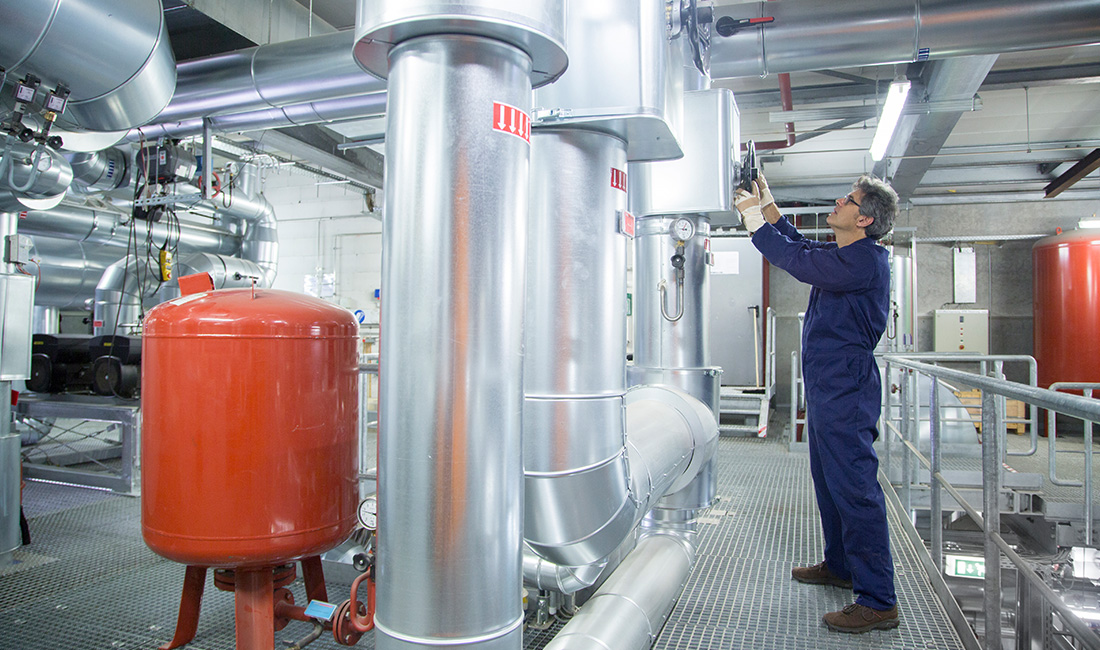
Freezing systems are vital, high-cost assets. Their efficient management is the difference between smooth, safe operations and budget-draining surprise shutdowns. Modern, high efficiency comes not just from advanced technology, but from blending three critical pillars: rigorous Mechanical Integrity, Predictive Management driven by data, and a strong Sanitary Compliance culture. When managed strategically, your cooling equipment shifts from being a non-stop expense to a reliable asset that enhances productivity and saves money year after year.
How to Build the Foundation of Mechanical Integrity and Achieve Zero Leakage in Core Components?
Mechanical integrity in freezing systems starts with clean heat exchangers, stable refrigerant control, solid insulation, and a zero-tolerance approach to leaks. Each piece directly affects how well compressors run, how long your gear lasts, and whether you’re on the right side of safety and environmental rules.
Guarding the “Lifeline” of Heat Exchange Efficiency
Definition: Keeping heat exchange surfaces clean and free from ice is key for steady thermal transfer and reliable compressor performance.
- Cause: Dust, oil films, or frost on evaporator and condenser coils block airflow and make heat transfer harder.
- Effect: As grime builds up, the heat transfer drops, so the compressor has to work longer to keep things cold.
- Method: Schedule coil cleaning based on pressure or temperature data—not just a calendar. If compressor discharge pressure jumps more than 10%, that’s a red flag for fouling.
- Function Check: Make sure the defrost cycle gets the surface above 5 °C for air coils, so everything thaws completely.
- Practical Meaning: Clean exchangers keep evaporating temperature steady, help compressor oil last longer, and can cut power use by 5–10% per year in industrial setups.
Ensuring Precise Control of Refrigeration Parameters
Definition: Keeping suction and discharge pressures steady keeps the refrigeration cycle balanced and stops the compressor from being overloaded.
- Key Adjustment: Hold suction pressure within the design range (like −25 °C for frozen storage) and keep discharge pressure about 15–20 °C above the ambient condenser temperature.
- Reason: High discharge pressure makes the compressor work harder and wear out faster, while too low suction pressure cuts cooling capacity.
- Superheat Setting: Set superheat between 5–8 K so only vapor—not liquid—returns to the compressor. Liquid slugging can wreck pistons and valves, so getting superheat right really matters.
- Tool: Digital expansion valves and pressure sensors let you fine-tune control and spot weird trends early.
- In Practice: When pressures stay in the sweet spot, system efficiency (COP) goes up, and evaporator coils work better for longer stretches.
Insulation and Sealing: The Most Cost-Effective Maintenance Task
Definition: Good insulation and tight seals stop unwanted heat from sneaking into the refrigeration circuit.
- Common Weakness: Worn door gaskets, cracked vapor barriers, or soggy insulation can make compressors run up to 20% longer.
- Inspection: Do monthly infrared scans or just check wall temperatures; if any cold storage wall is above 0 °C, moisture’s getting in.
- Repair: Swap out bad door seals with closed-cell EPDM rubber—it stands up to ozone and stays flexible even at −40 °C.
- Reason: Every square meter of exposed or wet insulation can add 50–70 W of heat gain. That’s not trivial.
- For Users: Regular sealing checks are cheap and pay off big by cutting compressor run time and stopping ice from forming at doorways.
Strictly Adhering to the Refrigerant Leak Compliance Red Line
Definition: Zero refrigerant leaks keep you compliant and your equipment running reliably.
- Regulation: If your system holds more than 5 tons CO₂‑eq of refrigerant, you need at least one certified leak check a year (per F‑Gas and similar rules).
- Detection: Use electronic sensors that can catch leaks as tiny as 3 g/year. For bigger systems, fixed detectors near compressors and valves are a must.
- Documentation: Keep logs of leak tests, what method you used, and what you fixed. Sloppy records can mean fines or, worse, a plant shutdown.
- Mechanical Cause: Leaks usually happen at flare joints, valve stems, or spots that vibrate a lot.Double-flare fittings and anti-vibration supports help a ton.
- For Operators: A tight system keeps the right refrigerant charge, holds superheat steady, and lets you keep your energy efficiency through the system’s life.
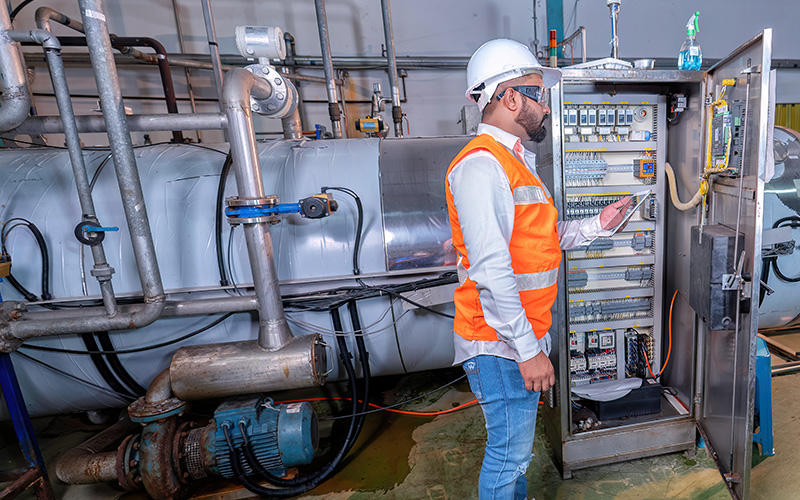
How to Use “Elastic” Management to Address the Challenges of Conveyor Systems?
“Elastic” management is about staying flexible—adapting controls, predicting maintenance, and adjusting to temperature swings—so conveyor systems keep running even when things get hot, cold, or both in a hurry. It’s about building in enough give, both in the hardware and the schedule, to dodge breakdowns and squeeze more life out of every part.
Managing the Significant Temperature Differential Between Cleaning and Operation
Definition: Conveyor parts go from hot cleaning (about 140°F) to freezing operation (−30°F). That constant expansion and contraction stresses joints and supports.
- Thermal Behavior: Conveyor belts made of polyurethane or synthetic rubber swell during hot cleaning, then shrink in the cold. Even a few millimeters per meter matters—tight spots around rollers can jam or misalign.
- Elastic Strategy: Flexible couplings or elastic drive parts soak up that strain. These pieces flex when things heat up, then bounce back as things cool down.
- Impact on Operational Stability: If you cool down too fast after cleaning, ice can form inside the belt’s pores. That stiffens the belt and messes with friction. Slower cooldowns and dry air can help dodge this headache.
- Practical Management: Maintenance crews check belt stretch at both temperature extremes and tweak pulley spacing to keep everything lined up. The payoff? Fewer false starts and longer belt life, even with all those hot-to-cold swings.
Ensuring Conveyor Belt Tension and Bearing Health
Definition: Right belt tension keeps mechanical parts from wearing out unevenly and keeps bearings and shafts balanced, even with all the stop-and-go action.
- Preventive Schedule: Operators stick to a PM routine—grease bearings every 250 hours, check wear strips after each cleaning.
- Adjustment Method: They use a slight overdrive tension (5–10% above normal) to handle extra load from ice or product pile-ups. Just enough to stop slippage, but not enough to overwork the shafts.
- Elastic Linkage: Flexible couplings or bushings between the motor and gearbox soak up vibration. That drop in vibration can cool bearings by up to 15%.
- Practical Result: For techs, these tweaks mean smoother running, less shaft bending, and longer gaps between bearing swaps. In freezing systems, that’s less downtime from broken seals or frozen grease.
Utilizing Design Maintenance to Solve Thermal Expansion Issues
Definition: Design maintenance blends regular checks with hardware that lets conveyors flex as temperatures change.
- Expansion Control: Many systems use a take-up unit with linear guides and spring-loaded screws. These keep belt tension steady as things shrink during cooling.
- Elastic Compensation Systems: Some conveyors use sliding joints or self-adjusting rollers with stainless steel and elastomer liners. Elastomers stay flexible in the cold, offsetting metal shrinkage.
- Inspection Routine: Techs check spring force with a torque wrench at set intervals to confirm smooth movement.
- User Impact: In practice, this keeps belts aligned across temperature swings, cuts weird noises, and stops cracking from repeated expansion. It also lowers the risk of jams after cleaning or defrosting.
How to Transition from Reactive Prevention to Strategic Predictive Management?
Shifting from reactive fixes to predictive management takes structure, solid data, and a live look at how assets are doing. You need digital platforms, connected sensors, and analytics that can warn you before things break—not just after.
Deploying Digital Tools like CMMS and Asset Registries
Getting predictive starts with a solid digital backbone: a Computerized Maintenance Management System (CMMS) and a detailed asset registry.
- Purpose: CMMS systems standardize work orders, track assets, and handle maintenance scheduling. Each asset record logs serial numbers, service history, and calibration, so every maintenance move is traceable.
- Function: When you link the CMMS to IoT sensors or temperature monitors, it logs readings automatically and flags anything odd. If a compressor’s coil temperature starts creeping up, it pops up on your dashboard before it fails.
- Outcome: With full operational history, management can spot patterns, tally up downtime causes, and plan fixes based on real data—not just gut feelings.
With this digital base, you get fewer emergencies and use maintenance labor way more efficiently. Planners can predict which parts will need service, order spares ahead of time, and schedule work around production—not the other way around.
Utilizing Sensor Data for Predictive Maintenance (PdM)
Predictive maintenance leans on sensors that constantly feed back real numbers. Vibration sensors for moving parts, temperature probes for cooling circuits, and ultrasonic detectors for leaks are all part of the mix.
- Method: Sensors send real-time data to a central system, which compares it to normal trends. If vibration or temperature jumps out of line, the system triggers an alert.
- Reason: PdM doesn’t stick to the calendar. Instead, it shifts maintenance based on actual wear, so you avoid both early service and nasty surprises.
- Impact: For managers, this means you only schedule repairs when the data says so. For owners, it means less downtime and no sudden loss of cooling from unnoticed problems.
By swapping paper logs for live analytics, organizations move from occasional checks to constant oversight. This approach stretches asset life because you fix issues before heat or friction can do real damage.
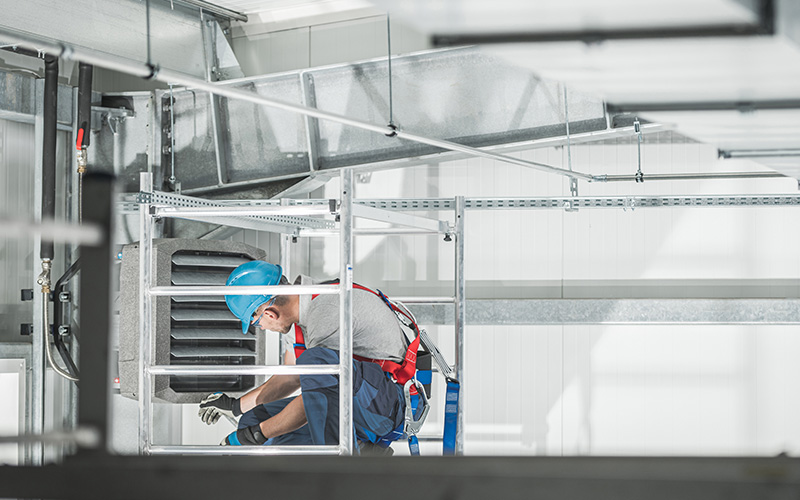
Establishing a Data-Driven Early Warning System
A data-driven early warning system taps into performance data to spot failures before they actually happen.
- Approach: The system looks for trends using statistical analysis or machine learning. It pulls info from sensors and CMMS logs. If sensor readings drift from what’s normal—like compressor pressure creeping up or freezer temperatures wandering—it sends out a priority alert.
- Requirement: Good data hygiene matters a lot. You’ve got to calibrate sensors, sync timestamps, and keep records safe in secure databases that follow proper standards.
- Effect: Since alerts come early, teams get a chance to tweak setpoints, swap out worn parts, or recalibrate controls—all without stopping production.
This analytical layer basically acts like an automated diagnostic assistant. It doesn’t just flag symptoms; it suggests maintenance steps based on real data. For freezing systems, that could mean predicting condenser icing or bearing wear days ahead—giving folks time to act safely and efficiently across the whole system’s life cycle.
How to Establish an Efficient Maintenance Culture Through Cross-Departmental Collaboration?
Building a solid maintenance culture in freezing system operations isn’t just about fixing stuff. It’s about clear procedures, steady training, and compliance planning that actually fits reality. Coordination between production, QA, and engineering keeps downtime at bay and helps equipment last longer, all while meeting regulatory demands.
Developing Comprehensive SOPs Covering Production, QA, and Engineering
Efficiency starts with shared Standard Operating Procedures (SOPs) that spell out who does what, and when.
- Purpose: SOPs keep processes uniform and prevent missed checks or doubled-up work. For example, production checks evaporator coil cleanliness each day, QA logs sanitation cycles, and engineering takes care of calibration and compressor maintenance.
- Scope: Getting input from every department means SOPs cover operation, mechanics, and quality. Measurable criteria—like a ±2 °C temperature limit or a max lube rate—replace guesswork with facts.
- Documentation: Storing digital SOPs in a shared maintenance system keeps everyone on the same page. When someone updates a procedure, the system sends out automatic alerts so nothing slips through the cracks.
- Outcome: With traceable steps and clear responsibility, equipment reliability goes up and noncompliance drops. In real life, this means fewer production hiccups and steadier freezing performance.
Ensuring Employee Training Covers Operational Norms and Fault Identification
Staff training really forms the backbone of a maintenance culture.
- Objective: Every operator and tech should know the process specs—like the right refrigerant charge or safe compressor pressures—and spot when things drift out of line.
- Approach: Training blends classroom talk with hands-on demos. For instance, techs learn to spot early icing or oil contamination by checking sensors and doing visual inspections.
- Accountability: Giving operators “ownership” of their equipment encourages fast reporting of oddities, instead of waiting for the next scheduled check.
- Impact: Early fault detection means faster repairs and longer compressor life. In practice, it cuts unplanned downtime and keeps the cold chain intact. Ongoing refresher training keeps everyone up to speed, even when shifts change or rules get updated.
Integrating Maintenance Scheduling with HACCP/FDA Compliance Requirements
In food-grade freezing, maintenance and compliance go hand in hand.
- Definition: Tying scheduled service to HACCP plan checkpoints and FDA documentation makes sure technical upkeep directly supports food safety.
- Implementation: Maintenance logs include verification for sanitation, lubricant use, and gasket replacement (using NSF-certified materials). A digital CMMS links these logs to production lots, so everything’s traceable.
- Verification: QA reviews maintenance cycles alongside sanitation records during audits. That way, compliance evidence is always ready for inspectors.
- Outcome: Documented maintenance supports both legal and operational goals. Each record helps prevent corrosion, leaks, or microbial buildup. For staff, it sets a predictable maintenance rhythm that matches production and inspection schedules.
Sıkça Sorulan Sorular
Which practices can prolong the lifespan of freezing equipment?
Preventive maintenance is huge. Techs clean coils, check insulation, and measure refrigerant during scheduled service. These steps lighten compressor loads and keep cooling even.
Keeping fans and evaporators free of ice helps air move and stops motors from straining. Stable temperatures mean less stress on the whole system. Sticking to a bearing lubrication schedule cuts down on wear, too.
Operators who track temperatures and notice weird noises can catch problems early. This kind of attention avoids downtime and steers clear of pricey repairs.
What are the common indicators of reduced efficiency in freezer systems?
Look for temperature swings, longer cooling cycles, or rising power bills—those are classic signs of trouble. Clogged condenser coils or worn door seals can let warm air in, forcing compressors to run overtime.
Extra frost on evaporator fins often points to poor defrosting or blocked airflow. That leads to uneven freezing and more energy use. Regular walkarounds can spot these issues before they get worse.
How often should freezer systems undergo professional servicing?
Most big freezer systems do best with a pro check at least twice a year. Busier sites might need quarterly service since heavy use wears things out faster.
During service, techs check refrigerant, oil, and electricals while the system’s running. These checks pick up on subtle changes that daily routines might miss. With timely professional service, operators see fewer big repairs and steadier performance overall.
Can energy consumption be reduced through regular maintenance of cooling systems?
Absolutely, it can. Clean heat-exchange surfaces move thermal energy better because dirt and frost act like little insulators, adding resistance (measured in °C/W).
When you get rid of that gunk, the compressor doesn’t have to run as long. That means it pulls less power, which is always a good thing for your bill.
If the temperature sensors are well-calibrated and the thermostatic expansion valves work as they should, you avoid over-cooling. Keeping the setpoint accurate means the system doesn’t run when it doesn’t need to.
Sticking to a preventive maintenance schedule—like checking for leaks—also stops refrigerant from escaping. Otherwise, you’d lose cooling capacity and the system would have to work overtime.