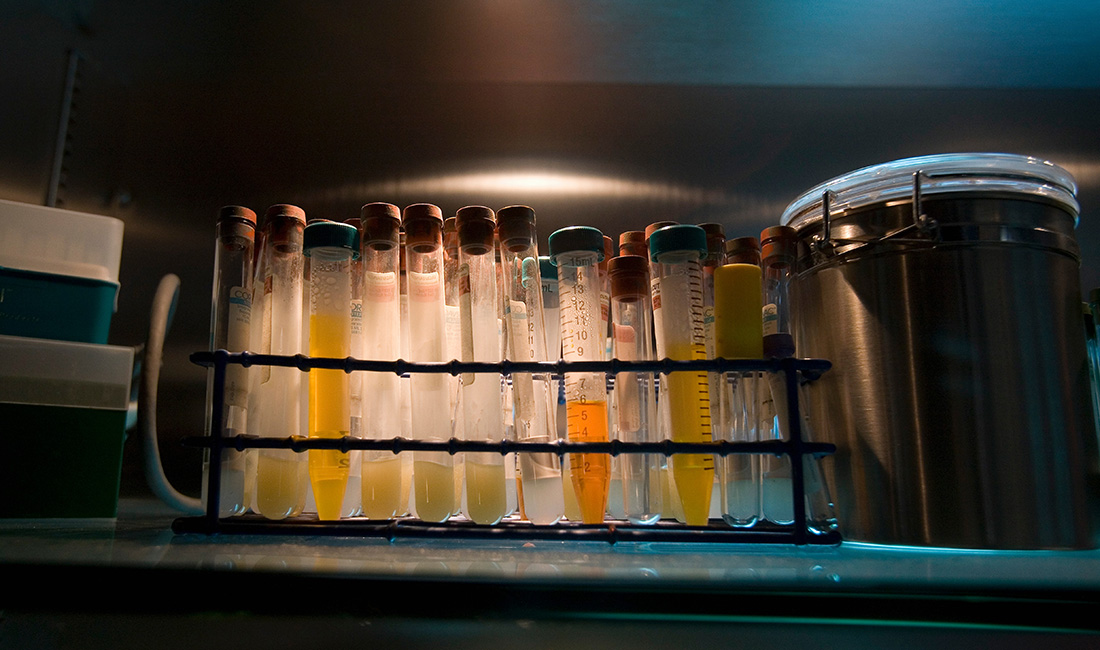
Cryogenic freezing works by rapidly cooling biological materials to extremely low temperatures using liquid nitrogen or similar refrigerants. This process slows molecular motion, so cells, proteins, and other biomolecules stay stable for long periods.
Effective maintenance and management of these freezing systems ensure consistent temperature control, protect sample integrity, and extend equipment lifespan.
In modern biopharma production, cryogenic freezers play a big role in safeguarding cell cultures, vaccines, and genetic materials. Their reliability depends on well-maintained compressors, insulated chambers, and precise temperature monitors.
When each part does its job, energy use stays efficient and temperature stability protects expensive, time-sensitive materials. In practice, this means greater productivity and fewer losses from equipment failure or sample degradation.
What Are Cryogenic Freezers And How Do They Work?
A cryogenic freezer is a system that preserves biological or industrial materials by maintaining extremely low temperatures—typically −80°C to −196°C—where molecular motion nearly stops and chemical or biological activity is effectively halted. At these cryogenic conditions, cells, tissues, and other sensitive materials remain stable for long-term storage.
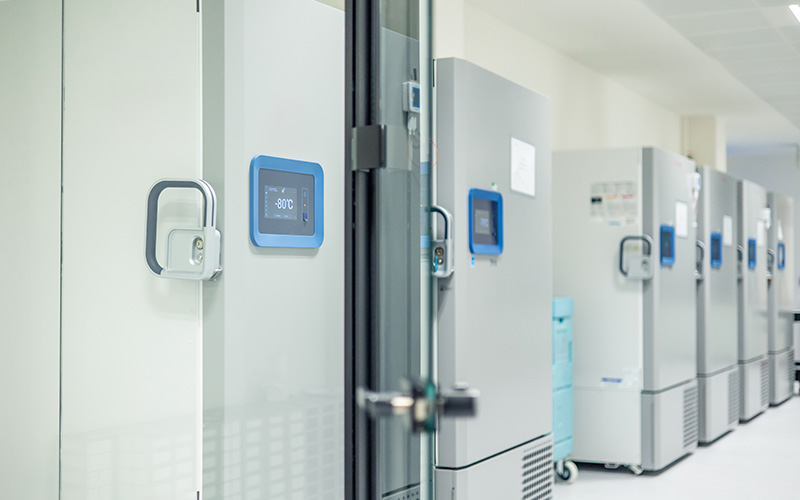
- Cooling Methods: Two main types exist. Liquid nitrogen (LN₂) systems use the boiling and evaporation of LN₂ to pull heat out fast. Mechanical cryogenic freezers rely on multi-stage compressors and specialized refrigerants to reach subzero levels without cryogens. These designs keep temperature distribution uniform, usually within about ±5°C, which helps protect stored materials from temperature swings.
- Core Mechanisms: Cryogenic freezing works by rapid heat extraction. When material contacts nitrogen vapor or cold internal air, energy moves from the product to the coolant. This freezes cells or compounds quickly, keeping ice crystal growth and structural damage to a minimum. For users, samples hold onto their integrity during storage or transport.
- System Components: Each freezer comes with insulated chambers, temperature and pressure sensors, programmable controllers, and safety alarms. These parts team up to maintain precise environmental conditions and alert staff if something goes wrong.
- Comparison with ULT Freezers: Cryogenic models reach colder temps and freeze items faster than ultra-low temperature (−40°C to −86°C) units. However, they use more energy and call for stricter safety protocols when handling cryogenic fluids.
Why Does Cryogenic Freezing Matter in Biopharmaceutical Production?
Cryogenic freezing is crucial because it keeps sensitive biological materials stable, viable, and compliant throughout production, storage, and transport.
- Preservation of Biological Activity — Rapid freezing below –130°C slows molecular motion enough to prevent protein denaturation, cell rupture, and aggregation. Enzymes and proteins keep their three-dimensional shape, so drugs like monoclonal antibodies stay therapeutically active after thawing.
- Maintaining Viability of Cells and Tissues — Cryogenic systems use controlled cooling rates and cryoprotectants like dimethyl sulfoxide (DMSO) to minimize ice crystal formation. This control lets cellular therapies—including stem cells, CAR‑T cells, and PBMCs—survive storage for months or even years without losing function.
- Stability Requirements for High‑Value Biologics — Many biologics, such as mRNA vaccines and viral vectors, break down quickly above ultra‑low temperatures. Storing them in vapor‑phase liquid nitrogen (about –150°C) keeps their structure and potency intact. For manufacturers, this means fewer rejected batches and consistent results.
- Meeting Regulatory, Safety, and Compliance Standards — Agencies like the FDA and EMA require validated cryogenic storage and handling under GMP and GDP frameworks. These standards ensure traceability and safety, so every dose delivered to patients has documented preservation integrity.
Which Biopharmaceutical Applications Depend on Cryogenic Freezers?
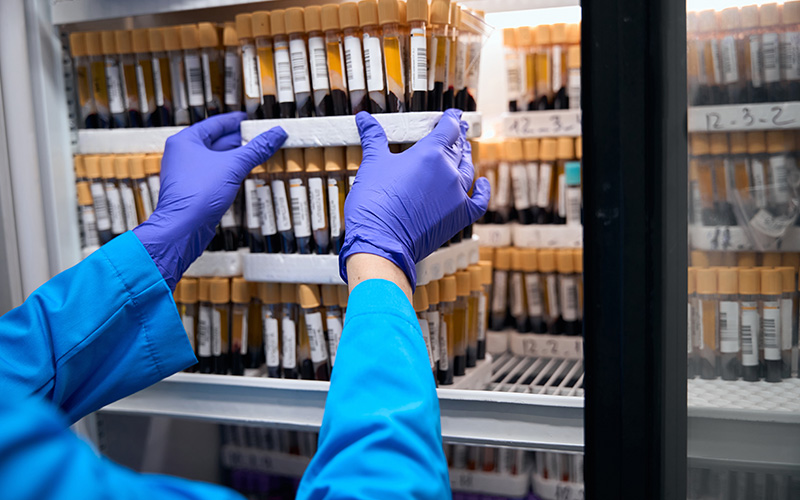
Cryogenic freezers support biopharma operations that need to keep materials at ultra-low temperatures, stopping biochemical activity in its tracks.
- Cell & Gene Therapy Manufacturing – These therapies rely on cryopreservation of engineered cells before infusion. Cooling cells to around –150°C with liquid nitrogen slows metabolic reactions to nearly zero, preventing molecular degradation and letting cells stay viable after thawing.
- Vaccine and mRNA Therapeutics Storage – Lipid nanoparticle (LNP) formulations used in mRNA vaccines fall apart above –70°C. Cryogenic freezers keep this temperature steady, preserving the lipid layers. For facilities, this means predictable dose potency across the supply chain.
- Biobanking and Long-Term Sample Repositories – Research and clinical groups store DNA, plasma, and tissue samples for years. At –150°C or lower, enzymatic decay just stops, so genetic material stays unchanged over long periods. This is key for reliable data in long-term studies.
- Microbial and Viral Seed Bank Preservation – Master and working cell banks need cryogenic conditions to keep strains pure. Freezing prevents spontaneous mutations that can pop up during repeated culture, guaranteeing uniform production batches.
- Reagents, Enzymes, and Biological Raw Materials – Enzyme formulations lose activity from slow denaturation at moderate cold. Cryogenic storage locks molecular structures in place, giving labs stable, reproducible reagents for biomanufacturing.
What Technologies Are Driving Next-Generation Cryogenic Freezers?
Next-gen cryogenic freezers use advanced engineering and automation to keep ultra-low temperatures steady, while cutting energy use and reducing contamination risks.
- LN₂ Vapor-Phase Freezing Systems – These systems suspend samples in nitrogen vapor, not liquid. The vapor gives more even cooling and avoids direct contact with liquid nitrogen, cutting down on contamination and sample cracking. That means safer preservation and fewer handling headaches.
- Automated Cryogenic Storage Solutions – Robotic retrieval and automated labeling boost accuracy. Digital chain-of-custody tracking logs every sample’s movement, shrinking errors during high-volume storage. Automation means faster access and less manual work for staff.
- Smart Monitoring & IoT-Integrated Freezers – Built-in sensors create real-time temperature maps and send instant alerts if readings drift. Predictive analytics use trend data to schedule maintenance before problems hit. This helps facilities stay compliant and avoid downtime.
- Closed-System and GMP-Ready Cryogenic Platforms – Sealed transfer mechanisms and clean handling spaces cut contamination. GMP-compliant documentation records each action automatically, meeting strict regulatory standards. Users get traceability for every stored product.
- Energy-Optimized Freezing Designs – Better insulation and adaptive cooling controls can cut liquid nitrogen use by up to 20%. For users, that means lower operating costs and a smaller environmental footprint, all without giving up reliability.
What Are The Market Trends and Growth Drivers for Cryogenic Freezers?
Cryogenic freezers are showing up in more places as industries need precise low‑temperature storage to keep biological materials, foods, and pharmaceuticals safe for the long haul.
- Rising Investments in Cell & Gene Therapy: Growth in cell and gene therapy programs is pushing up freezer demand. These treatments need storage below –150°C to keep cells viable, so manufacturers are expanding capacity for cryovials and integrating controlled‑rate freezing systems to avoid product loss.
- Expansion of Global Biobanking Networks: National biobanks and personalized medicine projects are ramping up sample volumes. Institutions are investing in modular cryogenic systems with automated inventory tracking to keep samples traceable and easy to retrieve.
- Increasing mRNA and Viral Vector Production: Post‑pandemic mRNA vaccine and viral vector production keeps demand high for ultra‑low‑temperature equipment. Facilities now lean toward –80°C units with energy‑optimized compressors, cutting power use by up to 15% while holding stability steady.
- Technological Convergence: Automation + Cryogenics: IoT sensors and AI‑based analytics let teams detect faults and log temperatures remotely. This reduces unplanned downtime and protects valuable samples during storage or transport.
- Regulatory Push Toward Standardization and Data Integrity: Agencies like the FDA and EMA want equipment validation and digital recordkeeping. Manufacturers are responding with audit‑ready controllers that log real‑time temperature data, helping users meet compliance and quality goals.
What Key Factors Should Biopharma Companies Consider When Selecting a Cryogenic Freezer?
Choosing a cryogenic freezer means matching the system’s performance, safety, and compliance features to the materials you need to protect and the environment you’ll use it in.
- Temperature Range and Stability Requirements: The freezer should keep temperatures steady from about –80 °C to below –150 °C. This covers a range of biologics, from monoclonal antibodies to cell therapies, without damaging their structure. Precise freezing rates help reduce ice formation and ensure consistent thaw quality.
- Safety, Containment, and LN₂ Handling Protocols: Units need sealed LN₂ systems with oxygen-level monitoring. Since LN₂ can displace air and create suffocation risks, enclosed circulation systems keep exposure down. This design supports safe use in cleanrooms where open venting isn’t an option.
- Capacity, Scalability, and Sample Throughput: Freezers with modular racks or adjustable shelving can handle changing batch sizes. For growing pipelines, scalable setups cut down on future equipment purchases and keep validation records consistent.
- Monitoring, Controls, and Data Logging Infrastructure: Integrated sensors, electronic alarms, and audit-trail software (like CFR 21 Part 11 compliant systems) give you traceable documentation. Continuous logging helps catch temperature excursions before they threaten product stability.
- Total Cost of Ownership: Consider LN₂ use, maintenance intervals, and floor space. Energy-efficient compressors or direct-injection LN₂ systems can lower long-term costs while keeping performance validated.
What Challenges Limit Cryogenic Freezer Adoption Today?
Cryogenic freezer adoption faces hurdles like cost, technical risks, compliance headaches, and environmental impact. These challenges affect both installation and day-to-day management.
- High Operational Costs and Infrastructure Needs: Cryogenic systems need a steady liquid nitrogen (LN₂) supply, exhaust ventilation, and reinforced floors. LN₂ vaporizes fast at normal pressure, so it must be delivered and stored in insulated tanks connected to controlled piping. This means a hefty upfront facility investment and ongoing reliance on a reliable gas supplier.
- Sample Integrity Risks: Temperatures below -150°C need tight control. Even small slips can let proteins, cells, or tissues degrade. Failing seals, sensor drift, or human error can quickly warm stored samples. Redundant alarms and real-time monitoring are a must.
- Regulatory Documentation and Validation Burden: Labs handling research or clinical materials have to complete Installation Qualification (IQ), Operational Qualification (OQ), and Performance Qualification (PQ) to show compliance. Each step takes detailed records and regular audits, piling on time and admin costs.
- Sustainability and Environmental Concerns: LN₂ production eats up a lot of electricity and vented gases add to facility emissions. Some organizations now track the carbon intensity of cryogenic operations. There’s growing pressure to adopt energy monitoring and more efficient process scheduling.
What Innovations Will Shape the Future of Cryogenic Freezing?
Future innovations in cryogenic freezing are heading toward automation, energy efficiency, material science, and digital integration. These upgrades promise to make freezing more consistent, sustainable, and easier to manage, especially as operations scale up.
- Automation and AI Control: Modern systems now use smart sensors connected to machine-learning algorithms. These adjust liquid nitrogen flow on the fly. Because the system automatically balances temperature and consumption, it cuts down material loss and keeps each batch frozen evenly. Fewer manual checks and lower operating costs? That’s the idea.
- Nanotechnology in Thermal Management: Engineers are working on nanostructured insulation materials with high thermal resistance—sometimes over 95% retention at -150 °C. These materials cut heat leaks and help maintain those ultra-low temperatures for longer. For anyone managing the system, tighter temperature control means better sample integrity and less risk of spoilage.
- Energy Recovery and Hybrid Cooling: Some designs now blend mechanical refrigeration with partial cryogenic cooling. They reclaim waste heat for other uses and can lower total power demand by up to 40%. This approach makes installation possible even in places where the energy supply isn’t exactly robust.
- Digital Predictive Maintenance: AI platforms keep tabs on valve cycles, compressor loads, and nitrogen usage. They can spot problems before downtime happens. Early alerts mean maintenance teams can plan fixes instead of scrambling to react after something breaks.
- Eco-Focused Refrigerants: Researchers are testing CO₂ and hydrocarbon-based alternatives to traditional cryogens. These options aim to cut emissions while still providing the sub-zero precision that biobanks, food storage, and semiconductor manufacturing demand.
Sıkça Sorulan Sorular
What are the best practices for routine maintenance of commercial freezing systems?
Technicians should check coils, fans, and compressor components on a regular schedule. Cleaning evaporator coils stops frost from building up, and monitoring refrigerant levels keeps pressure balanced.
Lubricating moving parts like fan bearings cuts down on wear and tear. For operators, that means fewer breakdowns and smoother cooling during long shifts.
Using a Computerized Maintenance Management System (CMMS) makes it easier to track maintenance history and plan future work. Digital records help staff spot performance trends and schedule repairs before anything fails.
How can energy efficiency be optimized in industrial refrigeration units?
Energy use drops when airflow and insulation are tightly controlled. Sealing doors, keeping condenser coils clean, and calibrating expansion valves all help prevent wasted energy.
Systems with variable frequency drives (VFDs) can tweak motor speeds to match demand. This trims unnecessary run time and keeps temperatures steady, which usually leads to lower electricity bills and longer equipment life.
Watching compressor cycles and operating pressures also helps balance energy use. Adjusting these controls to fit production loads stops short cycling and supports consistent cooling.
What is the role of temperature monitoring in maintaining freezing system integrity?
Accurate temperature monitoring is essential for both food quality and equipment reliability. Calibrated digital sensors track coil and chamber temperatures down to fractions of a degree.
When these sensors feed data to automatic controllers, the system can fine-tune refrigerant flow and compressor operation. Each zone stays at the right temperature for safe processing.
For operators, solid monitoring means they’ll get early alerts if temperatures drift, so they can fix issues before spoilage or equipment stress sets in.
What steps are involved in the defrost cycle, and how does it impact system efficiency?
The defrost cycle kicks in when sensors spot ice building up on the evaporator coils. At that point, the system starts melting the ice with heat—this could mean electric heaters, hot gas, or just moving air around.
Once the ice melts, there’s a short drainage stage to get rid of the water. After that, the system goes back to cooling.
This whole process keeps airflow from getting blocked. Good airflow means the system can exchange heat the way it’s supposed to.
If you run defrost cycles too often or let them go on for too long, you end up wasting energy. That’s why timing matters.
When the defrost schedule lines up with real ice buildup, the system doesn’t use more power than it needs. It also avoids those annoying temperature swings that can mess with production.