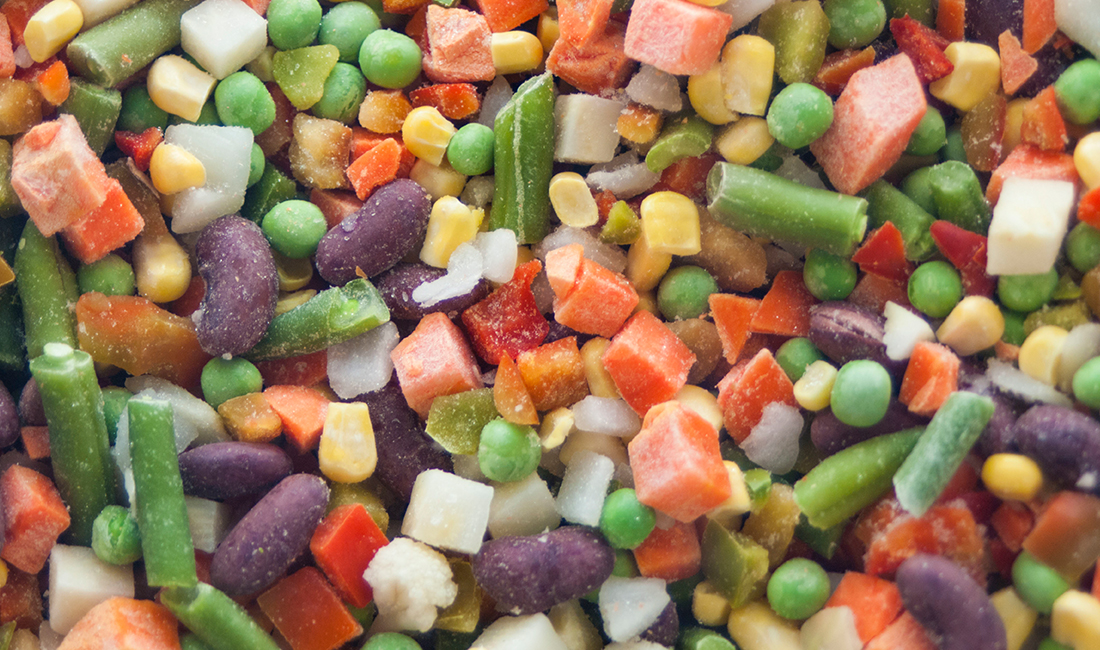
IQF freezing uses more energy per hour than bulk freezing, but it consumes less energy per kilogram of frozen product. The difference comes from freezing speed. IQF (Individual Quick Freezing) freezes each piece in minutes using high-velocity cold air. Bulk freezing takes hours to freeze large blocks of food. While IQF equipment runs at higher power, the shorter freezing time and reduced product loss make it more efficient overall.
Food processors face a real choice between these two freezing technologies. This article breaks down how each method works, compares their energy consumption per kilogram, and explains when bulk freezing can still make sense. Readers will learn which freezing method fits their production line based on product type, volume, and quality goals.
What Is IQF Freezing and How Does It Work?
IQF stands for Individual Quick Freezing. It freezes each piece of food separately instead of in a solid block.
The process uses extremely cold air at temperatures between –30°C and –40°C. High-velocity fans blast this cold air over food items as they move through a freezer on a conveyor belt. The rapid airflow prevents pieces from sticking together and freezes them within minutes.
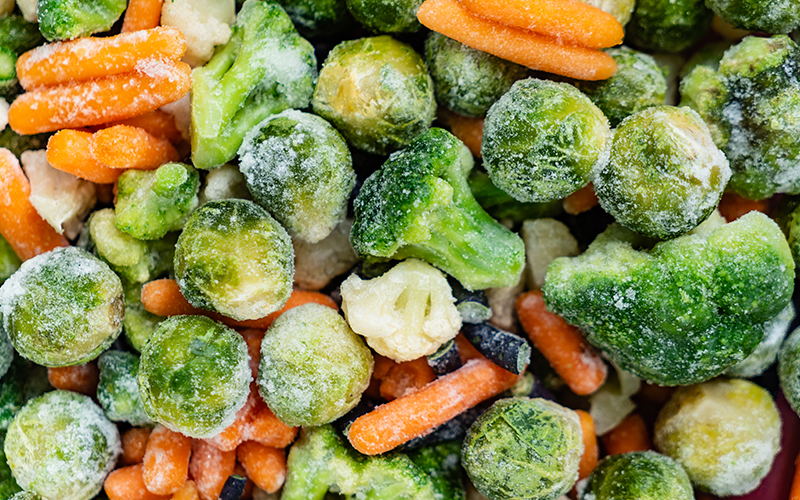
Key features of IQF freezing:
- Each item freezes individually
- Freezing completes in minutes, not hours
- Products remain separate and free-flowing
- Works for berries, vegetables, seafood, meat, and prepared foods
IQF systems use different designs depending on the product. Fluidized bed freezers work best for small items like peas and corn. Spiral freezers handle delicate products like shrimp and bakery goods. Tunnel freezers—including impingement variants that use targeted air jets—suit thin, flat items like fish fillets and burger patties.
What Is Bulk Freezing and How Does It Operate?
Bulk freezing packs multiple food items together in cartons, trays, or molds and freezes them into a single solid mass. The process stacks products close together and exposes them to cold air at temperatures between –30°C and –40°C. This method takes longer than IQF freezing because the packed items insulate each other and slow down heat transfer.
Key characteristics of bulk freezing:
- Products freeze as one solid unit
- Freezing speed is slower than IQF freezers
- Equipment costs less than IQF technology
- Operational costs stay lower due to simpler machinery
- Space efficiency improves because products stack tightly
The carbon footprint per unit can be lower for bulk freezing when processors freeze large volumes at once. However, the extended freezing times require sustained energy input over longer periods. Energy-efficient components in modern blast freezers help reduce power consumption during these extended cycles.
Is IQF Freezing More Energy-Efficient Than Bulk Freezing Per Kilogram?
IQF freezing uses less energy per kilogram than bulk freezing methods. An IQF freezer typically consumes 0.08 to 0.15 kWh per kilogram of product, while bulk blast freezing methods generally use 0.2 to 0.4 kWh per kilogram under comparable operating conditions.
The difference comes from freezing speed. IQF systems use fast freezing to complete the process in 5 to 15 minutes. Bulk methods take 60 to 180 minutes. Shorter run times mean compressors and fans operate for less time, which reduces total energy consumption.
High-velocity cold air in IQF systems delivers another advantage. Equipment like a spiral freezer, tunnel freezer, fluidized bed freezer, or impingement freezer directs air exactly where products need it. This targeted airflow moves heat away from food faster than the slower air circulation in bulk freezing chambers.
Rapid freezing also prevents moisture loss. Products frozen rapidly typically lose around 0.5% to 1.5% of their weight to dehydration, while bulk-frozen items can lose 2% or more depending on cycle duration. Less moisture evaporation means heat exchangers work less to remove humidity from the air, cutting energy use further.
Modern freezer design adds to the savings. A spiral IQF freezer or IQF tunnel built today includes better insulation and efficient refrigerants. These features reduce wasted energy compared to older bulk freezing rooms.
Food processors that switch from bulk to IQF systems often report measurable reductions in energy cost per kilogram, with savings varying by product type, production volume, and equipment generation.
Why Does IQF Use Less Energy Per Kilogram Than Bulk Freezing?
IQF freezing uses less energy per kilogram because it freezes products faster, which reduces the total time refrigeration equipment must run. Bulk freezing takes hours to freeze products into solid blocks, while individually quick frozen items complete the process in minutes.
Faster freezing means less wasted cooling. When products spend less time in the freezer, compressors and fans operate for shorter periods per kilogram processed. Bulk methods cool large masses slowly, requiring extended energy input to reach the same core temperature.
The rapid freezing in IQF systems creates smaller ice crystals that preserve product quality and moisture retention. Bulk freezing forms large ice crystals that rupture cell walls, causing yield loss through product dehydration when thawed. This moisture loss represents wasted energy spent freezing water that drains away.
Pre-chilling products before IQF freezing lowers energy consumption further. Starting with cooler products reduces the refrigeration load inside the freezer. Bulk operations often skip this step because their longer freezing times make the benefit less noticeable.
IQF equipment processes consistent product loads at full capacity, which optimizes energy efficiency. Bulk freezers often run partially filled or with mixed product sizes, increasing energy waste per unit frozen.
The key difference appears in total system efficiency:
| Factor | IQF | Bulk Freezing |
| Freezing time | Minutes | Hours |
| Energy per kg | Lower | Higher |
| Moisture retention | Better | Worse |
| Yield loss | Minimal | Significant |
Modern IQF designs include heat recovery systems and optimized airflow that bulk freezers lack. These features capture waste heat and reduce unnecessary fan power, cutting energy costs without sacrificing freezing performance.
How Do You Choose Between IQF and Bulk Freezing for Your Production Line?
The choice between IQF and bulk freezing depends on several practical factors that shape both your production economics and your final product quality.
Before committing to either technology, evaluate the following considerations:
- Product destination and end market — whether your output goes to retail consumers, foodservice operators, or secondary industrial processors
- Product type and format — small individual pieces, portion-sensitive items, or dense block-format products
- Daily production volume — total throughput requirements and capacity utilization rate
- Quality priority — whether texture, appearance, and portion control directly affect product pricing
- Production flexibility — frequency of product changeovers and batch size variability
- Capital budget and payback expectation — upfront investment capacity versus long-term operating cost tolerance
- Warehouse space and plant layout — available footprint and vertical storage capability
- Labor cost structure — automation level required to control unit labor cost
Once you have weighed these factors against your operation’s priorities, the right choice usually becomes clear.
When to Choose IQF Freezing:
- Products sold to retail or foodservice where appearance and texture drive price
- Small, portion-sensitive items: berries, shrimp, diced vegetables, seafood fillets
- Production line requires fast changeovers between multiple SKUs
- High daily throughput justifies the higher capital investment
- Yield rate and waste reduction are critical to margin
- Adequate warehouse space available for individually frozen storage
When to Choose Bulk Freezing:
- Products destined for secondary processing, such as juice or canning
- Dense, uniform block formats: whole poultry, large meat cuts, fish trays
- Large, consistent batch runs without frequent product switches
- Limited capital budget where lower upfront cost outweighs long-term efficiency
- Constrained warehouse footprint favoring dense block storage
- Appearance and portioning secondary to ingredient functionality
FAQs
What should I never freeze?
Avoid freezing high-water vegetables like lettuce, cucumbers, and celery—ice crystals rupture their cell walls and create mushy textures. Eggs in shells crack, cream-based sauces and mayonnaise separate, soft cheeses turn grainy, and fried foods lose their crispness during thawing.
Is IQF freezing better than regular freezing?
IQF freezes individual pieces within minutes at –35°C to –40°C, forming small ice crystals that preserve texture, color, and nutrients. Regular freezing takes hours, produces larger crystals that damage cells, and fuses products into blocks—making portioning harder despite lower equipment cost.
Why put a penny in the freezer?
Place a penny on top of a cup of frozen water inside your freezer. If the penny later sinks into the ice, the freezer lost power long enough to thaw and refreeze food—signaling possible bacterial growth and unsafe contents to discard.