
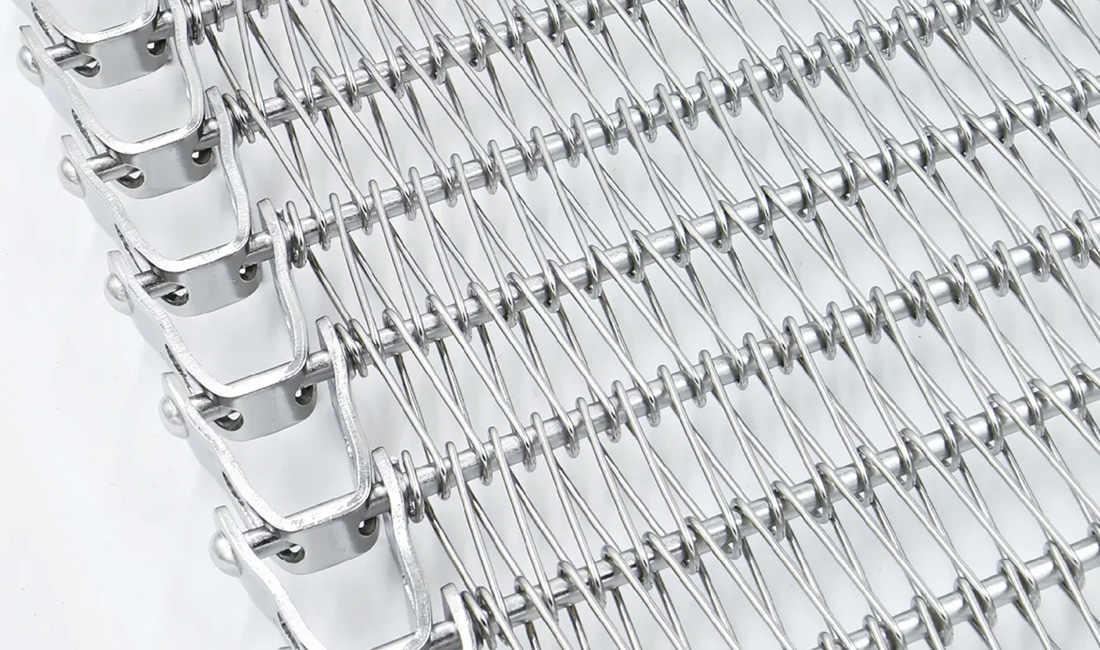
Choosing between stainless mesh and plastic modular spiral freezer belts affects your system’s performance, maintenance, and energy use. Stainless mesh suits high-temp, heavy-duty work, while plastic modular belts are lighter, quieter, and easier to repair. The right choice depends on temperature, product type, and cleaning needs, as well as airflow, strength, and fatigue resistance. Considering durability, cost, and maintenance will help you pick a belt that delivers reliable performance over time.
What Is Spiral Freezer Belt?
A spiral freezer belt is the moving surface inside a spiral freezer that carries products through the cold zone, allowing them to freeze evenly as they travel. It comes in different materials—like stainless steel mesh or plastic modular—each designed to handle specific temperatures, product types, and cleaning requirements while supporting airflow and maintaining consistent freezing.
What Are the Main Differences Between Stainless Mesh and Plastic Modular Spiral Freezer Belts?
The main differences come down to what they’re made of, how flexible they are, how they handle heat, and how easy they are to keep clean. Stainless steel mesh belts are all about strength and stability at high or low temps. Plastic modular belts focus on smooth movement, quick fixes, and lighter handling.
Material Properties and Construction
Stainless mesh belts are made from high-grade stainless wire woven into an open grid, giving them strong tensile strength, good thermal conductivity, and long life. Open mesh ensures even cooling and less frost buildup. Plastic modular belts use interlocking polymer pieces like acetal or polypropylene, which are flexible, corrosion-resistant, and food-safe. They weigh less and allow quick segment replacement, with no risk of metal contamination. Stainless is tougher against scratches, while plastic is easier to maintain.
Types of Spiral Freezer Belt Designs
Spiral freezers use radius-turn belts. Stainless mesh belts flex via metal links and maintain shape under tension, with designs like balanced weave or self-stacker for heavy loads. Plastic modular belts use interlocking modules for flat, flexible surfaces, with mesh tops for airflow or solid/textured tops for delicate foods. Modular design allows fast segment swaps without tools. Both can meet load and sanitation needs if matched to the system.
Temperature and Application Suitability
Stainless mesh handles extreme cold and rapid temp changes, staying aligned under heavy loads, and can work below ‑40°C or in baking/toasting. Plastic modular belts suit moderate freezing, running quieter with low friction, though very low temps may make them brittle. Choice depends on temperature, hygiene, and product type—plastic is lighter and easier on motors, stainless offers durability and consistency for harsher conditions.
What Impacts the Lifespan and Durability of Stainless Mesh vs Plastic Modular Belts?
Stainless mesh and plastic modular belts don’t wear out the same way. Shifts in temperature, load, cleaning routines, and chemicals all play into how long they’ll last. The belt’s surface and structure also matter for how well it handles stress and cleaning cycles.
Wear and Tear Under Industrial Conditions
Stainless steel mesh belts handle extreme temps and heavy loads better, resisting warping or cracking, with open mesh that improves airflow and reduces frost. Plastic modular belts are lighter, quieter, and cushion impacts, but repeated freezing, sharp temp swings, or friction against metal can cause cracks or wear. Monitoring links, drive teeth, and choosing the right steel grade (304/316) extends belt life.
Cleaning and Maintenance Demands
Stainless belts withstand high-pressure washdowns and resist scratches, though open mesh can trap debris, requiring occasional deep cleaning. Plastic belts are easier to clean and allow quick module swaps, but scratches may trap dirt over time. Stainless lasts longer but needs more effort; plastic is simpler to maintain but may wear faster under frequent sanitization.
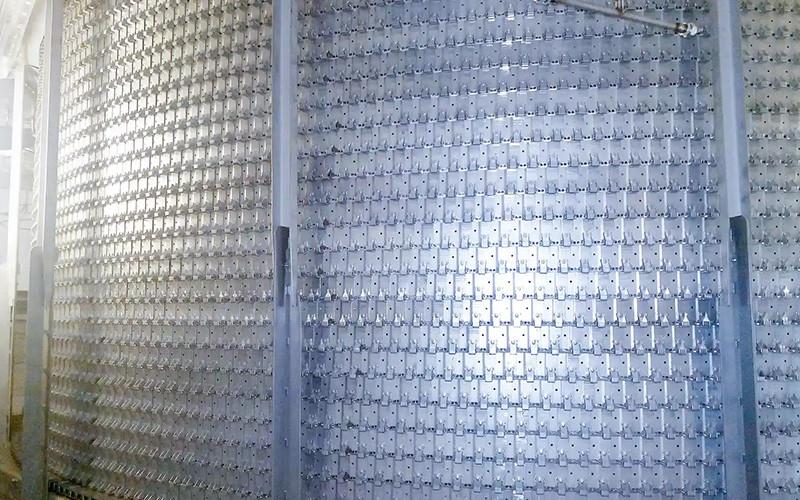
How Does Cost Compare Over Time for Each Belt Type?
Metal mesh belts usually come cheaper up front but might cost more in the long run with maintenance. Plastic modular belts start out pricier but save you downtime and don’t need much lube. Your total spend depends on how long you expect the belt to last, energy use, and how often you’re swapping them out.
Initial Investment and Replacement Frequency
Stainless steel mesh belts cost less upfront ($0.55–$0.90/inch) and can last 10+ years in cold or mixed settings. Plastic modular belts are pricier ($1.10–$1.50/inch) but lighter and easier to repair—damaged sections swap out quickly with minimal downtime. Metal belts may require welding or tech support, increasing long-term costs. Plastic wears faster under heavy or harsh use.
Energy Efficiency and Operational Costs
Metal mesh belts are heavier, need stronger motors, more lubrication, and use more energy, though they transfer cold faster, potentially shortening freeze cycles. Plastic belts run lighter and smoother, requiring less tension and energy, but insulate more, so freezing can take longer. Choosing the right belt balances energy use, product type, and durability.
What Are the Key Criteria for Selecting a Spiral Freezer Belt?
Picking a spiral freezer belt comes down to both the belt’s material and how your freezer runs. Most food plants pick between stainless steel mesh and plastic modular belts, though you’ll see polyester or PVC conveyor belts in some specialty spots. What you choose affects performance, cleaning, and what you’ll spend down the road.
Some big factors to weigh:
- Temperature range: Metal stands up better to high and low extremes.
- Product type and load weight: Heavy products lean toward stainless; lighter or delicate stuff often goes plastic.
- Hygiene and washdown needs: Metal’s open area helps cleaning, while plastic keeps food from sticking.
- Space and layout: Plastic modular belts fit tight spaces and install without much hassle.
- Belt support and maintenance: Stainless needs sturdy frames and some lube; plastic systems run dry and don’t need much attention.
When choosing a spiral freezer belt, pick stainless steel mesh for heavy products, extreme temperatures, or frequent washdowns, and choose plastic modular belts for lighter, delicate foods, tight spaces, or low-maintenance operation.
Frequently Asked Questions
How long do conveyor belts last?
Most spiral freezer belts last around 3–10 years, depending on load, hours, and cleaning chemicals. Stainless mesh belts handle stress and temp swings better but need regular checks for fatigue.
Plastic modular belts can last longer in chillier settings thanks to less friction and corrosion. But they’ll wear out faster if you hit them with sharp temp changes or harsh cleaners.
What is a mesh belt?
A mesh belt is a woven metal conveyor belt, usually stainless steel. It lets air flow through, which helps freeze or dry products faster.
These belts are tough, heat resistant, and work well in spiral freezers, coolers, and ovens. The open design makes cleaning easier and speeds up temperature changes during use.
What is the life expectancy of a belt?
How long a spiral freezer belt lasts depends on its material and workload. Metal mesh belts might show fatigue after thousands of cycles, but you can often repair or adjust them.
Plastic modular belts can run over a million cycles with low wear if you keep them in their comfort zone for temp and load. Maintenance and alignment make a big difference in actual lifespan.
What is the life expectancy of a belt?
Belt life really depends on how you treat it—maintenance habits, the environment, and how tight you keep things all play a part. Stainless steel belts tend to stick around longer in freezing or scorching conditions, while plastic ones don’t mind a bit of corrosion or gunk building up.
If you’re one of those folks who actually checks belt tension, keeps up with cleaning, and pays attention to how many hours it’s been running, you’ll probably get way more life out of any belt, no matter what it’s made from.
