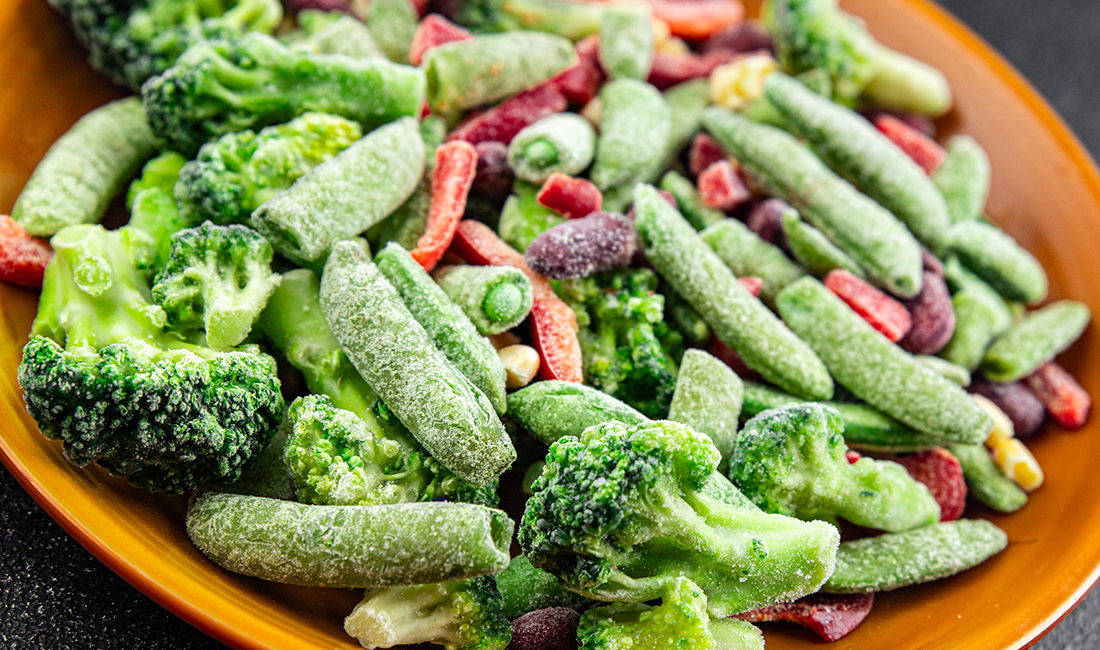
Frozen food can be remarkably healthy when you choose the right options. Plain frozen fruits, vegetables, fish, and lean proteins retain 90–95% of their original nutrients through flash freezing (IQF)—often outperforming “fresh” produce that has spent days in transit losing vitamin C, antioxidants, and folate. The real question is not whether food is frozen, but what’s inside the package: ingredient quality, sodium levels, and processing depth determine the health value.
Drawing on industrial freezing expertise, this guide explains how flash freezing locks in nutrients, which frozen foods are healthiest, how to read nutrition labels, and how to build a balanced diet around frozen ingredients.
Is Frozen Food Healthy?
Frozen foods can be healthy. The health value depends on what’s inside the package, not whether it’s frozen.
Frozen vegetables and frozen fruits often contain more nutrients than fresh produce. Fresh produce loses vitamins during transport and storage. Frozen vegetables are picked at peak ripeness and frozen within hours, which locks in nutrients like vitamin C and antioxidants.
What Makes Some Frozen Foods Healthier Than Others?
The ingredient list determines whether a frozen food is healthy. Single-ingredient frozen foods like frozen vegetables, frozen fruit, and frozen proteins contain no added preservatives or sodium.
Less healthy options contain:
- High sodium (more than 600 mg per serving)
- High saturated fat
- Added preservatives
- Artificial colors
Healthy frozen meals should contain less than 600 mg of sodium and under 3 g of saturated fat per serving. The ingredient count matters. Products with fewer ingredients and recognizable whole foods are better choices.
The nutrition label reveals the full picture. Some frozen meals labeled as healthy are too low in calories and protein. These products won’t keep you full for long. Adding extra frozen vegetables or frozen proteins to premade meals improves their nutritional value.
Plain frozen foods without sauces, breading, or seasoning packets offer more control over salt and fat content. You can add your own seasonings to match your dietary needs.
Which Types of Frozen Food Are the Healthiest?
Frozen fruits, vegetables, and lean proteins rank as the healthiest frozen food options. These foods retain their nutrients through the freezing process and often match or exceed the nutritional value of fresh options.
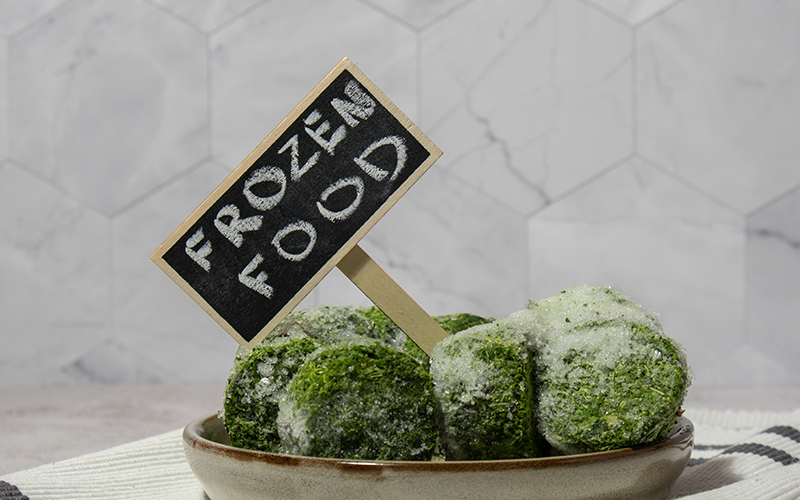
Frozen vegetables like spinach, kale, broccoli, and mixed vegetable blends come pre-washed and pre-cut. They last up to 12 months in the freezer. These vegetables contain fiber, vitamins A and C, and minerals like iron.
Frozen fruits such as berries, mango chunks, and peaches provide antioxidants and vitamins. Berries are frozen at peak ripeness and retain peak quality for 8–12 months. They work well in smoothies or as toppings for oatmeal.
Frozen proteins offer practical alternatives to fresh options:
- Fish: Lean fish like cod lasts 6–8 months frozen, while fatty fish like salmon retains peak quality for 2–3 months
- Chicken and turkey: remain safe indefinitely at 0°F (-18°C) but maintain peak quality for 9–12 months
- Shrimp: maintains its protein and selenium content while staying fresh for months
- Edamame: provides 18.4 grams of protein and 8 grams of fiber per cooked cup
Frozen whole grains like brown rice and quinoa come pre-cooked. They heat up in minutes instead of the 40 minutes required for dried grains.
When selecting healthy frozen meals, look for options with less than 600 milligrams of sodium per serving. Look for brands offering balanced frozen meals with recognizable, whole-food ingredients. Skip meals with added sugars or trans fats.
Frozen avocado chunks, bone broths, and vegetable-based soups round out the healthiest choices. These items contain minimal preservatives due to the natural preservation of freezing.
How Does Flash Freezing Preserve Nutritional Value?
Flash freezing keeps nutrients intact by rapidly cooling food from 0°C to -18°C in under 30 minutes, using industrial blast freezers operating at -35°C to -40°C. This rapid temperature drop stops large ice crystals from forming inside the food’s cells.
Regular freezing creates big ice crystals that puncture cell walls. When cells break, nutrients leak out and the food becomes mushy when thawed. Flash freezing forms tiny ice crystals instead, which keeps cell structure intact.
Key nutrients preserved through flash freezing:
- Vitamin C
- Antioxidants
- B vitamins
- Minerals
Not all frozen food uses flash freezing. The FDA does not require companies to label their freezing method. Packaging may state “flash frozen” or “individually quick frozen” if a company chooses to advertise this process. Without labels, consumers cannot tell which freezing method was used.
How Does Frozen Food Compare to Fresh, Canned, and Ultra-Processed Foods?
Frozen food often contains more nutrients than fresh food sitting in a refrigerator for several days. Spinach loses 100% of its vitamin C after one week at room temperature and 75% when refrigerated, but only 30% when frozen. Green peas, broccoli, and beans lose about half their vitamin C within two days of harvest, but freezing stops this loss immediately.
Canned foods are processed within four hours of picking, which preserves many nutrients. The high-heat sterilization process can reduce water-soluble vitamins like B and C compared to frozen options. However, canned tomatoes contain more bioavailable lycopene than fresh tomatoes due to the heat-processing step, which breaks down cell walls and releases this antioxidant.
Nutritional comparison:
- Frozen vegetables: Blanched and frozen quickly, retaining most vitamins and minerals
- Fresh vegetables: Start losing nutrients immediately after harvest, especially during transport and storage
- Canned vegetables: May lose some B and C vitamins but gain other nutrients like lycopene
- Ultra-processed foods: Often contain added sugar, salt, preservatives, and artificial ingredients that frozen whole foods lack
Frozen meals vary widely in nutritional quality. Basic frozen vegetables and fruits contain no additives or preservatives. Some brands offer healthy frozen meals with whole-food ingredients and balanced nutrition. Other frozen meals contain high amounts of sodium, saturated fat, and preservatives that classify them as ultra-processed.
The key difference is ingredient quality. Frozen whole foods (vegetables, fruits, plain meat) are minimally processed. Frozen meals with long ingredient lists, added sugars, and artificial ingredients fall into the ultra-processed category. Reading labels helps identify which frozen products provide genuine nutrition versus convenience with added chemicals.
What Should You Look for on a Frozen Food Nutrition Label?
Read the ingredient list. Ingredients appear in order by weight, with the most used ingredient listed first. Healthy frozen meals list whole foods like chicken, vegetables, and whole grains at the beginning. Avoid products with long lists of additives or ingredients you cannot identify.
Key nutrients to evaluate:
- Saturated fat: Select options with less than 20% Daily Value (under 4 grams)
- Added sugars: Choose meals with 0-5 grams of added sugars
- Fiber: Look for at least 3-5 grams per serving
- Calories: Most healthy frozen meals range from 250-400 calories
Start with the serving size and servings per container. The nutrition facts on frozen meals show nutrients for one serving, not the entire package. If a frozen meal contains two servings and someone eats the whole package, they consume double the listed calories and nutrients.
Check the protein content next. Healthy frozen meals should contain at least 15 grams of protein per serving. Reputable brands clearly display protein content prominently on the nutrition panel.
Look at sodium levels. The Daily Value for sodium is 2,300 milligrams per day. Choose frozen meals with less than 600 milligrams of sodium per serving, which equals about 26% Daily Value.
How Do You Build a Healthy Diet Around Frozen Foods?
Stock your freezer with plain frozen vegetables, fruits, and lean proteins to build a nutritious diet. These basic frozen items give you control over what goes into your meals without added sodium or sugar.
Plan your meals ahead of time. Pull out frozen meat or fish the night before and thaw it in the refrigerator. This takes about 24 hours for most proteins.
Focus on whole ingredients rather than premade meals. A bag of frozen broccoli contains just broccoli. Frozen meals often include high amounts of sodium and saturated fat.
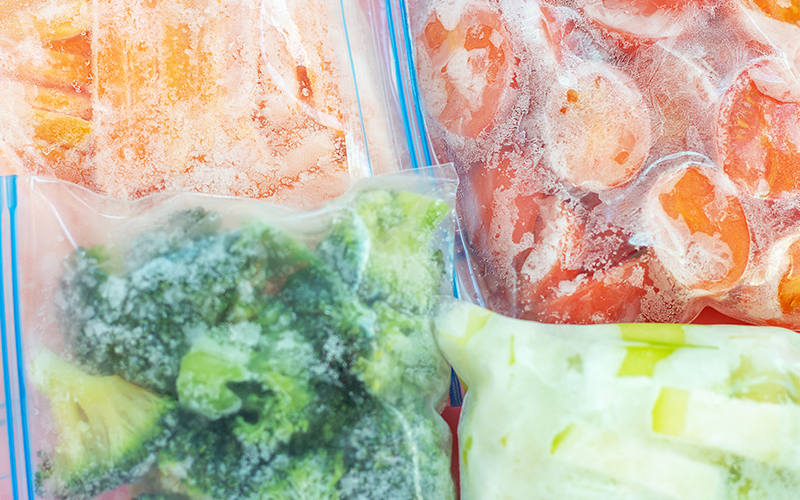
When you do buy frozen meals, check the nutrition label. Choose options with:
- Less than 600 mg of sodium per serving
- Less than 3 g of saturated fat per serving
- At least 15 grams of protein
- At least 3 grams of fiber
Add extra vegetables or protein to frozen meals. A frozen pasta dish becomes more balanced when you toss in a cup of frozen spinach or grilled chicken.
Keep these items stocked:
- Vegetables: broccoli, spinach, mixed vegetables
- Fruits: berries, mango, mixed fruit (no added sugar)
- Proteins: shrimp, chicken breast, fish fillets
- Grains: brown rice, quinoa
FAQs
What are the potential effects of eating frozen foods every day?
Eating frozen foods daily is safe and healthy when you choose plain frozen fruits, vegetables, and lean proteins—these retain peak nutrients. Ultra-processed frozen meals high in sodium, saturated fat, and added sugars are the concern. Check nutrition labels carefully.
What side effects can come from relying heavily on frozen foods?
Heavy reliance on ultra-processed frozen meals can raise blood pressure, cholesterol, and heart disease risk through excessive sodium and saturated fat. Low protein and fiber may leave you hungry quickly. Add fresh or frozen vegetables to balance nutrition.
Are homemade frozen meals nutritionally comparable to freshly prepared meals?
Yes, homemade frozen meals provide nearly the same nutritional value as freshly prepared meals when frozen properly. Freezing preserves vitamins, minerals, protein, and fiber. Homemade options also give you full control over sodium, fats, and vegetable content.
Does eating frozen or processed frozen foods increase cancer risk?
No, plain frozen fruits, vegetables, and lean proteins do not increase cancer risk. The freezing process itself is safe. Risk comes from processed meats like frozen bacon and sausages, classified as Group 1 carcinogens by the World Health Organization.