What Is IQF Shrimp?
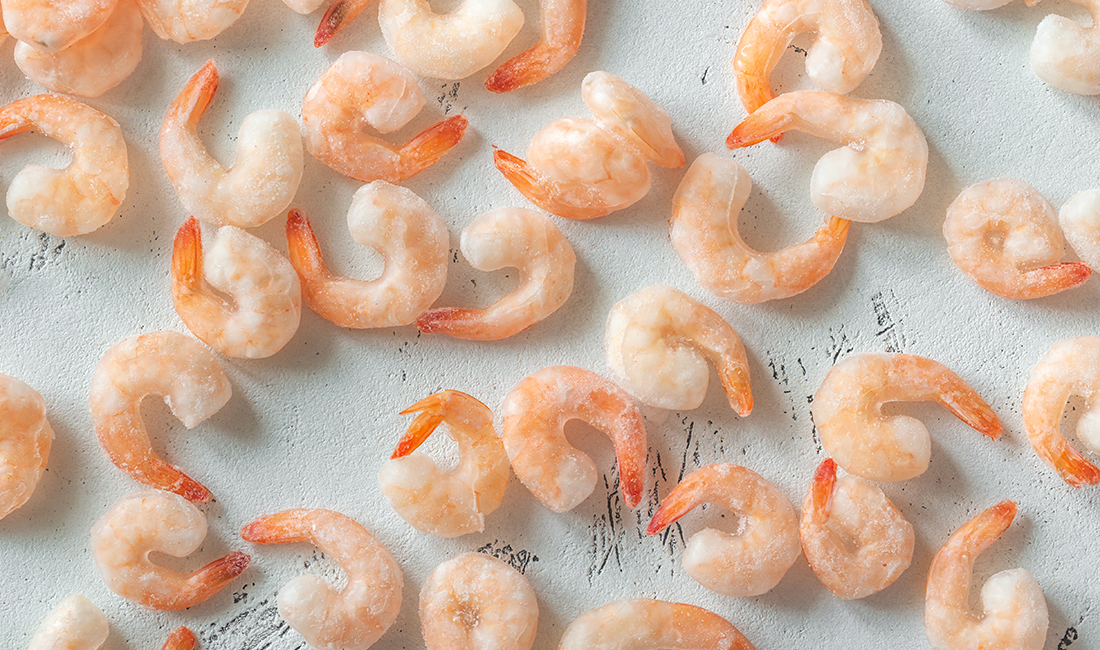
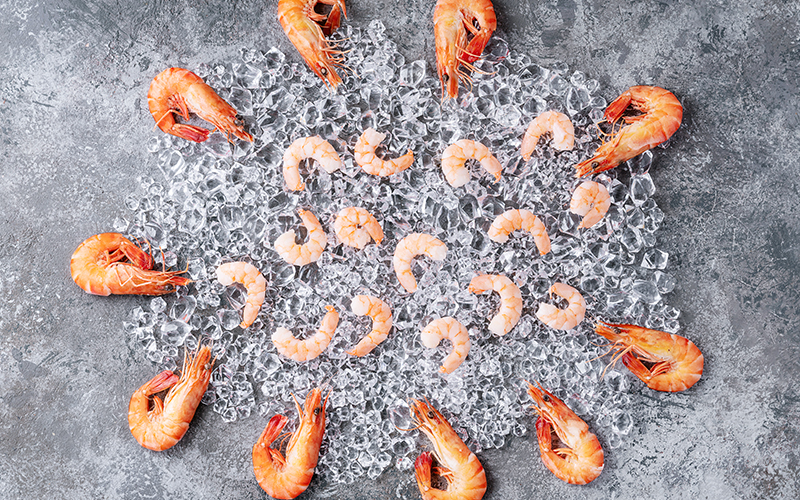
IQF shrimp stands for individually quick frozen shrimp. The process freezes each shrimp separately instead of freezing them together in a clump.
Most shrimp get frozen in land-based facilities within hours of harvest, especially farmed Vannamei and Black Tiger species. The shrimp move through a conveyor belt into a blast chiller, locking in freshness within minutes.
The IQF process offers three main benefits:
- Each shrimp stays separate in the bag
- Cooks can remove only the amount they need
- The remaining shrimp stay frozen without sticking together
IQF shrimp maintains quality better than other frozen shrimp. The fast freezing stops large ice crystals from forming inside the shrimp. Large ice crystals damage the meat and make it mushy. Quick freezing keeps the texture firm and preserves the natural flavor.
The individually quick frozen approach also helps with food safety. Each shrimp freezes in a clean processing facility instead of sitting at a fish counter. The frozen state prevents bacteria growth during storage and shipping.
How Is IQF Shrimp Produced in Industrial Facilities?
IQF shrimp production uses automated equipment to freeze each shrimp separately within 8 to 15 minutes. The process maintains shrimp quality by forming small ice crystals that preserve cell structure and texture.
The production line starts with raw or cooked shrimp entering the facility. Workers or machines grade the shrimp by size and remove shells if needed. The shrimp move through washing stations that remove debris and surface bacteria.
Key processing steps include:
- Washing and grading – Shrimp are cleaned and sorted by size
- Cooking (optional) – Some products require blanching in hot water
- Chilling – Ice water rapidly cools the shrimp to prevent bacterial growth
- IQF freezing – Individual shrimp freeze at -35°C to -40°C in tunnel or spiral freezers
- Glazing – A thin ice coating protects the shrimp during storage
- Packing – Frozen shrimp are weighed and sealed in bags
The IQF technology relies on blast freezing with high-velocity cold air. Tunnel freezers carry shrimp on a single conveyor, ideal for high-throughput lines. Spiral freezers stack belt tiers vertically, saving up to 60% of floor space. Both circulate cold air at -35°C to -40°C to freeze each shrimp in 8 to 15 minutes.
How Does IQF Shrimp Differ From Block-Frozen and Traditional Frozen Shrimp?
IQF shrimp freezes each piece separately, while block-frozen shrimp freezes multiple pieces together in a solid mass. This difference affects how easily buyers can use the shrimp and how well they maintain their quality.
Block-frozen shrimp are pressed into 2-kilogram industry-standard blocks and frozen slowly in plate freezers over 6 to 10 hours. The shrimp stick together in one solid block. You must thaw the entire block to use any of it.
Individually quick frozen shrimp go through a different process. Each shrimp freezes on its own in minutes using extremely low temperatures. The pieces remain loose and separate. You can remove the exact number of shrimp you need without thawing the rest.
The freezing speed makes a major difference in quality. IQF shrimp freeze so fast that only small ice crystals form inside the tissue. Block-frozen shrimp freeze slowly, which creates large ice crystals that damage the texture.
Below is a quick map of their differences:
| Feature | IQF Shrimp | Block-Frozen Shrimp |
| Freezing method | Individual pieces | Solid block |
| Freezing time | Minutes | Several hours |
| Convenience | Use exact amount needed | Must thaw entire block |
| Texture | Better preserved | More damage from ice crystals |
| Storage space | Takes more room | More compact |
Why Does IQF Freezing Preserve Shrimp Quality and Nutritional Value?
IQF technology freezes each shrimp separately at extremely low temperatures within minutes. This rapid freezing creates smaller ice crystals inside the shrimp cells, which prevents damage to the cell walls and muscle fibers.
Traditional slow freezing methods allow large ice crystals to form. These large crystals puncture cell membranes and cause moisture loss when the shrimp thaws. The result is a softer texture and watery appearance.
Key preservation benefits of IQF include:
- Texture retention – Small ice crystals keep shrimp firm and intact
- Moisture control – Less drip loss during thawing compared to block-frozen shrimp
- Nutrient retention – Less drip loss keeps water-soluble vitamins like B12 inside the shrimp
- Flavor consistency – Natural taste remains unchanged from fresh state
What Sizes, Grades, and Forms of IQF Shrimp Are Available?
IQF shrimp comes in sizes ranging from small (200/300 count per pound) to colossal (8/12 count per pound). The numbers indicate how many shrimp are in one pound.
Common Size Counts:
- U/10, U/12, U/15 (Colossal)
- 16/20, 21/25 (Extra Jumbo to Jumbo)
- 26/30, 31/40 (Large)
- 41/50, 51/60 (Medium)
- 61/70, 71/90 (Small)
IQF shrimp is graded as Grade A or Grade B based on quality standards. Grade A has fewer defects and better appearance than Grade B.
Available Forms:
- HOSO (Head-On Shell-On): Whole shrimp, common in Asian and European markets
- HLSO (Headless Shell-On): Heads removed, shells intact
- Easy-Peel: Shells partially split for easy removal
- P&D (Peeled & Deveined): Shells and vein removed
- PDTO (Tail-On): Peeled with tail shell remaining
- Cooked: Pre-cooked and ready to heat
The two main species sold as IQF shrimp are Vannamei (white shrimp) and Black Tiger shrimp. Vannamei is the most common type in grocery stores and restaurants.
How Do You Identify High-Quality IQF Shrimp at the Store?
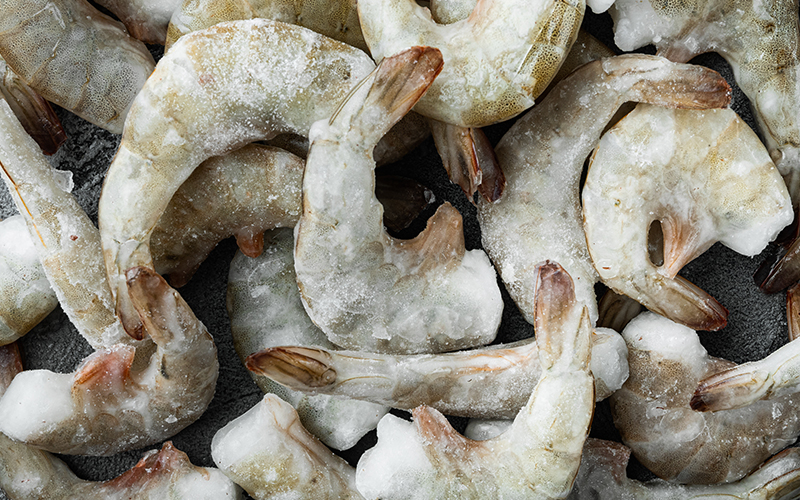
Look through the transparent window on the bag to check for freezer burn. Freezer burn appears as white or grayish spots and indicates the shrimp were poorly handled or partially thawed and refrozen.
The individual shrimp pieces should be separate from each other, not stuck together in clumps. This confirms they were truly frozen individually using the IQF method.
Check the ingredient label before buying. The label should list only “shrimp” with no additives. Some frozen shrimp contain chemical additives that make them retain excess water or extend shelf life.
Signs of quality IQF shrimp:
- No freezer burn visible
- Pieces are separated, not clumped
- Ingredient list says only “shrimp”
- No ammonia smell when thawed
- Firm texture after defrosting
- No black spots (melanosis) on shells or flesh
- Glazing under 10% of net weight stated on label
Avoid bags where shrimp appear stuck together in a solid block. This means they were not individually quick frozen. Block-frozen shrimp show more damage during the freezing process and must be thawed all at once.
The packaging should be intact with no tears or ice crystals inside the bag. Ice crystals suggest the bag was stored at inconsistent temperatures.
How Do You Properly Thaw and Cook IQF Shrimp?
IQF shrimp thaws in the refrigerator overnight or under cold running water in 15 minutes. The refrigerator method takes 8 to 12 hours but prevents bacterial growth. The cold water method requires placing the frozen shrimp in a sealed bag under cold running water.
Thawing Methods:
- Refrigerator thawing: Place IQF shrimp in a bowl on the bottom shelf for 8-12 hours
- Cold water thawing: Submerge sealed bag of shrimp under cold running water for 15-20 minutes
- Direct cooking: Cook frozen IQF shrimp without thawing, adding 2-3 minutes to cooking time
Pat thawed shrimp dry with paper towels before cooking. Excess moisture creates watery dishes and prevents proper browning.
Cooking Methods:
| Method | Temperature | Time |
| Stovetop sauté | Medium-high heat | 2-3 minutes per side |
| Oven broiling | 450°F | 5-6 minutes |
| Air fryer | 400°F | 8-10 minutes |
| Steaming | Boiling water | 3-4 minutes |
Cook shrimp until they turn pink and opaque. Overcooked shrimp becomes rubbery and tough.
How Long Does IQF Shrimp Last and How Should It Be Stored?
IQF shrimp lasts 6 to 12 months in the freezer when stored at 0°F or below. The rapid freezing process prevents large ice crystals from forming, which helps maintain quality during storage.
Proper storage requires keeping the shrimp in its original packaging or an airtight container. This prevents freezer burn and exposure to air. The bag should stay sealed until ready to use.
Frozen shrimp maintains better quality than thawed shrimp at a fish counter. According to NOAA Fisheries, over 90% of U.S. retail shrimp has been previously frozen.
Once thawed, the storage time changes significantly:
- Raw thawed shrimp: 1 to 2 days in the refrigerator
- Cooked thawed shrimp: 3 to 4 days in the refrigerator
The muscle tissue in shrimp starts to break down within 24 hours of thawing. This breakdown causes the shrimp to become mushy and lose its fresh flavor.
Refreezing thawed shrimp is not recommended. The texture and flavor deteriorate further with each freeze-thaw cycle. The best practice is to thaw only what will be cooked immediately.
FAQs
Is IQF Shrimp the Same Quality as Fresh Shrimp?
IQF shrimp often matches or exceeds the quality of “fresh” shrimp at retail. Most “fresh” shrimp on display has already been frozen, thawed, and sits on ice for days. IQF shrimp frozen within hours of harvest retains better texture and flavor.
Why Is IQF Shrimp More Expensive Than Block-Frozen Shrimp?
IQF shrimp costs 15–30% more than block-frozen because each piece requires individual conveyor freezing, more energy-intensive blast freezers, and additional grading and glazing steps. The higher price reflects superior texture preservation, portion control, and reduced thawing waste.
What Does “Sodium Tripolyphosphate” or STPP on IQF Shrimp Labels Mean?
Sodium tripolyphosphate (STPP) is a moisture-retention additive that prevents drip loss and keeps shrimp plump during freezing. FDA-approved at limited levels, but excessive STPP can mask quality issues and inflate net weight. Look for “no phosphates added” labels for cleaner products.
Can You Eat IQF Shrimp Raw?
No, you should not eat IQF shrimp raw. While freezing kills most parasites, raw shrimp can still contain harmful bacteria like Vibrio that only cooking can destroy. Always cook IQF shrimp to an internal temperature of 145°F (63°C) before eating.
Is IQF Shrimp Considered Healthy?
Yes, IQF shrimp is one of the healthiest frozen protein options. A 3-ounce serving provides 20 grams of protein, just 84 calories, plus selenium, vitamin B12, and omega-3 fatty acids. Choose plain unbreaded varieties without added sodium for maximum nutritional benefit.