
Frost buildup on evaporator coils can quietly drain energy, slow operations, and compromise food quality. Choosing between hot‑gas and electric defrost decides how efficiently a refrigeration system recovers from icing and how stable product temperatures stay during each cycle. The defrost method affects more than just system performance. It shapes energy costs, maintenance needs, and how long products stay within safe temperature ranges. A smart choice balances energy efficiency with system reliability and product protection.
Why Defrost Matters in Low-Temp Systems?
In low-temperature refrigeration, frost forms when moisture hits evaporator coils below freezing. This ice blocks heat transfer, reduces airflow, and forces the system to work harder, raising energy use and stressing the compressor. Uneven cooling can affect sensitive products, and poor or infrequent defrosting may cause pressure spikes and extra maintenance. Electric or hot-gas defrost removes frost efficiently, and choosing the right method and timing balances downtime, energy use, and product safety.
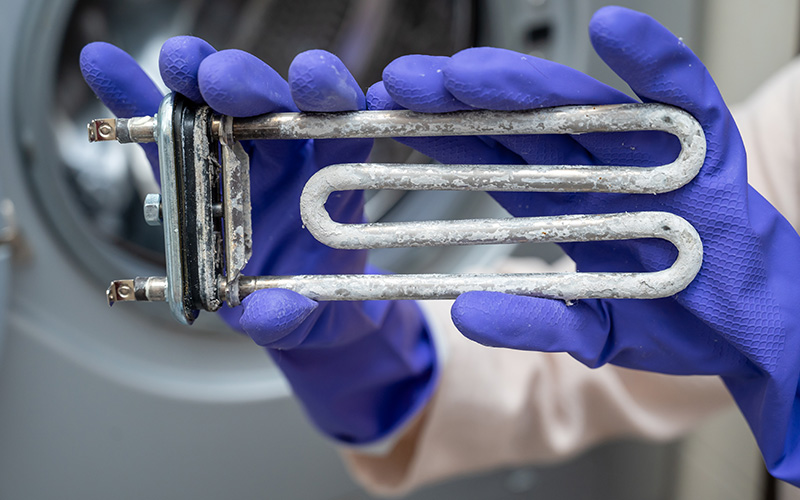
How Electric Defrost Works?
Electric defrost melts frost using heating elements on or inside the evaporator coil once the refrigeration cycle stops. This raises the temperature inside the cold space, spreading heat unevenly and increasing energy use and humidity.
Energy Impact
Only about 30% of the heat melts the frost; the rest disperses into the cold room, forcing the compressor to remove extra heat and increasing overall energy consumption. Frequent cycles also raise utility costs.
Downtime / Defrost Duration
Electric coils take time to warm up, making defrost cycles long—often around 30 minutes each, several times daily. This raises ambient and product temperatures, reducing operational availability.
Product Impact
Heat spreads throughout the space, causing temperature swings and higher humidity. Condensation can form and refreeze, affecting sensitive foods like meat, seafood, and dairy, potentially damaging texture or shelf life.
Typical Applications
Electric defrost is common in small to mid-size units—walk-in coolers, display cases, or low- to medium-temperature rooms—where simplicity and low upfront cost are priorities. Installation and maintenance are straightforward, requiring only wiring and timers.
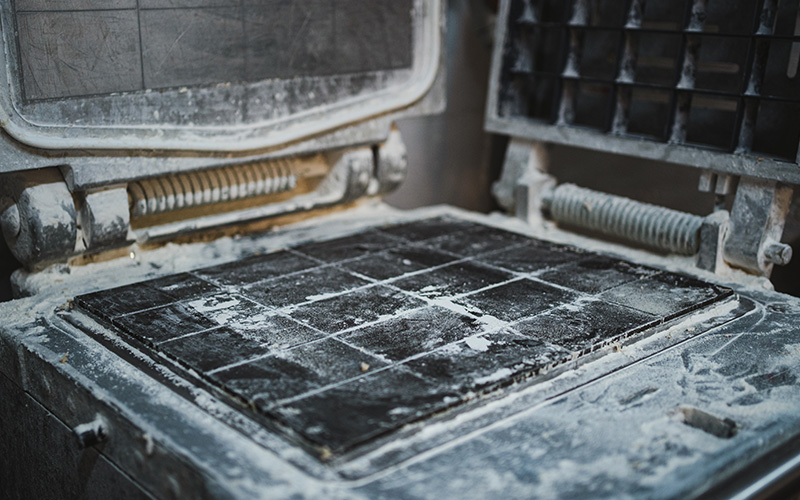
How Hot Gas Defrost Works?
Hot gas defrost melts frost using the system’s own compressor discharge gas, converting existing heat into a defrost source. This provides fast response, efficient energy use, and stable temperatures that protect stored products.
Energy Impact
Superheated refrigerant vapor is redirected through the evaporator coil, with nearly 70% of its heat going directly to ice rather than the air. This reduces energy loss compared to electric heaters and minimizes extra electrical components, lowering maintenance needs.
Downtime / Defrost Duration
Heat is applied instantly, shortening defrost cycles to 8–12 minutes versus longer electric cycles. Shorter cycles reduce downtime and keep air and coil temperatures more stable.
Product Impact
Controlled internal heating limits temperature rises and humidity changes, reducing condensation and the risk of refreezing. Products experience less frost damage, texture change, or moisture-related quality loss.
Typical Applications
Hot gas defrost is ideal for large or high-efficiency systems in distribution centers, food processing plants, and supermarkets. It works well in facilities requiring frequent door openings, precise temperature control, or protection of sensitive goods.
Side-by-Side Comparison
Each defrost method influences how a refrigeration system performs, consumes energy, and protects stored goods. Differences in heat transfer, system design, and control strategy lead to measurable impacts on energy use, maintenance needs, and overall system reliability.
Energy Efficiency
Hot gas defrost uses compressor discharge vapor to melt ice, capturing energy that would otherwise be wasted and reducing total energy demand. Electric defrost relies on resistance heaters, generating heat from electricity, some of which warms the refrigerated space and adds extra load. Hot gas can save 20–40% of defrost energy, while electric remains simpler for small units.
Downtime / Defrost Duration
Electric cycles take 20–40 minutes as heaters warm and transfer heat slowly, raising internal temperatures. Hot gas starts instantly, melts ice in half the time, shortens downtime, maintains steady temperatures, and reduces compressor strain.
Product Temperature & Quality Impact
Electric defrost disperses heat externally, increasing air temperature, humidity, and risk of condensation, which can harm sensitive foods. Hot gas warms the coil internally, keeps product temperatures stable, limits moisture buildup, and reduces re-freezing, protecting texture and shelf life.
Installation Complexity / Maintenance
Electric defrost is easy to install and maintain, with low upfront cost and simple wiring. Hot gas requires piping, valves, and control logic, raising installation cost, but lowers ongoing energy use and downtime. Proper design shifts maintenance focus to valves and refrigerant flow rather than electrical components.
The following table summarizes the key differences between electric and hot gas defrost methods, highlighting their impact on energy use, downtime, product quality, and system complexity:
| Feature / Metric | Electric Defrost | Hot Gas Defrost |
| Energy Use | Uses electrical heaters; ~30% heat melts ice, ~70% lost to room; higher overall energy consumption | Uses compressor discharge vapor; ~70% heat melts ice, less energy wasted; generally 20–40% energy savings |
| Defrost Duration / Downtime | Slow warm-up; cycle 20–40 min; repeated daily → cumulative downtime ↑ | Immediate heating; cycle 8–12 min; shorter downtime; faster recovery; reduces compressor strain |
| Temperature & Product Impact | Heat spreads in cold room; humidity rises; condensation/refreezing risk; can soften or damage sensitive foods | Coil heated internally; stable air temperatures; minimal humidity change; less risk of re-freezing; protects product quality |
| Installation / Maintenance | Simple wiring, heaters, basic controls; low upfront cost; easy maintenance | Requires piping, valves, and control logic; higher upfront cost; maintenance focuses on valves and refrigerant flow; long-term energy & downtime savings |
| Typical Applications | Small to mid-size units; walk-ins, display cases; low- to medium-temperature storage | Large-scale or high-efficiency systems; distribution centers, supermarkets, food processing; frequent door openings or temperature-sensitive products |
How to Choose the Right Defrost Method?
Choosing between hot‑gas and electric defrost depends on system size, performance goals, and energy priorities. Each method affects defrost time, operating cost, and product temperature in the refrigeration unit.
Hot‑gas defrost works best for large or continuous‑run systems. It uses heat from the refrigerant to melt frost inside the coil, which shortens the defrost cycle and lowers moisture buildup. This method helps maintain lower humidity levels, reducing frost formation between cycles and limiting temperature swings in stored goods.
Electric defrost fits better for small or medium systems with simple designs or tight budgets. The setup requires only heating elements and basic controls, making it easier to install and service. However, its defrost time is usually longer, and it can raise compartment humidity if not properly adjusted.
When deciding which system to use, technicians should look at key factors like refrigerant type, compressor design, and piping layout. Matching these components can improve heat transfer and reduce wasted energy.
| Situation | Recommended Method | Key Advantage |
| Large walk‑in freezer | Hot‑gas | Shorter defrost cycle, less energy use |
| Small display unit | Electric | Low installation cost, simpler control |
| Low humidity requirement | Hot‑gas | Less moisture generation |
| Budget‑limited project | Electric | Fewer components and lower setup cost |
To sum it up, when energy efficiency, production continuity, or low-humidity operation is a priority, choose hot‑gas defrost; when system simplicity, smaller scale, or budget constraints are the main concerns, choose electric defrost.
Frequently Asked Questions
What are the disadvantages of hot gas defrost?
Hot gas defrost systems require complex piping and valves, which can raise installation and maintenance costs. They depend on the compressor to supply high-temperature refrigerant vapor, adding stress during each defrost cycle.
If the system is not correctly balanced, pressure changes may cause mechanical strain or uneven heat distribution. In some cases, improper control can also lead to short defrost cycles that fail to remove all ice.
What happens during hot gas defrost?
During a hot gas defrost cycle, high-temperature refrigerant vapor from the compressor discharge is redirected through the evaporator coil. The warm gas flows inside the coil, heating the metal and melting frost or ice that has accumulated on the surface.
As the vapor releases its heat, it condenses back into a liquid and returns to the liquid line. Once defrost is complete, normal cooling resumes, restoring standard evaporator and suction pressures.
What are the three types of defrost?
The main defrost methods used in commercial refrigeration are hot gas defrost, electric defrost, and off-cycle defrost. Hot gas defrost uses compressor discharge vapor to melt frost from within the coil.
Electric defrost relies on electric heating elements placed near or within the coil. Off-cycle defrost happens when the refrigeration system shuts off briefly, allowing warmer ambient air to melt accumulated frost naturally.