
The best IQF strawberry processing equipment keeps each berry intact, clean, and frozen quickly to preserve natural color, flavor, and nutrients. The right system depends on production scale, pr oduct quality goals, and food safety standards like ISO 9001.
Processors use lines that combine washing, grading, optical sorting, and freezing technology to meet export and retail requirements. Modern IQF systems—like those from Cabinplant and OctoFrost—use controlled airflows and precise temperature management to prevent clumping and maintain yield.
Each design treats fruit differently. Understanding how airflow, freezing methods, or sorting sensors affect performance helps identify equipment that delivers both efficiency and gentle handling.
What Is IQF Strawberry Processing Equipment?
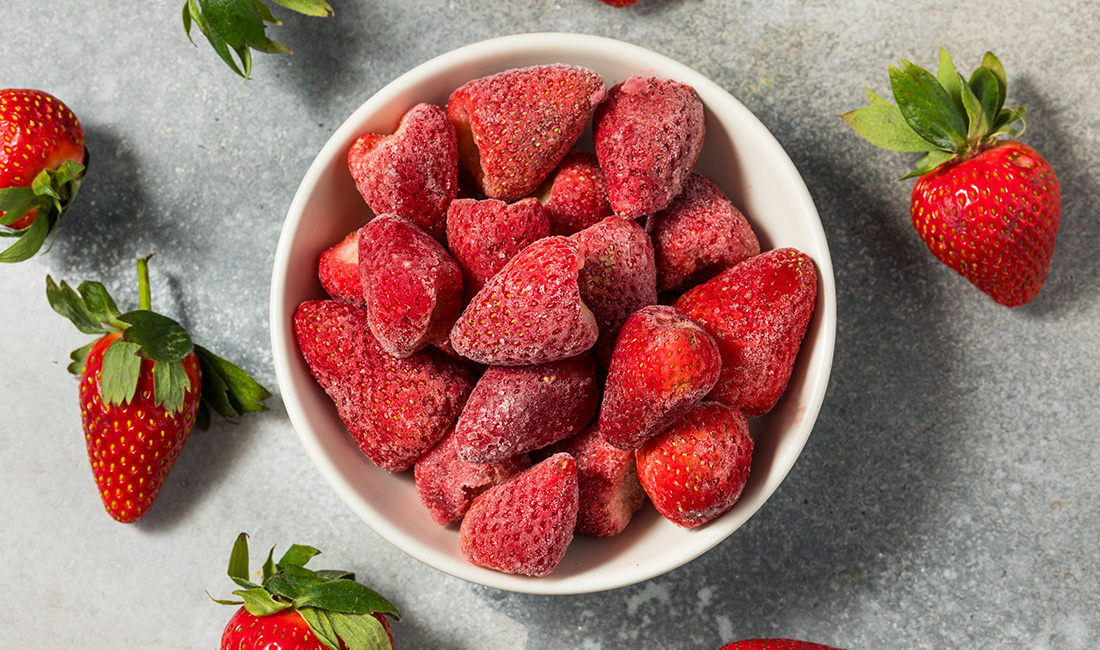
IQF (Individually Quick Frozen) strawberry processing equipment freezes strawberries separately, so each berry remains free-flowing. Rapid freezing—often within minutes—prevents large ice crystals from forming and helps maintain the fruit’s shape, color, and texture.
This method allows strawberries to thaw evenly with minimal loss of firmness. A complete IQF line includes several stages: washing, sorting, cutting (optional), freezing, glazing, weighing, and packing.
Each stage prepares berries for storage or export. Optical sorters use cameras and sensors to detect defects by color and shape, ensuring only berries that meet set criteria continue through the line.
A fluidized bed freezer often forms the core of the IQF system. It pushes cold air through a perforated belt and gently tumbles the berries so they freeze evenly on all sides.
This design keeps berries separate and reduces clumping. Processors can deliver consistent, ready-to-use frozen fruit with this method.
How IQF Strawberry Processing Works Step by Step
The Individually Quick Frozen (IQF) process preserves the natural texture and flavor of strawberries by freezing each berry separately. Unlike block freezing, IQF exposes the product to extremely cold air or liquid nitrogen so that small ice crystals form without damaging the cell structure.
This method keeps the berries firm after thawing. The process includes several steps, from reception and washing to sorting, destemming, optional cutting, pre-cooling, freezing, and packing.
Critical control points include temperature stability, hygienic equipment design, and foreign-body removal. Maintaining these ensures safe handling and consistent product quality.
When Do You Actually Need IQF Strawberry Equipment?
A company needs IQF strawberry equipment when it must freeze large volumes of strawberries while keeping their natural shape, color, and texture for commercial use.
- Export and Retail Demand: When strawberries are sold to export markets or packed in retail-sized bags, IQF systems keep each berry separate. This prevents clumping and makes handling easier for retailers and distributors.
- Foodservice and Ingredient Supply: Processors serving bakeries, smoothie brands, or yogurt producers need berries that are easy to portion. The IQF process freezes each berry individually at low temperatures, avoiding ice buildup that can cause waste or uneven texture.
- High Production Volume: Companies processing more than a few tons of strawberries per day benefit from automation. Integrated equipment for washing, grading, and freezing reduces manual labor and ensures steady throughput.
- Wide Product Range: Plants handling whole, sliced, or glazed strawberries can adjust IQF settings like belt speed and air temperature. This flexibility lowers changeover time and improves packaging consistency.
- Outdated or Inconsistent Freezing: Slow freezing times, berry sticking, or flavor loss signal the need for an upgrade. Modern IQF tunnels maintain airflow and temperature control, resulting in uniform freezing and better yield.
Key Factors to Consider When Choosing IQF Strawberry Processing Equipment
Choosing IQF strawberry processing equipment means balancing production goals, product quality, and long-term operating cost.
- Raw Material and Product Types: The form of the strawberry—whole, halved, sliced, or pieces—determines the type of cutting, washing, and freezing modules needed. Organic or fragile varieties need gentler handling, such as low-impact conveyors and controlled water turbulence, to prevent bruising.
- Capacity and Throughput Requirements: Equipment rated for the right kg per hour ensures smooth operation during seasonal peaks. Allowing a 10–20% capacity margin provides flexibility for future growth or varying fruit sizes.
- Pre-Processing Line and Integration: Lines that combine washing, sorting, and destemming reduce manual handling. Optical sorters using color and shape sensors remove leaves or damaged fruit before freezing, which improves consistency.
- Freezer Type and Freezing Technology: Fluidized bed freezers keep individual berries separate by circulating cold air, while tunnel freezers suit bulk output. The chosen design affects energy load and freezing uniformity, which impacts final texture after thawing.
- Energy Efficiency and Refrigeration System: Energy efficiency, measured in kWh per kilogram, depends on refrigerant type. Ammonia systems offer better performance, while CO₂ systems reduce environmental risk. This choice affects running cost and compliance requirements.
- Hygiene, Cleaning, and Food Safety Compliance: Stainless steel frames with smooth welds meet HACCP and BRC standards. Quick-release belts and open access zones allow full cleaning within short downtimes, lowering contamination risk.
- Product Quality, Yield, and Clumping Control: Consistent air velocity and controlled glazing steps prevent berries from sticking together. These features maintain natural color and minimize drip loss during thawing.
- Automation, Controls, and Data Monitoring: Systems with recipe control manage belt speed, air temperature, and freezing time for each product form. Data logging and remote monitoring improve traceability and maintenance scheduling.
- Service, Spare Parts, and Total Cost of Ownership: Local support and stocked spares reduce downtime. Evaluating total cost of ownership—including maintenance, labor, and energy—gives a clearer picture than equipment price alone.
Comparing IQF Strawberry Freezing Technologies
The processing method for freezing strawberries affects product texture, energy efficiency, and operating costs. Each technology offers strengths in airflow control, freezing uniformity, and flexibility for different production scales.
Fluidized Bed vs Tunnel Freezers for Strawberries
Fluidized bed freezers suspend strawberries on a perforated belt with controlled cold air that freezes each berry individually. Balanced air velocity with berry size and density ensures rapid freezing without clumping or deformation.
This process maintains natural shape and color, which is critical for retail packaging. Tunnel freezers move strawberries on a belt through a long chamber with cold air circulating above and below. They handle large volumes well but generally freeze more slowly.
Slower freezing can lead to slightly larger ice crystals, which may soften the fruit when thawed. Processors prefer fluidized bed systems when high product quality and fast throughput matter most.
Tunnel designs work for bulk processing or when energy supply and space allow larger installations.
Single-Stage vs Multi-Stage Freezing Lines
A single-stage IQF line freezes strawberries in one continuous pass. The design is simpler, with one conveyor and airflow zone, making it easier to clean and maintain.
However, heat load varies from entry to exit, so temperature distribution can be uneven. Operators may need to adjust airflow and belt speed frequently for consistent freezing.
Multi-stage systems divide the process into two or more sections. The first stage rapidly lowers surface temperature, while later stages complete deep freezing.
This division improves moisture retention and lowers weight loss. Multi-stage designs also enable higher production rates because each stage targets a specific temperature range.
Though they cost more, that investment often pays off through reduced product waste and precise quality control.
New IQF Line vs Upgrading Existing Freezers
Choosing between a new IQF line and upgrading existing equipment depends on plant layout, maintenance history, and automation goals.
New lines usually integrate advanced controls such as variable-frequency drives and camera-based sorting.
These features optimize airflow, minimize frost buildup, and allow automated adjustments by berry size.
Operators benefit from reduced manual oversight and improved consistency across batches.
Upgrading older freezers can still save costs.
Adding new fans, improved insulation panels, or a Baudelot water chiller can increase freezing speed and protect berry texture.
Integrating optical sorting and mechanical cleaning modules, as in some modern Cabinplant systems, helps older setups meet food safety standards.
How Much Does IQF Strawberry Processing Equipment Cost?
The cost of IQF strawberry processing equipment varies depending on capacity, features, and build materials.
Small-scale units for pilot production may start around $30,000–$60,000.
Large, fully automated lines can reach $200,000–$500,000 or more.
Several key cost drivers influence pricing:
- Production capacity: Larger systems need stronger compressors and longer conveyor belts. This increases steel use and energy load, raising costs.
- Freezer type: Tunnel and spiral freezers use more complex airflow and insulation systems. They maintain stable −35 °C evaporation and −18 °C discharge temperatures, which lowers energy loss per batch.
- Automation level: Adding optical sorters or frequency-controlled belts increases accuracy and reduces labor but adds expense due to electronic components and controls.
- Material and construction: Using SUS304 food-grade stainless steel raises initial investment. It resists corrosion from acidic fruit juice, reducing long-term maintenance costs.
Buyers should also consider installation, refrigeration systems, and warranty services in the total project budget.
These can add 10–20% to the base equipment cost, especially when customization or on-site training is included.

Checklist: How to Choose the Best IQF Strawberry Solution
When comparing IQF strawberry systems, buyers should first define processing capacity.
The system must match expected throughput in kilograms per hour.
A mismatch may lead to uneven freezing or lower yield.
Review the line’s freezing belt width and airflow rate to confirm they can handle the intended load.
Gentle handling is another critical factor.
Lines that use vibrating graders and low-drop conveyors prevent bruising and preserve fruit texture.
Strawberries have soft skins that rupture easily under impact, causing juice loss and stickiness during freezing.
Equipment with multi-stage cleaning—like air blow-off units, flotation washers, and mechanical filtration—provides consistent food safety standards.
Because strawberries differ in field residue and soil type, adjustable washing systems help avoid overuse of water while maintaining purity.
This makes it easier to comply with ISO 9001 and HACCP guidelines.
Before packing, systems that allow size grading and optional glazing produce better product uniformity.
Grading separates berries into defined categories, while glazing adds a thin ice layer to protect against dehydration in cold storage.
This reduces product waste and lowers rejected shipments.
Attention to integration and maintenance improves long-term reliability.
Units with stainless steel frames, sealed bearings, and easy-access covers simplify sanitation.
This leads to shorter cleaning cycles, less downtime, and a longer service life for the freezing line.
FAQ
Can the same line handle whole and sliced strawberries?
Yes. Most IQF strawberry lines include adjustable cutting and grading modules. By selecting different blade types and conveyor speeds, operators can process either whole or sliced strawberries without changing the main freezing tunnel.
This flexibility lets producers switch product types with minimal downtime.
How do IQF lines prevent strawberries from clumping together?
They use individual quick freezing (IQF), which blasts cold air evenly around each berry on a perforated belt. Each piece freezes separately because surface moisture turns to ice before the berries touch.
This process keeps the frozen strawberries loose and easy to portion.
What is the typical freezing time for IQF strawberries?
The average cycle lasts 4 to 10 minutes, depending on berry size and air velocity. Faster freezing preserves structure because smaller ice crystals form.
How often do IQF strawberry freezers need cleaning?
Operators usually clean the equipment daily or after each production batch. Stainless steel belts and smooth interior panels allow quick washdowns with food-safe detergents.
Frequent cleaning reduces bacterial buildup and ensures compliance with HACCP standards.
Can one IQF line handle multiple types of berries?
Yes, many systems process strawberries, blueberries, and raspberries by adjusting feed and airflow settings. Separate sorting screens and optical sensors detect product differences.
This setup allows operators to use one line for different berries while maintaining food safety.