
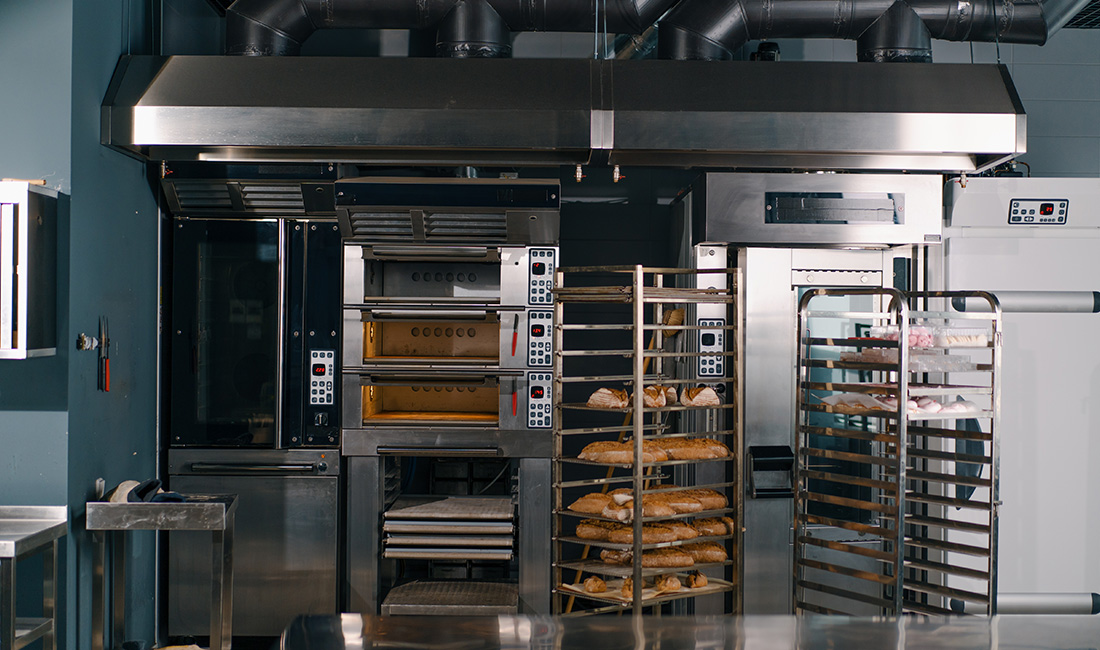
Picking the right IQF bakery processing equipment can really shape how a bakery runs—and how reliably it churns out great products. The best setup fits the bakery’s production needs, product types, and output goals, blending the right automation, freezer tech, and supporting machines.
From mixers and dough sheeters to spiral freezers and deck ovens, every part should work together to keep performance up, food safe, and energy costs in check.
Modern bakeries feel the squeeze to make more, spend less, and still hit high quality. The right IQF system helps by freezing pastries, bread, cookies, and dough fast—without ruining texture or flavor.
Whether you’re eyeing new or used bakery gear, focus on compatibility, reliability, and easy cleaning. That’s what keeps things running smooth.
This guide breaks down what IQF bakery processing actually means, how the tech works, and how to pick the best equipment lineup. You’ll also get insight into system design, automation, ROI, and how to choose a solid supplier.
What Is IQF Bakery Processing And Why Does It Matter?
IQF bakery processing freezes individual baked goods or dough pieces quickly to hold onto their texture, flavor, and quality.
- Definition: Individual Quick Freezing (IQF) freezes each bakery item—think dough balls, pastries, croissants, or half-baked breads—separately using chilled air in a tunnel or spiral freezer.
- Method: Unlike bulk freezing, IQF freezes items one at a time in just minutes. This speed stops big ice crystals from forming, so the crumb and crust stay intact.
- Quality Control: The process locks in moisture and flavor without wrecking the dough’s structure. Bakers get consistent proofing and avoid texture loss after thawing.
- Efficiency: IQF systems keep production moving and make handling a breeze. You can freeze different items together without cross-contamination, which smooths workflow and cuts downtime.
- Product Flexibility: IQF bakery products range from raw dough to par-baked or fully baked goods. Each one keeps its shape and finish after freezing, making portioning and later baking way more predictable.
- Storage and Distribution: Quick freezing stretches out shelf life and makes storage simple. Frozen items can be separated and used as needed, which is great for export, retail, or ready-to-bake lines.
- Sustainability: IQF helps bakeries cut waste and spoilage, so they use energy and ingredients more wisely—and keep products tasting fresh.
How an IQF Bakery Processing Line Actually Works
An IQF (Individual Quick Freezing) bakery line freezes baked goods or dough pieces fast and separately, so they keep their shape, flavor, and texture during storage and shipping.
- Method: Prepared dough heads through mixers and dividers. Each piece gets shaped and might go through proofing cabinets to build volume before baking or freezing.
- Baking Stage: Some products bake or par-bake in ovens, setting crust and texture but keeping the inside ready for future baking.
- Cooling Step: After baking, a cooling conveyor or chamber brings the temperature down to prep for freezing and avoid frost problems in the freezer.
- Freezing Stage: A spiral or tunnel freezer blasts cold air—often around -35°C—to freeze each piece fast. This stops big ice crystals and protects delicate textures like flaky pastry.
- Equipment Integration: Infeed conveyors, coolers, IQF freezers, outfeed conveyors, and metal detectors all work in a row. The packaging line seals products in food-safe wraps for storage or shipping.
- Applications: Bakeries use IQF for dough, par-baked bread, pizza bases, or pastries. Freezing individual pieces lets them schedule production better, cut waste, and keep quality up until final baking or sale.
Types Of IQF Freezers For Bakery Products (And When To Use Each)
Different IQF freezers fit different bakery needs, depending on product shape, output, and space. Every type uses fast cold air to freeze items quickly while keeping texture and taste right.
- Spiral Freezers – These move products on a spiral belt through a cold air zone. They handle big volumes in a small space, which is perfect for non-stop production. The spiral design gives even freezing and gentle handling. ○Best for: breads, buns, pizza bases, and bigger bakery items. ○Pros: high capacity, saves space, and keeps products from getting banged up.
- Tunnel Freezers – These use a straight conveyor through different temperature zones. They’re flexible for all sorts of baked goods and are easy to clean or maintain. ○Best for: croissants, rolls, pastries, and dough pieces. ○Pros: simple build, solid throughput, and you can swap product types quickly.
- Fluidized Bed Freezers – These float small bakery items on cold air, freezing each bit on its own. That keeps things from sticking and holds the shape. ○Best for: crumbs, toppings, or small filled pastries. ○Pros: even freezing, no clumping, and great moisture retention.
Your choice depends on product size, output targets, space, and SKU variety. Big operations with tight spaces often pick spiral systems, while those making lots of different or delicate items might go for tunnel or fluidized bed models.
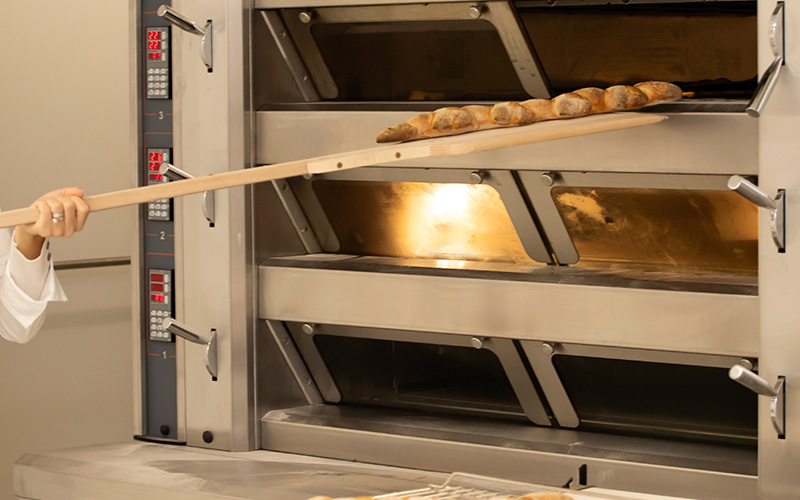
Step-By-Step Framework to Choose the Right IQF Bakery Processing Equipment
Step 1 – Define the Bakery Product Portfolio and Specs
List your main products—bread, croissants, pizza bases, sweet pastries. Figure out if you’re freezing dough, par-baked, or fully baked goods. Each stage changes how fast and evenly things need to freeze. Don’t forget about product size, shelf life, and the texture you’re after.
Step 2 – Calculate Required Capacity and Peak Loads
Work out your output in kg/hour or pieces/hour. Count the shifts and any busy seasons. If you run 500 trays an hour, your freezer has to keep up—no bottlenecks allowed.
Step 3 – Set Quality Targets
Decide what matters: do you want to avoid ice crystals, keep crusts intact, and keep volume after thawing? Test equipment during trials to see how it performs with your real products.
Step 4 – Define Hygiene and Food Safety Requirements
IQF bakery gear should use stainless steel, cleanable designs, and allow easy access for cleaning. Some systems add CIP (Clean-In-Place) tech to save time and keep hygiene steady.
Step 5 – Evaluate Energy, Refrigeration, and Utilities
Compare refrigerants like ammonia or CO₂ for efficiency and safety. Look at energy use, defrost cycles, and what power you’ve got—these all affect running costs.
Step 6 – Check Layout, Footprint, and Integration
Measure floor space, ceiling height, and how things flow between ovens, proofers, and packaging. A compact spiral freezer fits tight spots, while a tunnel system works for bigger, continuous lines.
If space is tight and you need flexibility, go with a spiral IQF freezer. If you need high output and your products are all the same, a tunnel IQF freezer is the way to go.
Example Line Concepts For Different Types Of Bakeries
Every bakery is different, so IQF (Individually Quick Frozen) line setups have to fit. Batch size, product range, and space all matter. The right refrigeration and handling gear keeps products consistent and protects texture and taste.
Compact IQF lines are great for small or mid-size bakeries making up to about 500 kg per hour. These lines usually have one freezer, a feeder, and a simple conveyor system. Semi-auto loading keeps labor low but still lets you jump in manually. Space-saving spiral or tunnel freezers help keep quality up without hogging floor space.
High-capacity IQF lines work for big industrial bakeries pushing 500–2,000+ kg per hour. These setups might use several spiral freezers, buffer conveyors, and automated packing. Central refrigeration keeps temps steady. Linking freezing, packaging, and palletizing helps everything flow and cuts down on handling.
Some bakeries have to pick between multi-product and dedicated lines. Multi-product lines give flexibility—handy if you make pastries, bread, and filled goods on one system. But switching between products means more cleaning. Dedicated lines focus on one item, like croissants or dough pieces, which boosts efficiency but limits variety.
| Line Type | Typical Capacity | Main Features | Suitable For |
| Compact IQF | ≤500 kg/h | Single freezer, simple conveyors | Small/medium bakeries |
| High-Capacity IQF | 500–2,000+ kg/h | Spiral freezers, automation | Industrial bakeries |
| Multi-Product | Variable | Quick changeovers | Product diversity |
| Dedicated | Fixed | Optimized throughput | Large-volume single products |
Cost, Energy Use and ROI of IQF Bakery Processing Equipment
An IQF bakery line isn’t a casual purchase—it can be a hefty investment. Its value really depends on things like system size, material quality, automation, and the refrigeration system.
Bigger freezers and high automation tend to bump up the initial cost. But, in most cases, they also boost efficiency and help keep results consistent.
When you go with equipment made from tough, food-grade materials, you’re likely to get a longer service life and spend less on repairs down the road.
Operating expenses come from energy, labor, and maintenance. IQF systems focus on energy-efficient freezing, using tight airflow and temperature control to lower kWh per kilogram.
Automated handling cuts down on manual labor and reduces breakdowns from human error. If you stick to regular cleaning and preventive maintenance, you can keep day-to-day costs pretty predictable.
Rapid freezing preserves product quality and extends shelf life, which means less waste and fewer returns. You also get more consistent output, so you can offer more products and maybe even improve your profit margins.
| Cost Factor | Traditional Freezing | IQF System |
| Initial Investment | Lower | Higher |
| Energy Use | Higher per kg | 20–30% lower |
| Product Waste | Frequent clumping, higher loss | Minimal waste |
| Labor Demand | Manual handling required | Automated and efficient |
| Estimated Payback Period | 2–3 years | 18–24 months |
When you stack up the savings from energy, waste, and labor against the initial spend, most bakeries find they hit ROI in under two years.
Hygiene, Cleaning and Maintenance in IQF Bakery Freezers
Hygiene isn’t just about food safety—it affects how well your equipment runs, too. IQF bakery freezers should have smooth, sloped surfaces, sealed joints, and easy access to belts and conveyors so dough, crumbs, or frost don’t build up.
Stainless steel and fewer flat ledges help keep moisture and bacteria down. Regular cleaning is a must if you want freezing performance to stay on point.
Many new systems use Clean-In-Place (CIP) tech, which automates washing and rinsing with water jets and spinning nozzles. This cleans inside the freezer without taking it apart—saves a lot of hassle.
Some bakeries still do quick manual checks for those hard-to-see spots. Cleaning schedules depend on how you run things.
- Daily: quick rinse and surface sanitization
- Weekly: full wash with detergent and rinse cycles
- Between SKUs: allergen changeovers and inspection of belt surfaces
Maintenance keeps things from breaking down unexpectedly. Techs check for ice buildup, belt misalignment, and bearing wear, since these can throw off cooling or make weird noises.
Door seals need a regular look, too—they help hold temp and save energy.
| Common Issue | Prevention Method |
| Frost or icing | Maintain defrost cycles and adequate airflow |
| Belt tracking problems | Adjust tension and pulleys routinely |
| Bearing wear | Lubricate and replace as scheduled |
| Seal degradation | Clean gaskets and inspect after shifts |
Stay on top of cleaning and routine care, and your freezer will last longer and run smoother for those long bakery shifts.
Automation, Controls and Data for IQF Bakery Lines
Modern IQF bakery lines lean heavily on automation and controls to keep products consistent. Automated systems take care of repetitive steps—mixing, portioning, freezing, packaging—with more accuracy than people can manage.
They cut down on mistakes and usually help you get more done with less waste. Automation options range from robotic depanners to automatic tray handlers and pick-and-place units for loading freezers or packaging trays.
These machines help prevent product damage and keep things moving between steps. The setup you pick really comes down to your product shape, speed, and how much floor space you’ve got.
It’s smart to monitor a few main process parameters:
| Parameter | Purpose |
| Product core temperature | Ensures even freezing without damaging texture |
| Air temperature | Maintains consistent freezing conditions |
| Belt speed | Controls dwell time and throughput |
| Dwell time | Balances product quality with production output |
Smart controls and PLC systems track these numbers in real time and tweak setpoints as needed. If you keep an eye on things, you’ll waste less and avoid random downtime.
Data collection and analysis matter more than they used to. Operators use recipe management tools to save temperature and speed settings for each product.
Digital records—batch histories, alarms, performance logs—help you spot trends and fine-tune how your equipment runs. Over time, that adds up to more consistent quality.
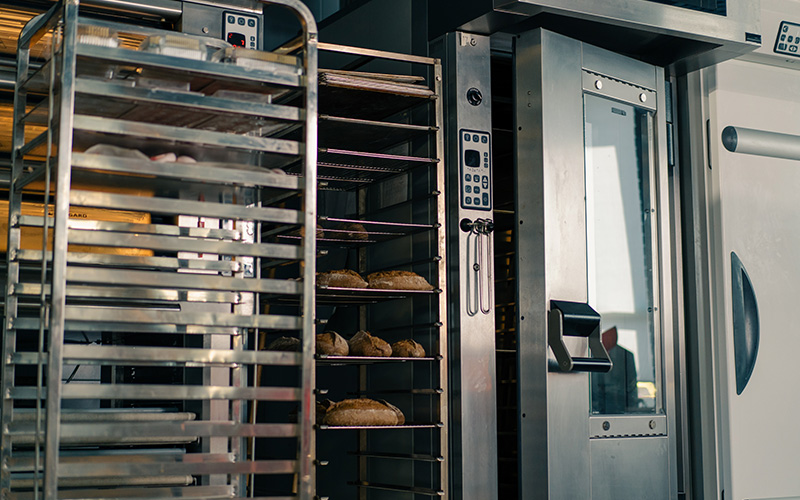
How To Evaluate IQF Bakery Equipment Suppliers
Picking a supplier for IQF bakery equipment isn’t just about the specs. You’ve got to look at their experience, how they build things, and whether they can handle real-world production demands.
A good supplier understands bakery processes—open dough, allergens, nonstop schedules. Key factors to assess include:
- Compliance with food safety standards like HACCP or GFSI
- Ability to deliver consistent freezing for baked goods
- Clear pricing, warranty info, and long-term support
Testing is a big deal. If suppliers offer product trials or test center access, you can see how their machines handle your recipes before you commit.
Checking bakery references gives you real feedback on performance. After-sales service can make or break your production schedule.
Bakers need 24/7 technical support, remote diagnostics, and fast spare parts—especially during busy seasons. Strong service means less downtime and fewer headaches.
Comparing local and international suppliers? Weigh price against support and financing. Locals might respond faster and be easier to talk to, but big global players often have more experience and resources.
| Evaluation Area | What to Check | Why It Matters |
| Certification | HACCP, GFSI, USDA | Ensures food safety compliance |
| Testing Access | Product trials, demo centers | Confirms equipment suitability |
| After-Sales Support | 24/7 help, spare parts, training | Maintains continuous production |
| Supplier Type | Local vs international | Balances service quality and cost |
Checklist: Criteria for Choosing the Best IQF Bakery Processing Equipment
Selecting IQF bakery equipment is a balancing act—performance, efficiency, compliance. Each piece affects your product consistency, safety, and what you’ll spend in the long run.
A checklist helps you zero in on systems that fit your production goals and technical needs. Key Factors to Evaluate:
| Criterion | What to Check | Why It Matters |
| Product & Quality Fit | Equipment must handle specific dough textures, moisture levels, and freezing requirements. | Ensures consistent taste, texture, and appearance after freezing. |
| Capacity & Layout Fit | Machines should match production volume and fit within plant space and workflow. | Prevents bottlenecks and supports steady output. |
| Hygiene & Compliance | Stainless-steel design, smooth surfaces, and easy-access panels simplify cleaning. | Reduces contamination risk and meets food safety standards. |
| Energy & Operating Cost | Look for efficient compressors, airflow systems, and automation features. | Lowers long-term costs and supports sustainable operation. |
| Support, Training & Service | Vendors should provide installation, maintenance, and operator training. | Improves uptime and safe equipment use. |
When you compare equipment, check out freezing capacity, cooling time, and how evenly they keep things cold. These details keep your products in good shape batch after batch.
It’s smart to ask about maintenance schedules and spare part availability too. Solid vendor support means you’ll bounce back quicker when something goes wrong, keeping production on track.
FAQ
Can I freeze both dough and par-baked products on the same IQF line?
Yes, you can. But the product type and moisture content make a difference. Dough products let off more moisture, so you need tighter airflow control to stop ice from building up.
Par-baked items—like half-baked rolls or pastries—do better with lower air velocity and a tweak to belt speeds so the crust stays right. To make one line work for both, bakeries often use recipe-based controls that change air temp, fan speed, and belt time for each product.
This lets you switch between batches fast, no big manual changes needed. Still, cleaning between runs is a must. Sharing equipment ups the risk of flavor transfer or contamination, so automated clean-in-place (CIP) and separate trays help keep things clean and products consistent.
How long does it take to install an IQF bakery freezer?
Installation time varies. It depends on the system’s size, the layout, and whether the site already has refrigeration infrastructure.
If you’re going with a compact spiral freezer, expect about two to three weeks. For large multi-spiral systems, the whole process can stretch out to six or even eight weeks from delivery to full operation.
First, you’ll need to prep the foundation. Then comes unit assembly, hooking up electrical and refrigerant lines, and setting up control systems.
Factories that plan utilities and access routes before delivery usually shave off a few days. It’s worth the effort.
Before starting up, technicians check temperatures and test the belt tracking. Staff training usually takes another day or two.
If equipment suppliers, builders, and refrigeration engineers coordinate well, you’ll see less downtime and a smoother install. That’s the hope, anyway.
Do I need a separate freezer for gluten-free products?
You don’t always need a separate IQF freezer, but strict cross-contamination controls are absolutely necessary. Gluten-free products have to stay isolated from wheat-based items at every stage, including conveyors and cold storage.
Some bakeries stick to dedicated production windows. They’ll run only gluten-free batches after doing a thorough cleaning of the IQF line.
A solid sanitation routine matters—a lot. That means removing belts and sanitizing surfaces to keep residue away.
If you’re making enough gluten-free goods, a dedicated spiral freezer might be worth it. It helps with compliance, cuts down on cleaning time, and lowers the risk when other products contain wheat or barley.
Every bakery’s different, so weigh your costs, space, and regulations before making the call. There’s no one-size-fits-all answer here.
What is the typical lifetime of an IQF bakery spiral freezer?
If you take care of it, a spiral freezer usually lasts around 15 to 20 years. The build quality, how often you clean it, and whether you keep up with compressor and fan maintenance all play a part.
Freezers built with stainless steel frames and non-corrosive materials tend to hold up better, especially in those humid bakery settings. It really helps to check belts, bearings, and evaporator coils regularly—those little things can save you from a big headache later.
Most manufacturers will give you a service schedule, and they’ll usually suggest replacing fan motors every 5–7 years. Bearings often need swapping out at about the 10-year mark.
Sometimes, updating the software or sensors can keep things running smoother for longer, maybe even past what the original design intended.