
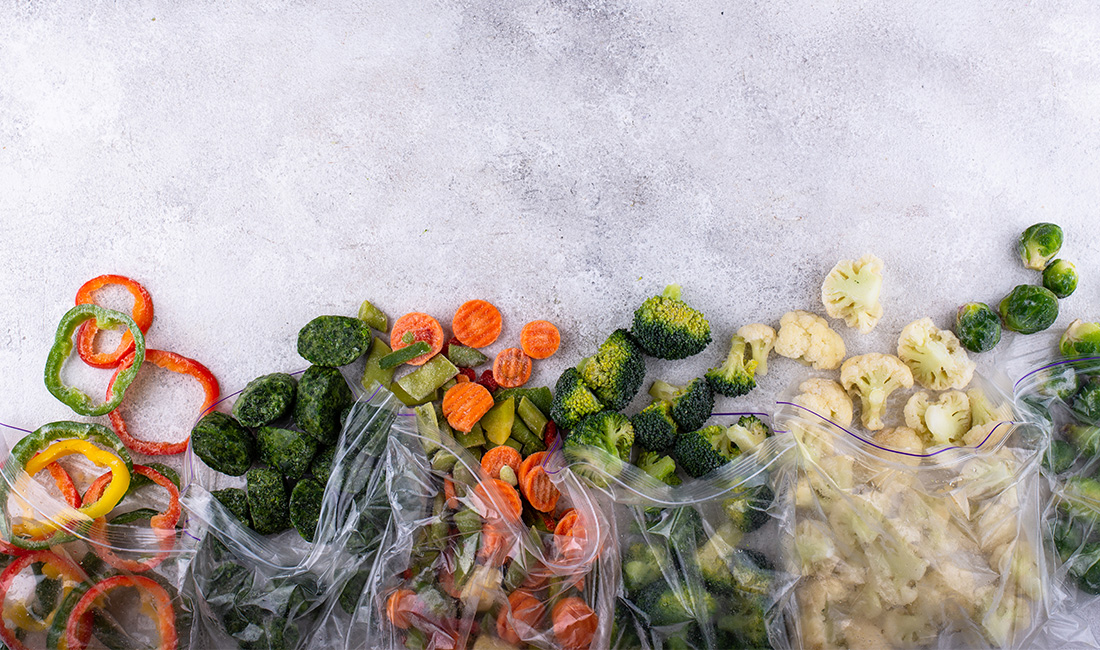
Rapid freezing equipment boosts food quality and freshness by instantly dropping the product’s temperature. This prevents large ice crystals from forming and preserves the food’s natural texture, flavor, and nutrients.
People often call this process Bireysel Hızlı Dondurma (IQF). It slows microbial growth and enzyme activity, so seafood, vegetables, meats, and bakery goods keep their original state.
In practice, food keeps its integrity from the freezer to your plate. Food processors rely on air-blast, fluidized bed, immersion, and cryogenic freezers to get reliable results.
Since these systems freeze each piece separately, they stop clumping and cut down on waste. For industrial operations, this control means a longer shelf life and higher yield, all without sacrificing safety or sensory quality.
This article covers how rapid freezing technology improves food quality and freshness. It looks at why these factors matter in industrial production, and how different equipment types perform depending on the situation.
You’ll also find tips on configuring and measuring equipment performance. Plus, there’s a look at how Square Technology’s IQF systems deliver measurable freshness retention with a bit of engineering know-how.
How Can Rapid Freezing Equipment Enhance Food Quality And Freshness
Rapid freezing equipment cools food quickly enough to form small ice crystals. These tiny crystals do less damage to cell walls, so food keeps its texture and moisture closer to how it was before freezing.
By dropping temperatures fast—often to -40°C or below in methods like blast freezing, kriyojenik dondurma, or IQF—the natural shape and color of foods stick around. Fruits stay firm, fish fillets keep their flake, and sauces avoid turning grainy after thawing.
These systems also cut down on nutrient loss. Shorter freezing times mean less exposure to oxygen and enzymes, so more vitamins and flavors stick around. Food ends up tasting a lot closer to fresh.
Packaging plays a big part, too. Vacuum sealing or airtight wrapping stops freezer burn and keeps moisture locked in, both during freezing and storage.
| Özellik | Reason It Matters | Practical Effect |
| Small ice crystals | Less cell damage | Better texture after thawing |
| Rapid temperature drop | Slows enzyme and microbial activity | Longer freshness retention |
| Controlled airflow | Uniform freezing | Consistent quality across portions |
Why Do Food Quality And Freshness Matter So Much In Industrial Freezing
Keeping food quality and freshness in industrial freezing means products reach consumers in top condition. If food loses texture, flavor, or nutrients during freezing, it loses market value and trust.
By preserving the structure and nutrition of food, producers deliver consistency across big batches. Rapid freezing techniques like IQF or air-blast systems create small and uniform ice crystals inside the food.
Since crystals stay small, they don’t break down cells as much, so the natural texture after thawing sticks around. Fruits stay firm, meats keep their juiciness, and seafood doesn’t turn mushy.
The link between sıcaklık kontrolü and quality is pretty direct. Freezing below –18°C (0°F) stops microbes and enzymes that ruin taste and color.
For operators, this means fewer product losses and a longer window for safe shipping and storage.
Attention to quality and freshness also helps with regulatory compliance and labeling claims. Real-time temperature monitoring or controlled airflow lets food producers meet safety standards and keep foods looking and tasting natural.
What Do Food Quality And Freshness Mean In Industrial Freezing Processes
In industrial freezing, gıda kalitesi and freshness are about texture, color, flavor, and nutrient retention. These traits depend on how freezing slows down the physical and chemical changes that usually degrade food.
With a well-controlled process, the product after thawing comes out close to how it was before freezing. Texture depends mostly on ice crystal size and distribution.
If freezing happens slowly, big crystals form and damage cell structures. Rapid freezing equipment brings the product core below -18 °C in just minutes, which helps foods like fruits or seafood keep their firmness.
Color, flavor, and aroma matter, too. Rapid freezing limits oxidation and enzyme activity, so produce keeps its natural color and aroma, and you don’t end up with dull or stale food.
Nutritional integrity is another biggie. Quick freezing holds onto vitamins A and D in meats and keeps enzyme-sensitive nutrients in veggies. By getting food through the danger zone between 0 °C and -5 °C fast, you lose fewer nutrients.
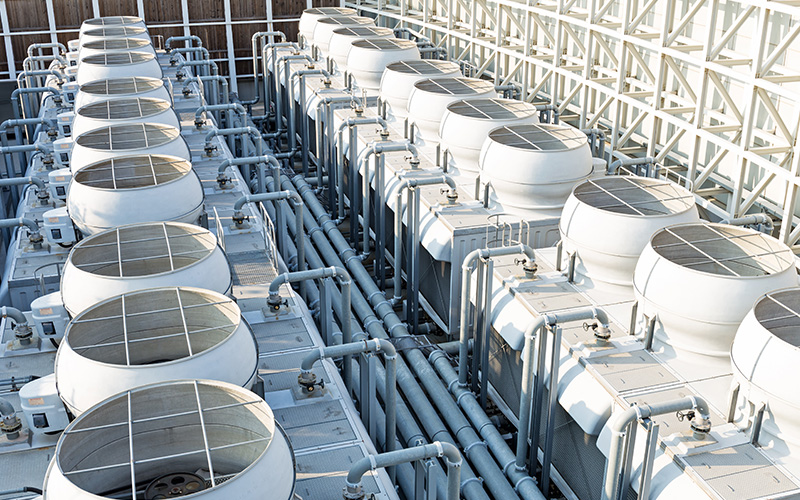
How Does Rapid Freezing Enhance Food Quality And Freshness In Practice
Rapid freezing drops a product’s temperature so fast that only small ice crystals form inside the cells. These tiny crystals don’t tear up cell walls like big ones do.
After thawing, the food stays firm and keeps its original texture. Smaller ice crystals also help with damlama kaybı—the liquid that escapes when food thaws.
This is a big deal for meats and seafood, where fluid loss can hurt yield and appearance. A quick, even temperature drop shortens the time water stays in a partly frozen state, which is when most cell rupture happens.
Rapid freezing helps preserve color and nutrients, too. Vegetables frozen quickly usually keep their chlorophyll better, so you get greener beans and brighter peas, even after months in the freezer.
The same fast temperature drop makes food safer. By quickly reaching below −18 °C, bacteria and enzymes pretty much stop in their tracks. For processors, that means longer shelf life and more consistent quality—no extra preservatives needed.
What Types Of Rapid Freezing Equipment Are Available And When Should You Use Each One
Different rapid freezing systems suit different products and production needs. The most common types are spiral IQF, tunnel, fluidized bedve tabak dondurucular.
Each has its own way of handling air flow, heat transfer, and space. Picking the right one depends on what you’re making and how much you need to freeze at once.
When Is A Spiral IQF Freezer The Best Choice For High-Capacity, Uniform Products
A spiral IQF freezer works by moving products on a continuous belt that winds upward inside a compact enclosure. This clever design creates a long freezing path in a tight footprint, so it fits right into operations where space is at a premium but output needs to stay high.
The spiral setup ensures each piece gets steady, even airflow. That helps the core and surface cool down at the same rate, which is honestly a big deal for some foods.
Since products travel on tiers, these freezers can handle a ton of food—sometimes several tons per hour, depending on the model and how fast the air moves. Stainless steel belts and variable-speed fans give operators the power to tweak residence time and temperature gradients as needed.
Bakeries, meat processors, and ready meal producers love spiral systems for freezing big batches evenly. They don’t squish or mess up the product’s shape or texture, as long as you keep product size and stacking pretty consistent.
When Should You Choose A Tunnel Freezer For Flexible Linear Production Lines
A tünel dondurucu moves food straight through a long, insulated enclosure. Cold air blows across the product, either in the same direction or against the flow, depending on how you set things up.
Since tunnel freezers are modular, you can fit them right into linear production lines for things like fish fillets or packaged meals. They’re built to handle all sorts of belt widths and lengths—20 to 40 meters is pretty normal.
High-capacity axial fans drop product temps from about +20 °C to –18 °C in minutes. Operators can adjust airflow ducts to match freezing rates to product thickness, which is handy when you’re switching between items.
That flexibility means you can run different products back-to-back with barely any downtime. The straight conveyor makes cleaning easier and helps connect with other equipment in the line.
When Is A Fluidized Bed (IQF) Freezer Ideal For Particulate Foods Like Peas Or Shrimp
A akışkan yataklı dondurucu is perfect for foods like peas, shrimp, or diced fruit. It suspends small items on a perforated stainless-steel belt, then blasts cold air up from below.
This strong upward airflow makes pieces float and separate, so nothing clumps together. Each bit freezes on its own, which is the whole point of individually quick frozen (IQF) products.
Because the pieces never stick, packaging and portioning go smoother. The trick is balancing bed depth, air speed, and temperature—usually around –35 °C to –40 °C—for fast surface freezing and even core cooling.
This method keeps natural shapes intact and cuts down on moisture loss. If you care about how your frozen veggies or shrimp look and handle, this is the way to go.
When Are Plate Freezers The Best Option For Blocks, Fillets, And Cartons
Plate freezers use flat, chilled aluminum plates that press right up against the product. This direct contact pulls heat out fast, especially for flat items like fish fillets, meat blocks, or boxed liquids.
The plates usually run at –35 °C to –45 °C and apply hydraulic pressure to boost thermal contact. Both sides of the food touch cold metal, so freezing happens fast and evenly.
Operators get shorter cycle times and use less energy per kilogram. Plate freezers work with trays, molds, or cartons, making them efficient for bulk or long-term storage.
Seafood processors especially rely on plate freezers to keep fillets thick and high-quality during frozen storage.
How Should You Configure Rapid Freezing Equipment To Maximize Food Quality
Operators really need to prep products with uniform thickness and consistent size before freezing. If food pieces vary too much, freezing rates get out of whack and texture suffers.
Leaving at least 5–10 millimeters of space between items lets cold air flow freely. That simple step prevents cold spots and uneven results.
Airflow control is crucial for forming the right kind of ice crystals. Blasting air at 10–12 meters per second across the surface freezes food quickly and creates small, uniform ice crystals.
Smaller crystals mean less cell damage, so veggies stay crisp and seafood keeps its firmness after thawing. That’s a big win for anyone who actually eats this stuff.
Managing temperature gradients is another must. Blast or spiral freezers often run between –30°C and –40°C, reaching core temps of –18°C in just minutes.
Rapid cooling cuts down on microbial activity and slows oxidation. Producers get longer shelf life and better color, which is what customers want to see.
Operators can tweak belt speed and residence time to match the product’s mass and moisture. Thicker foods need slower belts, while lighter stuff freezes faster and risks drying out if left too long.
It’s all about finding that sweet spot to keep freezing even and avoid waste. Don’t forget about defrosting cycles and frost control, either.
Automatic sensors or timed defrosts stop frost from building up and choking airflow. Combine that with a clean-in-place (CIP) system and smooth stainless-steel surfaces, and your equipment will run longer and keep food fresher.
How Can You Measure Food Quality Improvements After Rapid Freezing
Drip loss testing shows how much moisture leaks out after thawing. Less drip loss means cell walls stayed intact during freezing, which is what you want.
Rapid freezing forms smaller ice crystals, so there’s less damage and less water lost. That means better yield and texture, plain and simple.
Texture analysis checks things like compression, elasticity, and bite resistance. A texture analyzer records how much force it takes to compress or shear the food.
If rapidly frozen foods are firmer, that’s a good sign—less cell breakage, more natural feel after thawing and cooking. It’s not just about numbers; it’s about how the food actually tastes and chews.
Color and nutrient tests matter too. Colorimetric tools measure surface brightness and hue, while nutrient assays check vitamin C or protein levels.
Stable color means less oxidation, and steady nutrients mean the freezing didn’t wreck the food. For shoppers, that means meals look fresher and pack more nutrition.
Shelf-life studies track how fast spoilage and sensory changes happen over time. Rapid freezing keeps food out of the danger zone for microbes, so it tastes and stays safe longer in storage.
How Can You Choose The Right Rapid Freezing Equipment For Your Specific Products
Picking the right rapid freezing system depends on lots of factors. The product’s type, size, and moisture level all affect how fast and evenly it’ll freeze.
For delicate seafood, cryogenic freezers using liquid nitrogen at about −196 °C make sense. That super-fast chill gives smaller ice crystals and helps preserve texture.
For baked goods, mechanical spiral freezers are better. They let you freeze items continuously along a moving belt with controlled airflow.
Throughput matters, too. If you’re freezing over 2 tons per hour, a continuous tunnel system is probably your best bet. Smaller facilities might go for batch-style units to keep things flexible.
High-capacity systems keep product temperatures uniform across big volumes, which prevents spoilage and uneven freezing. That’s a pretty big deal if you’re running a busy operation.
Energy use and refrigerant compatibility play a role as well. If your plant already runs on ammonia, adding a mechanical system cuts costs. Cryogenic freezers install fast, but the ongoing cost of gases adds up.
Automation can boost efficiency. Automated conveyors and temperature sensors help keep product flow steady, so there’s less manual handling and less risk of temperature swings during transfer.
How Do Square Technology’s IQF Solutions Deliver Superior Food Quality And Freshness
Square Technology brings together precision engineering, custom production, and data-driven process control to help food keep its natural texture, color, and nutrition during freezing. Every system zeroes in on stable temperature management, consistent airflow, and reliable service to protect quality from start to finish.
What Engineering Advantages Do Our Freezers Offer
Square Technology builds Individual Quick Freezing (IQF) systems that freeze each food piece separately and fast. By circulating air at a steady speed and keeping temps below –35°C inside stainless-steel tunnels, the equipment blocks big ice crystals from forming and damaging food structure.
They use aluminum evaporators with high heat-exchange efficiency to cut freezing time. Thanks to this, moisture loss stays under 1%, so food keeps its weight and feels right after thawing.
The digital control interface with temperature-tracking sensors monitors every step. If the temperature drifts, the system tweaks airflow in real time, which saves energy and keeps freezing quality steady across all sorts of products.
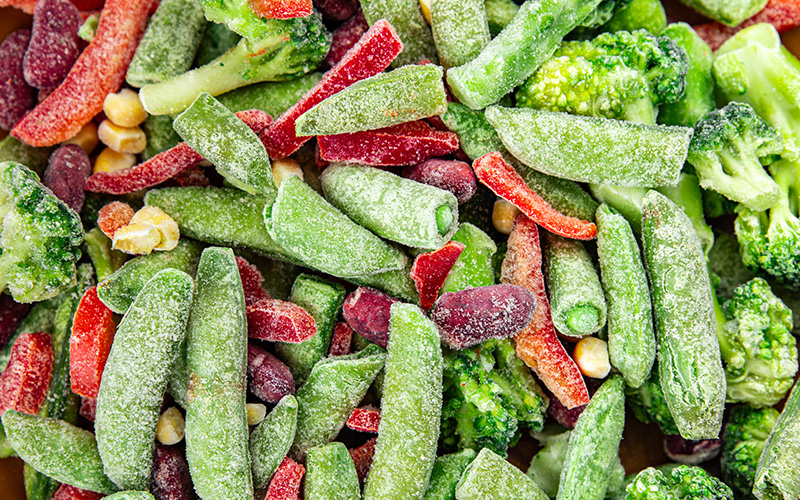
How Do Our After-Sales Support, Customization, And Testing Services Protect Product Quality
Square Technology keeps product quality in check long after installation. We do this with system commissioning, calibration, and routine inspections.
Each project starts with on-site testing. We check airflow speed, coil temperature, and defrost cycles to make sure everything meets food safety standards.
If users need changes, our engineers adjust conveyor length, fan setup, and sensor placement. We tweak these details based on each product’s shape and moisture content.
This customization really matters. If we get it wrong, you might see uneven freezing or surface frost—nobody wants that.
After installation, we offer remote monitoring and make spare parts available. This helps keep things running and limits downtime.
It also reduces product spoilage if a freezer acts up. Our training sessions help operators spot small performance issues before they mess with product texture or color.
How Can You Contact Square Technology To Design A Tailored Rapid Freezing Solution
If you’re looking for a custom IQF system, just reach out through our corporate website contact form or regional office network. Our technical team reviews your processing capacity, required temperature range, and plant layout.
We use that info to design the right tunnel or spiral freezers. It helps if you can share basic data like product type, target freezing rate, and batch size.
That way, our engineers can model airflow and cooling loads more accurately. For direct consultation, you can use email or phone support lines to connect with our specialists.
We’ll send you layout drawings, performance estimates, and project timelines. You’ll get a proposal that fits your energy limits and product-handling needs before we build anything.
FAQ
Which types of foods benefit the most from rapid freezing equipment?
Fruits, vegetables, seafood, and meat all get the biggest boost from rapid freezing. It forms smaller ice crystals than slow freezing, so foods don’t get as beat up at the cellular level.
That means when you thaw them, they keep their texture and flavor. Berries stay firm, and fish fillets don’t get those weird mushy patches.
Is rapid freezing a safe method for preserving nutrients in food?
Yes, it’s safe. Rapid freezing slows down enzyme and microbial activity, which helps keep nutrients locked in.
Take vitamin C for example—frozen veggies, if processed fast, hold onto almost as much as the fresh stuff. So you can pull out a bag months later and still get a lot of the nutrition you’d expect.
What is the difference between blast freezing and IQF rapid freezing?
Blast freezing pushes cold air around big batches, like trays of baked goods or slabs of meat. IQF—Individual Quick Freezing—freezes each piece on its own, usually on a conveyor, so nothing sticks together.
Blast freezing works for bulk storage. IQF is the go-to when you want single items to stay separate, like shrimp, peas, or berries.
So if you’re running a business, the choice really comes down to whether you’re dealing with big batches or you need everything to stay easy to portion out.
