
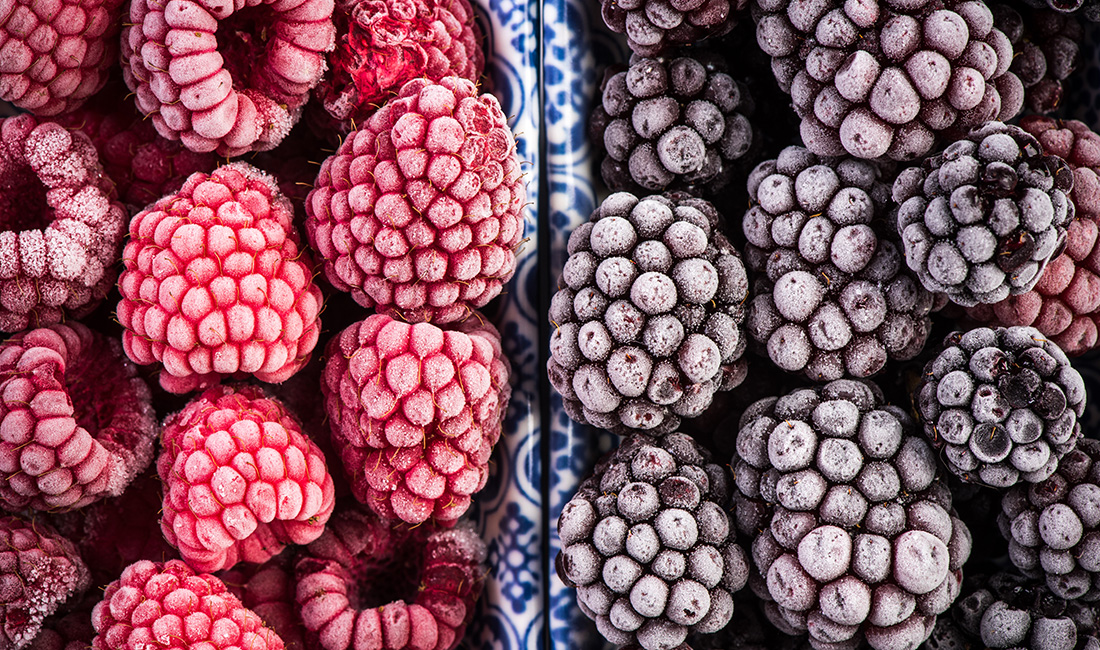
Choosing between IQF and blast freezing shapes how well frozen food keeps its texture, flavor, and yield. IQF gives you way more control over individual portions and keeps the product’s integrity intact—each piece freezes separately at around -40°C to -50°C, so you don’t get those big ice crystals or clumping. Blast freezing, on the other hand, chills larger batches with high-velocity cold air. It’s practical for bulk, but you lose out on portion control and precision.
Both methods aim to keep quality up while managing costs. IQF systems usually cost more upfront but can cut down on waste and improve consistency. Blast freezers are simpler and cheaper to set up, making them a good fit for places handling uniform or bulk items like poultry, dough, or seafood blocks.
What Are the Key Differences Between IQF and Blast Freezing?
Individual quick freezing (IQF) and blast freezing both drop food temperature fast, but their approach to airflow, product handling, and freezing speed sets them apart. These differences shape texture, yield, and energy use, so each method fits different production needs.
Definition of Individually Quick Frozen (IQF)
IQF freezes products piece by piece using high-speed cold air and vibrating or fluidized beds to keep items separate. Air temperatures usually range from –35°C to –45°C, allowing small foods like berries or shrimp to freeze in minutes.
Rapid freezing forms small ice crystals, preserving cell structure, texture, and color while reducing drip. Products stay separate, making portioning easier and more consistent.
IQF systems are complex, requiring precise airflow and conveyors to maintain consistent flow and support packaging automation, which increases energy use and maintenance needs.
Definition of Blast Freezing
Blast freezing cools whole trays or blocks of food with circulating air at –30°C to –40°C. Fans slowly lower the core temperature over hours, often causing items to freeze together, making it ideal for bulk products.
Slower freezing forms larger ice crystals, which can burst cell walls and increase moisture loss, leading to softer textures or more liquid after thawing. For large meat cuts or fish, this is usually acceptable.
Blast freezers are cheaper and simpler than IQF systems, handling a variety of products with minimal adjustments, making them cost-effective for storage or bulk exports.
Major Differences in Freezing Processes
The main difference comes down to freezing speed and airflow design.
| Factor | Individual Quick Freezing (IQF) | Blast Freezing |
| Air Temperature | –35°C to –45°C | –30°C to –40°C |
| Freezing Time | Minutes | Hours |
| Product Handling | Individual pieces | Bulk or trays |
| Ice Crystal Size | Small | Large |
| Product Texture After Thawing | Firm, natural | Softer, more drip loss |
IQF’s rapid air movement and product separation create even freezing. Each piece freezes on its own, locking in surface moisture fast. Blast freezing, with big air volumes swirling around static trays, gives you uneven cooling.
Operators get more uniform quality with IQF, though it eats up more energy per kilo. Blast freezing is slower but works for big volumes where you don’t need perfect visuals or exact portions.
Common Applications for Each Freezing Method
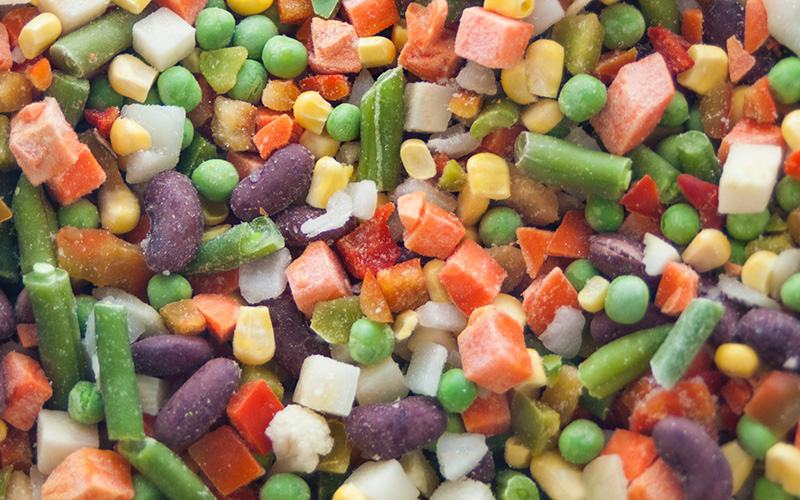
IQF is the go-to for small, high-turnover foods that need to look and act fresh. Think:
- Fruits and veggies (peas, diced carrots, berries)
- Seafood (shrimp, squid rings)
- Ready-to-cook snacks (fries, nuggets)
These products stay separate and keep their shape, so you get precise portions and easy packaging.
Blast freezing is better for bulk or big-format products like:
- Whole fish or meat cuts
- Prepared meals in trays
- Palletized or carton-packed goods
Food manufacturers often pick blast freezing for its flexibility and minimal equipment changes. Some use both—IQF for high-end retail, blast freezers for bulk storage—balancing quality with cost.
How Do IQF and Blast Freezing Impact Product Quality?
Freezing speed and ice formation shape how food looks, feels, and tastes once thawed. Airflow, product size, and moisture content all play a role in whether veggies stay crisp or meats dry out.
Effect on Texture, Color, and Taste
IQF freezes each item in minutes with high-velocity air below –35 °C, minimizing ice crystal damage. Diced meats and vegetables keep their shape and color, peas stay firm, and shrimp avoid a rubbery texture.
Blast freezing cools large batches slowly, producing bigger ice crystals that cause more drip loss and color fading, especially in lean meats and fruit.
IQF is best for small, uniform foods, while blast freezing works for larger cuts. Texture affects not only appearance but also cooking performance—less cell damage means less fluid loss during heating.
Ice Crystals Formation in Different Methods
Ice crystal size and distribution are key. IQF’s rapid freezing drops core temperature several degrees per minute, producing fine, even crystals mostly within cells, resulting in smoother surfaces and less dehydration.
Blast freezing is slower, allowing water to move before freezing. This forms larger crystals that break cell membranes, causing more leakage and mushy veggies or dry fish edges after thawing.
Some processors use cryogenic gases like liquid nitrogen or CO₂ in IQF tunnels, reaching –80 °C or lower to minimize crystal growth, typically for premium or export products due to high cost.
Nutrient Retention and Food Integrity
Both methods preserve nutrients if handled properly, but freezing speed affects losses. IQF’s rapid chill limits enzyme activity, retaining more vitamin C and folate in vegetables. Nutrient loss continues until the core reaches –18 °C.
Blast freezing is slower, allowing some oxidation and color fading in produce; meats can lose more water and minerals through drip. IQF foods often taste fresher because sugars and amino acids remain intact.
Proper packaging and storage are essential—temperature fluctuations can degrade nutrients in both methods. Keeping products cold, dry, and minimally handled ensures quality from plant to plate.
What Factors Affect Yield and Portion Control?
Yield and portion control come down to how evenly food freezes and whether pieces stay separate in storage. The freezing method—IQF or blast—directly impacts how much weight, shape, and structure you keep after thawing.
Product Separation and Clumping
IQF freezes each piece individually with high-velocity, low-temperature air (–40°C to –50°C), drying surface moisture and preventing ice bridges. Items stay separate, allowing accurate portioning without breaking clumps.
Blast freezing cools larger loads at higher air temps (–20°C to –40°C) with uneven airflow, causing pieces to touch and clump, often requiring mechanical separation and more handling.
Individual freezing ensures consistent portion weights and smoother packaging, helping control costs and inventory for products like frozen fruit or diced meat.
Yield Losses and Deformation Risks
Yield loss occurs when water moves to the surface and forms large ice crystals, breaking cell walls and causing drip. IQF minimizes this by freezing small amounts quickly, reducing drip and shrinkage.
Blast freezing cools bulk products more slowly, allowing crystals to grow in thick sections. Outer areas lose moisture, lowering recovered weight and increasing cost per kilogram.
Bulk freezing can also deform products—uneven airflow or stacking may dent soft items like bakery goods. IQF’s controlled spacing preserves shapes and portions during storage and shipping.
Which Freezing Method Is More Cost-Effective?
Cost-effectiveness depends on how each freezing method balances equipment price, energy, yield, and labor. The numbers change with scale and product type, so you have to look at where you’ll save the most long-term.
Equipment and Operational Costs
IQF systems need specialized conveyors, powerful fans, and tight temperature control. That bumps up capital costs—sometimes 20–40% higher than a basic blast freezer. The complexity comes from having to freeze each unit separately, which means more moving parts and automation.
Blast freezing uses simpler insulated chambers or tunnels. It’s cheaper to install and needs less maintenance. But the slower freezing can lead to 1–3% moisture loss, dropping your net product weight. Over big volumes, that shrinkage can eat into profits, even if the initial setup was cheap.
Bulk Freezing vs Individual Piece Processing
Blast freezing is best for bulk products like meat blocks, trays, or fillets that don’t require separation. Large cold rooms allow dense pallet stacking, cutting space and equipment costs.
IQF freezes each piece—peas, shrimp, diced fruit—individually with airflow or vibration to prevent sticking, easing packaging and portioning but lowering packing density and raising cost per kilogram.
For retail or export-grade products, IQF’s uniform, free-flowing quality justifies the higher cost. For bulk sales, where appearance and portioning matter less, blast freezing offers lower cost per ton by maximizing load.
Energy Consumption and Labor
IQF uses more power per hour due to fast, high-velocity airflow at –35°C to –40°C. Energy per kilogram may be higher, but shorter cycles and less drying help offset costs.
Blast freezers run longer with gentler airflow, keeping hourly energy lower, though total batch consumption can be similar. Labor differs: IQF is mostly automated, while blast freezers need manual loading.
IQF needs more supervision but less handling, whereas blast freezers require more staff for loading and defrosting. Despite higher energy use, IQF can control total costs when labor efficiency and product quality are priorities.
In Which Applications Is IQF or Blast Freezing the Preferred Choice?
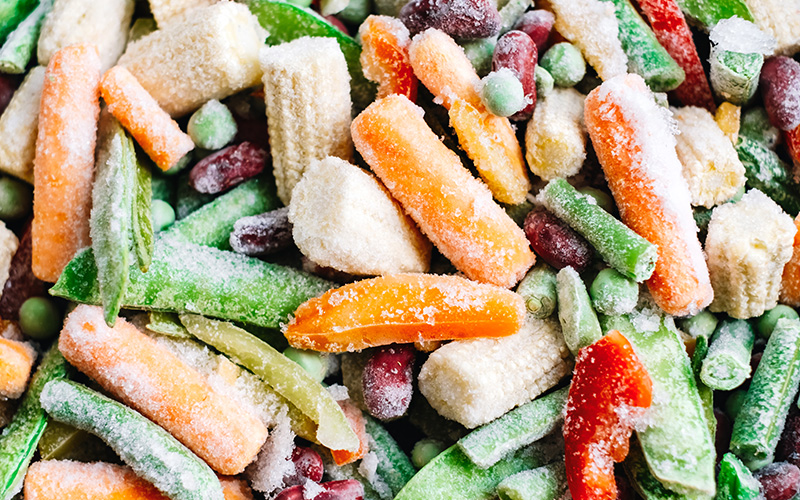
IQF is ideal for foods that must stay separate and maintain shape, like fruits, vegetables, and seafood. Blueberries or shrimp, for example, remain intact and resist clumping after thawing.
Snack and fast-food producers use IQF for items like fries or nuggets, ensuring consistent size and even cooking straight from frozen, reducing waste.
Blast freezing suits larger or bulk products—whole poultry, big fish, or ready-meal trays—freezing efficiently in large volumes where speed and cost matter more than appearance.
Some plants combine methods, IQF for small pieces and blast freezing for storage, balancing quality, yield, and cost.
Frequently Asked Questions
What distinguishes the quality outcomes between IQF and traditional blast freezing methods?
IQF freezes each item at –40°C to –50°C with controlled airflow, keeping ice crystals small. This reduces cell damage, so berries or shrimp stay closer to fresh in appearance and taste, allowing easy portioning and cooking without mushiness.
Blast freezing at –20°C to –40°C produces larger ice crystals, which can affect texture in delicate foods. For larger items like whole poultry or big meat cuts, the effect is minimal, as dense tissue spreads freezing stress.
How do yield rates compare between IQF and blast freezing techniques?
With IQF, each piece freezes individually, reducing moisture loss and drip during thawing. Recovery yields are typically 1–2% higher than bulk freezing, preserving more of the original product.
Blast freezing can create uneven temperatures in large batches, drying surfaces slightly and lowering total yield when repackaging or cooking in smaller portions.
Which freezing method offers more cost-effective results for commercial food processing?
Blast freezing requires less specialized equipment and works well for large, uniform batches. It can use less energy per kilogram at full load, and for high-volume meat or bakery operations, the lower upfront cost often offsets slower freezing.
IQF is more expensive to install but pays off when portion control and appearance matter. It prevents pieces from sticking and eases handling and packaging, reducing labor and waste. The choice depends on whether perfect product appearance and handling are essential.
